Too much green can make a room feel restless; the fix is usually shape, placement, and balance, not more plants.
When green starts feeling loud, the room is already telling you something
I walked into a home office last spring and saw the problem in five seconds: a lime-green accent wall, three leafy prints, a jade lamp, and a desk crowded with bamboo pens in a glass jar. The owner, a teacher named Mara, told me she felt oddly irritated every afternoon and could not explain why. The room looked “natural,” but it did not feel steady. That mismatch is where most people get stuck with the wood phase in the five elements: they add more green, more plants, more anything that looks alive, then wonder why the space feels busy instead of supportive.
Wood energy is not just about color. It is movement, upward growth, expansion, springtime pressure, and the sense that something is trying to push through. In the right dose, that feels fresh and motivating. In the wrong dose, it becomes agitation, impatience, even that slightly wired feeling you get when a room seems to be “doing too much.”
This is why green tones in sleeping spaces need a different approach than green in a study, dining area, or entry hall. The bedroom should soften wood; the office can use it more actively. Same element. Different job.
And this is where the popular advice goes sideways. People think wood means “add plants and paint one wall green.” That is decoration, not strategy. The method is to match the quality of growth you want with the right color, texture, shape, and amount of open space. Get that wrong, and even expensive decor can feel strangely tense.
The method: use wood to grow the room, not swallow it
When I assess wood-focused decor, I look at three things first: color temperature, vertical movement, and balance with the other elements already present. Wood loves greens, yes, but not only green. It also responds well to blue-green, soft teal, fresh leaf tones, and the natural color of unfinished or lightly stained wood. Those shades work because they suggest living growth without shouting.
Shape matters just as much. Tall bookshelves, slim floor lamps, vertical art, narrow mirrors, and column-like plants all encourage wood’s upward motion. That is useful when a room feels stuck or mentally dull. But if you already have strong vertical lines, adding more can make the room feel like it is reaching too hard. One striking example: a client’s dining room had a dark walnut table, six high-backed chairs, a tall fiddle-leaf fig, and a striped green rug. The room looked expensive. It also felt exhausting. We cut the vertical competition, softened the palette, and the room immediately breathed better.
For a fuller picture of how these choices fit into your home, I often point readers to room-by-room five-element balancing. That is where the real work happens. A wood-heavy living room can be wonderful if the kitchen across the hall is bright and fiery. A wood-heavy bedroom, on the other hand, can quietly wreck sleep if the whole space keeps “growing” when the body wants to rest.
Textures help you tune the signal. Rough wood grain, woven baskets, linen, and matte finishes keep wood grounded. Shiny lacquer, glossy painted surfaces, and mirrored accents make it more stimulating. I have seen one small change shift the mood of an entire room: a nurse in Seattle swapped a high-gloss emerald side table for an unfinished oak one, and within two weeks she said the room felt less “electrical” at night. Same color family. Very different result.
How to use wood element feng shui colors and decor without overdoing it
Start with the room’s purpose. If the room is for planning, studying, creating, or starting new projects, wood can be active. Use green as an accent rather than a flood. A single moss-green chair, a sage throw, or a painting with branches and open sky can do more than painting every wall green.
If the room is for rest, scale back the intensity. I would rather see muted celadon, dusty olive, or natural wood tones than bright spring green in a bedroom. The difference sounds minor on paper. In practice, it is huge. Bright green asks the nervous system to wake up; softer tones tell it to settle.
Then look at where the wood appears. The east and southeast sectors are the classic places where people often want to emphasize growth, health, family, and prosperity themes. Still, I never recommend treating a compass point like a permission slip to overdecorate. A pile of bamboo in one corner does not automatically “activate” anything. Sometimes it just creates a cluttered corner.
Plants deserve a reality check too. Healthy, well-kept plants can be excellent wood supports. Sick plants, dusty leaves, or cramped pots do the opposite. One apartment I visited had a gorgeous silver planter in the reading nook, but the plant inside was leaning, yellowing, and shedding onto the rug. The tenant had been blaming the room for her lack of focus. The room was not the problem. The neglected plant was broadcasting decay right in the middle of a growth corner.
If you want the decor to work, keep the composition simple. Choose one or two wood signals and let them lead. Maybe that is a tall plant, a green ceramic vase, and a light oak shelf. Maybe it is a soft botanical print, a linen curtain, and a single wooden stool. Too many gestures cancel each other out. Clean intent is stronger than decoration density.
Color also needs neighbors. Green paired with white feels crisp. Green with beige feels earthy. Green with black becomes more serious and can lean toward depth or mystery. Green with red can feel like a fight unless the balance is very controlled. If you are already using strong metal tones or lots of reflective surfaces, wood can be helpful as a softening layer; if the room is already packed with wood furniture, you may need cooler or more grounded elements elsewhere.
One thing surprises people: wood decor is not always about making a room look natural. Sometimes it is about giving a room a clear sense of direction. A hallway with too much blankness may need a vertical framed print or a narrow console in a warm wood tone. A study with scattered ideas may benefit from one upright plant and a green desk accessory, not a full botanical makeover. The goal is motion with purpose.
Common mistakes that weaken the effect
The first mistake is confusing “more green” with “more wood.” That is how people end up with a room that feels like a garden center checkout line. A better approach is to spread the wood signal through color, form, and material rather than stacking identical objects on top of each other. For readers who keep repeating the same styling errors, the sleep-related side of color choice is often where the issue becomes obvious first.
The second mistake is ignoring the room’s existing element mix. A wood-heavy bedroom with aggressive lighting, metal furniture, and glossy finishes can feel split in three directions. Learn to read the whole composition before adding another plant or pillow. If you need a broader framework for that, the cycle of the five elements will make the relationships much clearer.
FAQ
What colors count as wood element colors besides green?
Soft blue-green, teal, moss, olive, and natural wood tones all speak wood more quietly than bright grass green. I also use the word “wood” for colors that feel alive and growing rather than dusty or heavy. The finish matters too: matte usually reads more grounded than glossy.
Can I use wood decor in a bedroom without hurting sleep?
Yes, but keep it gentle. A bedroom can support wood with muted green bedding, one plant, or pale oak furniture, while avoiding high-contrast patterns and too many upright shapes. If the room already feels restless at night, reduce intensity before adding anything new.
Do artificial plants count?
Surprisingly, they can help visually, but they do not carry the same living movement as healthy real plants. I treat them as a decorative substitute, not a true energetic equivalent. If you use them, keep them clean and realistic, or they start looking like static clutter.
How do I know if my room has too much wood?
If the space feels overactive, crowded, or oddly impatient, that is often your clue. Too many vertical lines, too many plants, and too much green can make a room feel like it never rests. At that point, I usually add calmer tones, softer textures, or a grounding element to stop the upward push.
Mei Chen
Traditionally informed guidance • Cross-referenced with classical Chinese source texts
Five Elements analysis based on traditional Wuxing (五行) theory from the Shujing (書經).
Practitioner-Selected Tools for This Topic
Items our team has tested and found effective for the principles discussed above. Individual results may vary.
 -29%
-29%Karma and Luck March Birthstone Crystal Tree of Life, Aquamarine Gemstone Fen...
 -29%
-29%Karma and Luck July Birthstone Crystal Tree of Life, Ruby Gemstone Feng Shui ...
 -29%
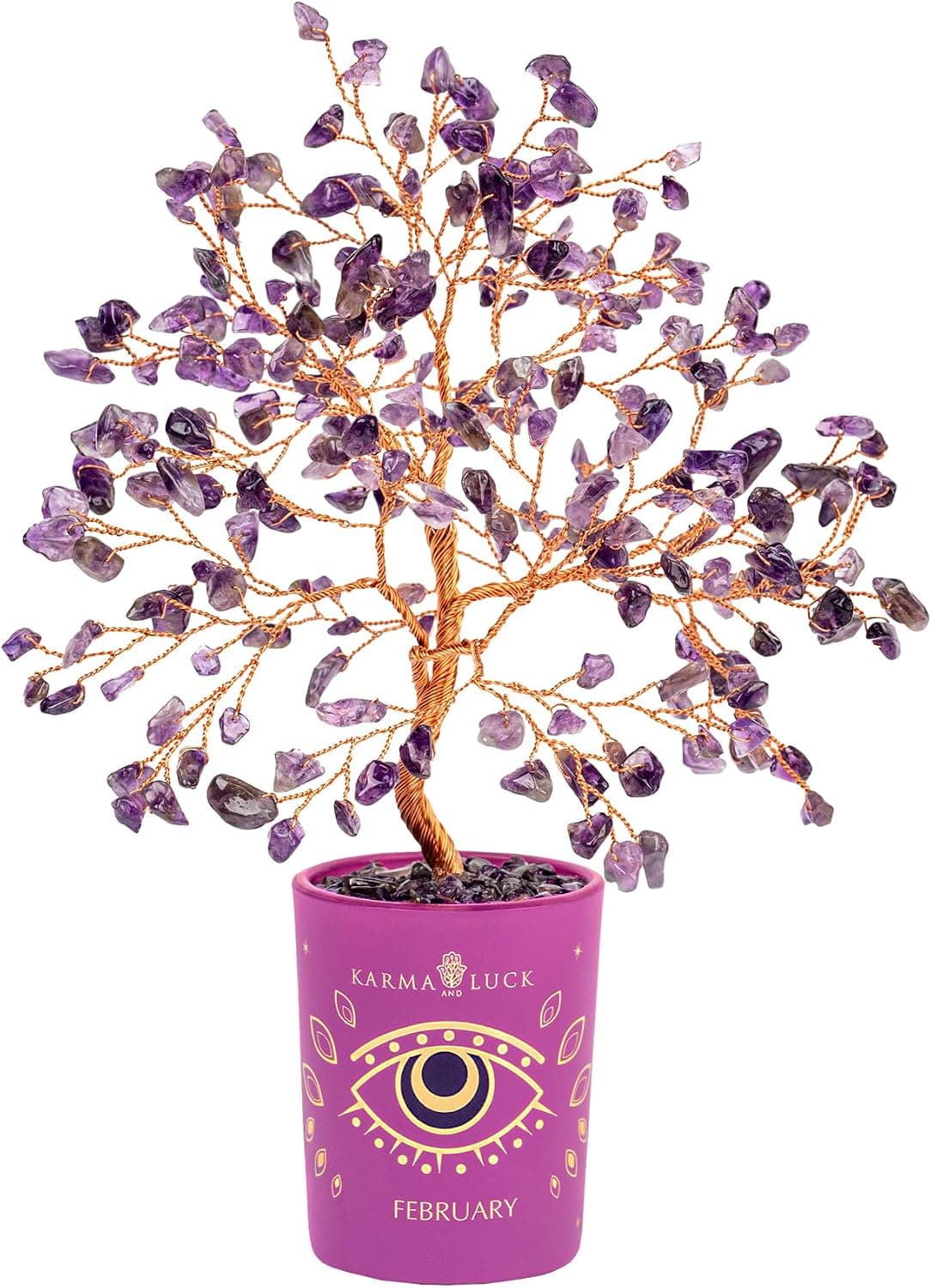
-29%Karma and Luck February Birthstone Crystal Tree of Life, Amethyst Gemstone Fe...
 -7%
-7%Woodstock Chimes Signature Collection, Crystal Tree of Life Chime, 19'' Decor...
As an Amazon Associate, we earn from qualifying purchases. We only recommend items our practitioners have personally tested.
Continue Your Journey
Explore these related guides to deepen your understanding:
Ready for Deeper Guidance?
Try our free I Ching reading for personalized wisdom, or explore our curated Feng Shui essentials.