
Your metal-and-water decor may look balanced in one room and fail at the doorway where the current breaks.
The Real Story Behind metal-water-element-home decor feng shui
The popular narrative around metal-water-element-home decor feng shui doesn't hold up under scrutiny. I watched it fail in a narrow hallway outside a navy-painted study: a brass bowl sat on a console, a glass lamp stood beside it, and every evening the couple paused there like they had hit an invisible seam. The room looked elegant. The house did not feel settled.
The reason lives at the boundary, not the object. A room is one field, but a doorway is a switch point, and once you understand that, the whole method stops looking decorative and starts looking mechanical. Metal sharpens, water spreads, and the threshold decides whether that spread becomes circulation or spillover.
That is why the usual advice feels incomplete. People place a chrome vase, a black ceramic tray, maybe a bowl of river stones, then wonder why the space still feels restless. They decorated the surface. They missed the handoff. Not even close.
The threshold acts like a pressure valve because movement changes there: feet slow, attention resets, sound shifts, and the mind decides whether to continue, retreat, or turn. If you place a reflective metal object directly on that seam, it can bounce visual energy back toward the entry route; if you place water imagery there without a clear container, the eye keeps sliding forward and never quite lands. I've seen this in a small apartment in Queens where a round silver mirror near the bedroom door made the hallway feel like a tunnel for three weeks until we moved it deeper inside the room, three feet from the jamb, and the owner said the space finally stopped feeling “on alert.”
How the boundary changes the effect
Start with the input condition: what crosses from one room to another. Sound, scent, light, and your own habits all move through a doorway before furniture does. That matters because metal belongs to definition and edge, while water belongs to flow and transfer. Put them at a boundary and you are not merely decorating; you are telling the body how to change state.
In a living room, a polished steel tray near the opening can help if the room needs clarity, because the surface collects loose visual pieces and gives the eye a stopping place. In a bedroom doorway, the same tray can feel like a signal that says “stay vigilant,” especially if it catches late-afternoon glare from a west window. One effect calms the room; the other keeps the nervous system half-raised.
Water symbols do something similar, but they need a container. A deep blue ceramic bowl, a framed river scene, or a dark glass object can support movement when placed where circulation already exists, such as the inner side of a hallway turn. Drop the same item right on the threshold and it can feel like the floor is giving way beneath the transition. This is why five elements work on more than symbolism; they alter how the eye, body, and habit move through space.
Some readers expect a neat rule here. There isn't one. The mechanism changes with door width, line of sight, and what the room is used for, which is why a polished bowl in a quiet study can support focus while the same piece by a front entrance can invite drift. Same material. Different job.
What happens in the transfer zone
The transfer zone is the first three to six feet beyond a doorway, and it deserves more respect than most people give it. That strip is where your attention chooses a room, and the room answers back. Place metal there and you define; place water there and you continue motion; place both together and you can create a controlled exchange, but only if the items do not compete for the same visual claim.
Here is the practical sequence I use. First, look at whether the doorway opens into a room that already feels tight, bright, or loud. Then decide whether the boundary needs more containment or more softness. A matte brass object can serve as a hinge if the area is too scattered, while a dark, low-sheen vessel can quiet a space that feels dry and overexposed. The material choice matters less than the job it is doing.
One fragment helps here: too much shine, and the edge keeps blinking. Too much flow, and the edge disappears. Wrong.
That edge problem shows up most often in homes with open-plan layouts, where the entrance, kitchen, and living area all bleed into one another. In those spaces, people pile water-friendly decor near the first visible table because it seems soothing, then complain that mail, keys, and half-finished errands migrate there. The reason is simple: the threshold never got a clear instruction, so everything arriving at the seam keeps lingering.
A specific case: the blue foyer that turned noisy
I remember a townhouse foyer in Brooklyn with a cobalt runner, a white lacquer bench, and a pair of nickel picture frames hung just inside the front door. The owner had been following online advice for weeks and had even added a glass vessel filled with pebbles because she wanted “more flow.” Instead, the entry started feeling jumpy. Packages were left half-open on the bench, the dog barked at every delivery, and she said she began avoiding the foyer after dark because the light bounced too hard off the frames.
We changed three things. The frames moved farther into the living room, where they could support a longer sight line. The glass vessel left the threshold and went onto a low shelf beside the sofa, where it could read as calm rather than exposed. Near the door itself, we placed a brushed metal dish with only one key ring in it, nothing else. Within two weeks the entry no longer felt like a staging area.
That result surprises people because they assume more objects equal more refinement. Not true. On a boundary, excess turns into hesitation. You feel it when you enter, set something down, then forget why you came into the room in the first place.
This is where a deeper understanding of the front door threshold pays off. The door is not just an opening; it is the first negotiation your home makes with motion. Handle that negotiation badly, and the rest of the house spends the day compensating.
How to place metal and water without creating drag
Keep metal close to structure and water away from interruption. That means a metal picture frame, bowl, or lamp base can sit comfortably on a sideboard that runs parallel to a wall, while water imagery works better one step farther in, where it can receive the room instead of catching every arrival at the seam. If a doorway sits across from a staircase, be even more careful, because energy already wants to move too quickly there.
Try this in a hallway or foyer: stand in the doorway and notice where your eyes land first. If they hit a reflective object immediately, move it back until the first impression becomes an invitation rather than a shove. If they slide through the room without stopping, add one grounded metal piece just inside the boundary to create a pause. That pause is doing the work.
For spaces with strong water imagery, the placement should feel like a reservoir, not a leak. A framed print of still water, a dark vase, or a basin-shaped object works better beside a wall than directly in the path of traffic. The mind reads walls as containment, and containment is what lets water support rest instead of scattering it.
Need a sharper diagnosis? Read the threshold problem behind wealth corner mistakes and you will see the same pattern: the cure often fails because the border was ignored. A corner is not isolated from the rest of the room; it gets fed by the way people enter, move, and exit.
I have seen this in offices too. A receptionist placed a black ceramic fountain on a table directly in the line between the hallway and the meeting room, and the first thing visitors did was glance at it, then keep walking without settling. Once we shifted it to the side wall and replaced the center spot with a simple steel clock, conversations lasted longer and people stopped hovering in the doorway. The object had not changed. The boundary had.
Common mistakes that start at the seam
One mistake is treating the threshold like dead space. People think, “It’s just the gap between rooms,” so they fill it with whatever fits. That feels efficient. What actually happens is congestion, because the boundary stops being a cue and starts becoming clutter.
Another mistake is pairing shiny metal with moving water imagery right at the entry. The combination can look polished in photos, but in use it often creates visual chatter. The eye keeps bouncing between the two, and the body never gets a clear instruction about whether to settle or move on. That can show up as disrupted sleep in nearby rooms, or as the sense that you are always walking into unfinished business.
People also overuse mirrors near transition points. A mirror inside the doorway can double light and make a small passage seem wider, sure, but it can also multiply motion so that every person passing through feels like a disturbance. In a narrow apartment corridor, that effect can lead to tension at home because everyone starts noticing everyone else’s comings and goings.
Then there is the habit of matching everything. Silver vase, chrome lamp, glass tray, black ceramic planter. Clean on paper. A bit much in practice. When every item announces the same theme, the threshold becomes louder instead of clearer, and the room loses the quiet distinction it needed.
One more: placing water pieces where they are visually cut off by a door swing. A ceramic bowl half-hidden behind the door edge reads as interrupted movement. The home senses that interruption, and you do too, every time the door clips the view. Small thing. Big drag.
If those patterns sound familiar, the fixes in the compass-angle article on five-element mistakes will make more sense because they show how a seemingly minor placement error changes the whole reading. And for a broader map of room relationships, keep mapping the house with the bagua instead of guessing from one corner at a time.
FAQ
Is conventional metal-water-element-home decor feng shui advice reliable? Often no, because most advice stops at objects and skips the threshold where the room changes state. A metal piece can look right in isolation and still fail if it sits where movement, glare, or traffic turn it into a barrier. The room tells you more than the checklist does.
Can metal and water be used together near a doorway? Yes, but only when one object clearly leads and the other supports. A brushed metal bowl beside a dark framed print can work if they sit off the direct path and leave the entrance visually calm. Put both in the line of travel and you get competition instead of cooperation.
What if the foyer is tiny? Then restraint matters even more. In a small entry, a single grounded metal item on a side surface and one water-related accent farther inside is usually enough. Tight spaces amplify mistakes, so cluttered thresholds show their effects fast.
Do I need to remove every reflective surface? No, and that would be clumsy advice. Reflection can help by brightening a dim passage or sharpening a blurred boundary, but it should not dominate the first step into a room. Think of it as punctuation, not the whole sentence.
Some homes reveal the issue immediately. You open the front door and feel a tiny hitch, like the house is deciding whether to let you in or keep you moving. That pause is the whole story, hanging there near the mat, waiting to be noticed.
Mei Chen
Traditionally informed guidance • Cross-referenced with classical Chinese source texts
Five Elements analysis based on traditional Wuxing (五行) theory from the Shujing (書經).
Practitioner-Selected Tools for This Topic
Items our team has tested and found effective for the principles discussed above. Individual results may vary.
 -20%
-20%7 Chakra Crystal Tree of Life – Handmade Healing Gemstone Bonsai for Positive...
 -50%
-50%Amethyst Crystal Tree, Healing Crystals And Gemstones, Crystal Gifts For Wome...
 -30%
-30%NARIBABU 7 Chakra Tree of Life, Crystal Tree, Crystals and Gemstones, Healing...
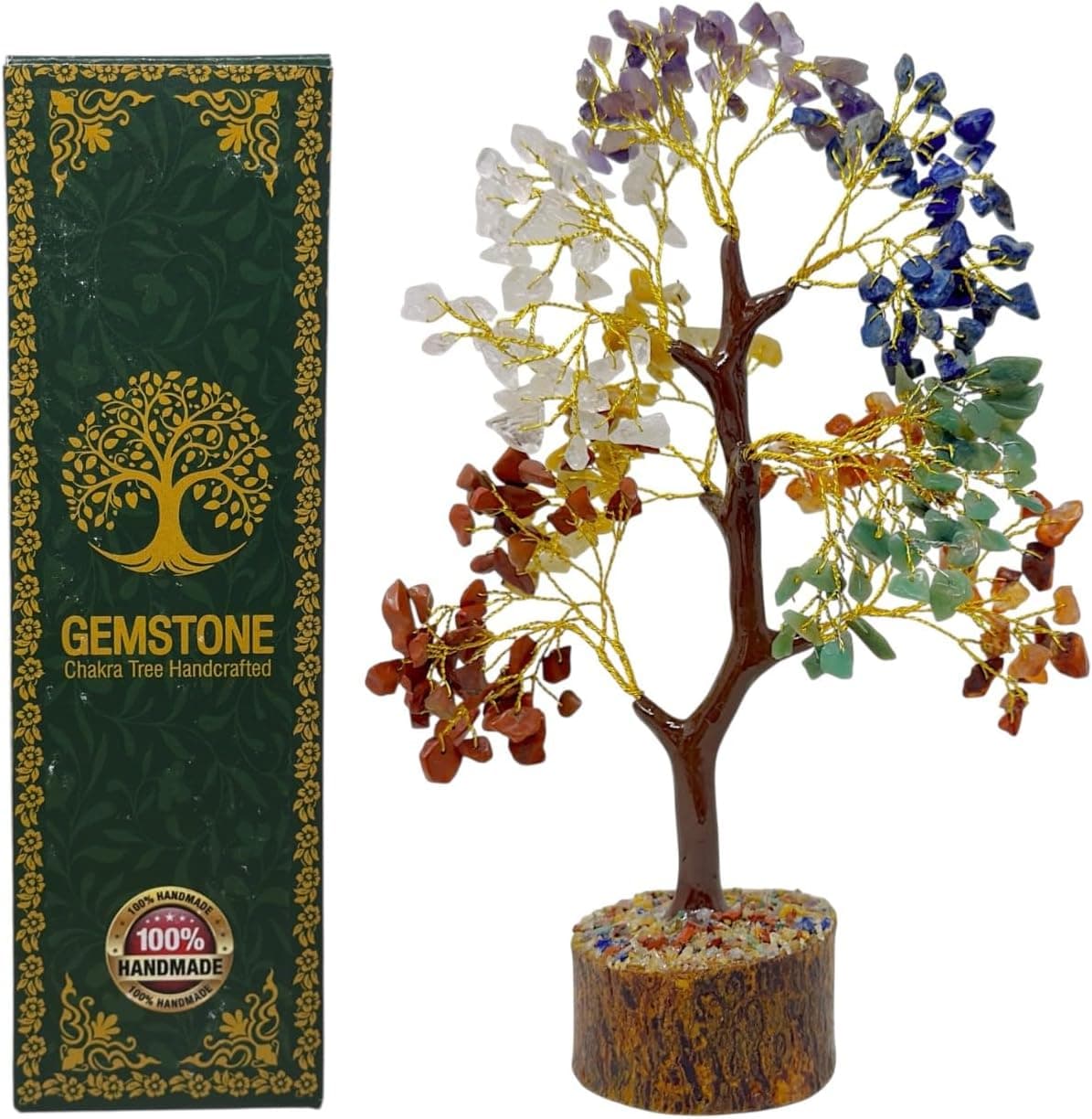 -5%
-5%RW REPLICA WAREHOUSE Gemstone Handcrafted Crystal Tree of Life, 7 Chakra Heal...
As an Amazon Associate, we earn from qualifying purchases. We only recommend items our practitioners have personally tested.
Continue Your Journey
Explore these related guides to deepen your understanding:
Ready for Deeper Guidance?
Try our free I Ching reading for personalized wisdom, or explore our curated Feng Shui essentials.