A health reading works best when it turns panic into a usable pattern: rest, pace, recover, and know when to seek help.
When you ask the I Ching about health, what are you really asking?
You are usually asking, “What is this illness or fatigue trying to tell me, and how should I move through it?” That is the better question, because an I Ching reading for health is not a substitute for diagnosis. It is a way to see the pattern around your symptoms so you can respond with better timing, less panic, and more sense.
A person may cast for answers after three broken nights, after a fever that leaves the room feeling too bright, or after a lingering weakness that makes even the stairs feel rude. The book often points not to a label but to a condition of movement: where things are congested, where the system is depleted, and where recovery would begin if life were made simpler. That is the practical use of an first reading with a practical eye.
Start with a question about process. Ask what supports recovery, what drains it, and what this phase asks of you. If the answer points toward sleep, smaller obligations, or a quieter schedule, take that seriously. If symptoms are sudden, severe, or worsening, set the book aside and seek medical care first.
Why people expect a health reading to name the problem
People often come to the oracle wanting the kind of certainty medicine can sometimes provide: a name for the condition, a forecast, or a date when relief will begin. That expectation is understandable because uncertainty is frightening. When the body feels unreliable, the mind reaches for a label that can contain the fear.
But that is also why the reading can disappoint. The I Ching is not built to identify pathology in a clinical sense. It does not inspect tissue, measure inflammation, or test for infection. It works by showing relationships: what is pressuring the system, what is being overused, what is being neglected, and what kind of response would restore balance. In other words, it answers the question behind the question.
Picture a house with one narrow hallway. The trouble may not be the door itself. The trouble may be that too much is being pushed through at once. Sleep debt, constant noise, poor meals, and long hours at a screen can all crowd the passage. The body answers with tension, a shallow breath, a tight jaw, or the dull heaviness that makes ordinary tasks feel oversized.
The disappointment comes from asking the wrong kind of question. Certainty feels safer than ambiguity, so people try to force the reading into a verdict. The oracle answers in another register. It shows the shape of the moment so you can stop fighting shadows.
Health questions are often about rhythm, not revelation.
What the I Ching is actually showing when health is the subject
The method becomes clearer once you stop expecting a fixed answer. A concern about the body enters the casting. The question is framed around care, pacing, nourishment, or rest. The hexagram describes the present pattern. The changing lines show what is shifting inside it. What comes out is a decision, not a diagnosis.
That matters because health is seasonal in the broadest sense. A person can be strong and still need retreat. Another can be tired and still be rebuilding. The point is not to sort experience into good or bad, but to notice what phase is active.
If the pattern suggests contraction, that may simply mean less stimulation, fewer demands, and a narrower day. If it suggests opening, it may be time to answer messages, take a short walk, or re-enter ordinary life in stages. Fit is the aim. Drama is usually a distraction.
The reading is also showing a mechanism, not just a mood. If energy feels blocked, the cause may be too much input, too little recovery, or a mismatch between effort and capacity. If the lines show loosening, that can mean the system is no longer bracing as hard. If they show hardening, the body may still be protecting itself because the pace, environment, or emotional load has not changed enough. That is why the same symptom can call for very different responses depending on the pattern around it.
The trigram layer of the I Ching helps here because it shows how larger conditions are made from smaller forces. Inward and outward. Yielding and firm. Rising and settling. Once you see that, health becomes easier to read as movement.
How the tradition moved from ritual consultation into daily care
The Book of Changes began in formal settings, but its language has always been portable. It crossed from courtly consultation into kitchens, bedrooms, and the private space where people make sense of strain. That travel makes sense. When the body feels uncertain, people look for a method that can read timing without pretending to replace medicine.
Think of someone recovering from a cold that has left the chest heavy and the appetite small. The reading does not need to promise a date on the calendar. It may point toward proportion instead: lighter meals, shorter days, reduced commitments, and fewer decisions. A structure stands better when the load is spread out.
Or imagine a north-facing bedroom that stays cold before dawn, while a person lies awake with the shoulders raised and the teeth clenched. The answer may not be “nothing is wrong.” It may be that the system has gone into a guarded state. That calls for less stimulation, warmer light, and a slower return to activity later in the day.
The long history of the Book of Changes matters because it explains why this language still works. Human beings keep living through cycles of effort, depletion, repair, and return.
How to ask a health question without feeding fear
Ask what supports you, not what condemns you. “What helps my recovery this week?” will take you somewhere useful. “How bad is this?” usually does the opposite. Ask about rhythm. Ask what to conserve and what to reopen. Ask where you are overextending.
For chronic fatigue, the best question is often not whether energy will magically come back. Ask where the day breaks down. Ask what drains you before noon, what keeps you from collapsing by evening, and what rest you keep postponing because you think you should be tougher. The reading may show that the energy is not gone. It is scattered.
That answer is hard to hear because it removes the fantasy of a single dramatic cure. It asks for honesty about late nights, skipped meals, nervous overcommitment, and the habit of saying yes when the body is already saying no.
If you are dealing with chest pressure, fainting, breathing difficulty, sudden neurological symptoms, severe pain, or a fast decline, do not start with divination. Use medical care immediately. The oracle can wait.
What changing lines say about strain, recovery, and energy
Changing lines are where the reading starts to move. In health work, they often show whether strain is loosening, resistance is hardening, or a different response is becoming available. A line that shifts toward softness can feel like the shoulders dropping after days of bracing. A line that hardens can warn that the body is still on guard because the pace has not changed.
Hexagram 11, Peace is a good image for recovery because it is not flashy. It is the quiet return of balance. Sleep steadies. Breathing deepens. The day stops pressing from both ends. That kind of change is real, even when it arrives without fireworks.
When someone wants to know whether health is returning, the useful question is not whether everything changed at once. Ask whether the system is easier to live inside. Are meals less hard to finish? Is the room less harsh? Does the body want a short walk instead of collapse? Those are signs of circulation returning.
Hexagram 2, The Receptive teaches another lesson that people resist. Receive care. Reduce force. Let support do part of the work. That is difficult for anyone who wants to muscle through illness, but recovery often begins when stubbornness gives way.
Where health readings go off track
The first error is treating the book as if it must prove what the body already knows. The second is reading every difficult line as a warning of disaster. The third is ignoring ordinary factors like hydration, sleep, food, stress, and professional medical advice. The I Ching sharpens judgment, but it does not replace it.
Another problem is making the question too abstract. A body does not live in theory. It lives in a room, under a lamp, next to a phone, inside a schedule. If a person sits in a bright kitchen with a loud refrigerator, a blue-white screen, and a half-finished mug of tea, that environment is already part of the reading. Health is shaped by thresholds and habits as much as by symptoms.
One reader once described low-grade exhaustion that had become a daily drag. The room was painted stark white. The blinds were raised before sunrise. Work continued under a sharp lamp late into the evening. The reading suggested restraint and softening, and the practical response was plain: warmer light, an earlier wind-down, and fewer demands at night. The body improved because the space stopped behaving like an extra source of strain.
The discipline used in money questions applies here too. Ask what preserves resources, not what guarantees a windfall. The body has its own economy.
Do not confuse intensity with clarity.
How to read a health hexagram without turning it into a verdict
Begin with proportion. Does the reading suggest excess, shortage, blockage, or rebuilding? Then match the scale of your response to that pattern. If the system looks depleted, do not answer with ambition. Reduce stimulation, eat more simply, and tighten the edges of the day. If the pattern points to recovery, do not rush it. Let the day open gradually.
Next, look for the threshold. Where does energy enter, and where does it leak away? The body is not a machine with one broken part. It is more like a house with passages. A good reading tells you whether the doorway is too narrow, one room is overfull, or the back corridor has finally begun to receive some light.
Then ask about time. What belongs to this phase? A period of stress accumulation needs subtraction. A period of convalescence needs gentleness. A period of returning strength can take more effort, but only if the load is distributed with care. That is the practical heart of the method.
So yes, an i ching reading for health can be genuinely useful. Not because it names disease, and not because it hands out certainty, but because it teaches you how to meet a body in motion and make wiser choices about rest, pacing, and care.
FAQ
Can the I Ching tell me what illness I have?
No. It can point to patterns of strain, recovery, or imbalance, but it should not be used to identify a medical condition. If symptoms are serious or ongoing, get checked by a clinician.
What should I ask if I feel run-down but don’t know why?
Ask, “What is draining me right now?” or “What would help this week?” Those questions usually produce a more usable answer than trying to name the problem before you have evidence.
How do I use a reading for stress-related symptoms?
Treat the answer as guidance for rhythm. If the reading points to pressure or crowding, scale back. If it points to recovery, protect your sleep, meals, and quiet time so the pattern can actually change.
Is it okay to ask about burnout?
Yes, and often that is one of the best uses of the book. Burnout lives in schedule, environment, and depletion, so the reading can help you see where the load is too heavy.
What if the answer makes me anxious?
Pause. Rephrase the question around action instead of outcome. If you still feel alarmed, step away and check whether your body needs medical attention, not more symbolism.
Can I use the I Ching while I’m seeing a doctor?
Yes. That is usually the most sensible way to use it. Let medical care handle the body, and let the reading help you notice timing, habits, and the quality of your response.
David Liu
Traditionally informed guidance • Cross-referenced with classical Chinese source texts
Interpretations cross-referenced with the Zhouyi (周易) and Wilhelm/Baynes translation.
Practitioner-Selected Tools for This Topic
Items our team has tested and found effective for the principles discussed above. Individual results may vary.
 -20%
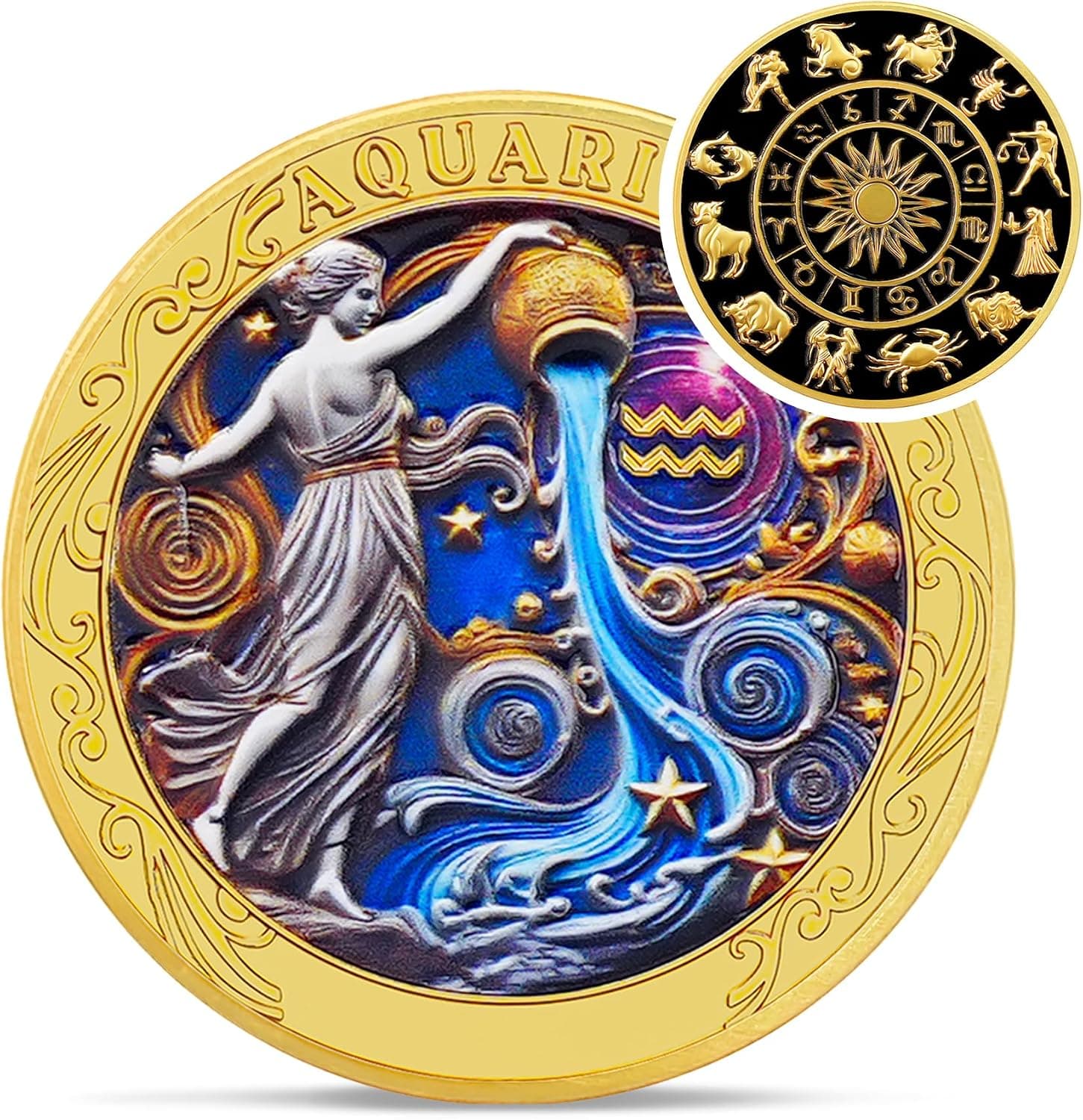
-20%Aquarius 12 Zodiac Challenge Coin - Twelve Constellations Aquarius Protective...
 -29%
-29%Karma and Luck March Birthstone Crystal Tree of Life, Aquamarine Gemstone Fen...
 -29%
-29%Karma and Luck July Birthstone Crystal Tree of Life, Ruby Gemstone Feng Shui ...
 -29%
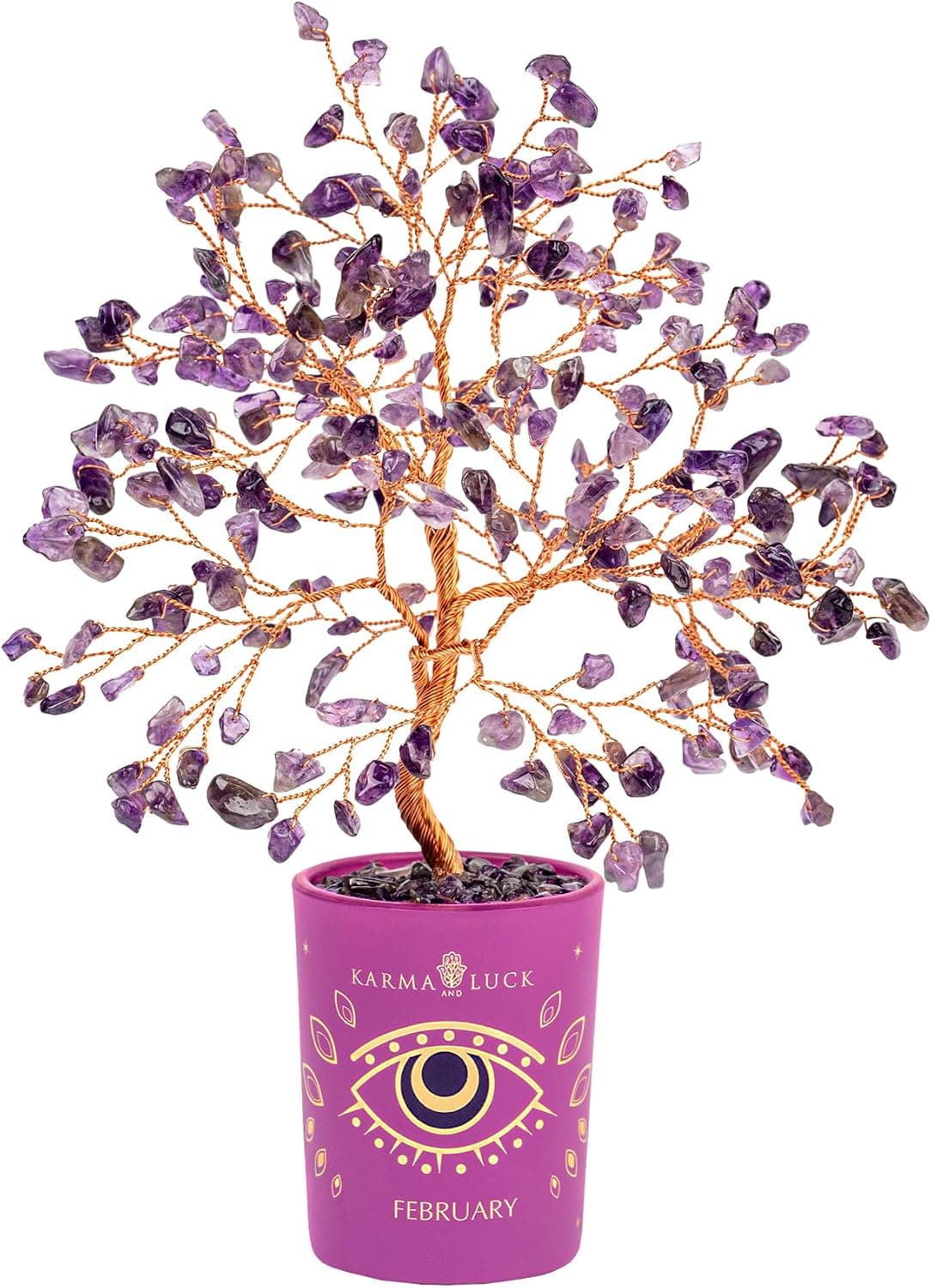
-29%Karma and Luck February Birthstone Crystal Tree of Life, Amethyst Gemstone Fe...
As an Amazon Associate, we earn from qualifying purchases. We only recommend items our practitioners have personally tested.
Continue Your Journey
Explore these related guides to deepen your understanding:

The I Ching Doesn't Answer Lazy Questions — Here's What to Ask Instead
8 min readConfucian Commentary Turns the I Ching Into a Moral Floor Plan
9 min readBroken Lines, Solid Lines, and the Real Yin-Yang Logic of the I Ching
11 min readThe Wilhelm I Ching Feels Deep Because It Slows Your Reading
11 min readReady for Deeper Guidance?
Try our free I Ching reading for personalized wisdom, or explore our curated Feng Shui essentials.