A good I Ching journal does more than store casts; it exposes the loop between question, mood, and outcome.
How do you make an I Ching journal actually useful?
Record the question, your state of mind, the cast, and what happened afterward. That is what turns a notebook from a pile of old readings into a working tool. If you only write the hexagram number, the page goes dead fast.
A reader may cast in a north-facing bedroom with a mind full of deadlines, jot down one line of interpretation, and shut the book. A week later, the entry is almost useless. But when the same reader notes the tension in the body, the exact wording of the question, and the choice made after the reading, the page starts to breathe again.
That is the real work of daily I Ching routine: not collecting symbols, but preserving the conditions around them.
Think of the journal as a second thread running beside the oracle. One thread is the cast itself. The other is the weather around the cast. If you keep both, pattern recognition becomes possible.
First memory. Then meaning.
Why a bare hexagram list stops teaching you
Many people treat a reading like a receipt. They write it down, glance at it later, and assume the lesson is in the symbol alone. That sounds tidy. It is also why the notebook fills up without becoming wiser.
The problem is hindsight. Once the outcome arrives, the mind edits the story so it looks cleaner than it was. The journal should interrupt that habit. Write the context before the cast, not after the result has started to color it.
A page with only “24 changing to 2” and a few copied lines does not give you much to work with. It stores data, yes, but not the human conditions that made the data meaningful. Without the situation, the emotion, and the action that followed, the hexagram becomes a label instead of a lesson. You can remember what it was called, but you cannot see why it mattered.
This is also why bare lists feel impressive for a while and then stop teaching. They create the illusion of accumulation without comparison. You have many entries, but no way to tell whether the same mood, question type, or decision pattern keeps returning. Once that happens, the journal can no longer correct you; it can only confirm that you consulted it.
Your first reading matters less than your first reliable way of recording it.
One sentence can save a whole month of confusion.
What belongs in the entry, and when?
Use the same structure each time so the habit becomes automatic. The body likes sequence. So does the mind.
Before the cast, note the date, time, question, and a short description of the situation. Add one line for emotional weather. “Rushed.” “Defensive.” “Quiet.” “Hopeful but unsure.” That one line often explains more than a long paragraph of interpretation because emotion narrows attention: when you are tense, you tend to ask tighter, more self-protective questions; when you are calm, you are more likely to notice options you would otherwise miss.
During the cast, write the hexagram, changing lines, and any phrase that hits you immediately. Do not force a polished reading right away. Leave room for later notes, marks, or corrections. The point is to capture the first contact before memory starts refining it into a neat story.
After the cast, record your first response in plain language. If the answer felt narrow, say so. If it felt supportive, say that too. A truthful page can hold uncertainty. Then add the immediate next step, even if it is small: wait, ask again tomorrow, make the call, gather more facts, or do nothing for now. That action note is what lets you compare the reading with real behavior later.
Then stop. Let the entry remain unfinished until later review.
A paper notebook makes this easier because the hand moves slower than the thought. A digital file can do the same thing if the layout is simple and visible.
How does the journal become a feedback loop?
The moment you review your entries, the journal stops being a record and starts becoming a mirror. A question, an interpretation, an action, and a result begin to connect. That connection is where learning happens.
There is a clear shift here. You are no longer asking only, “What does this mean?” You are also asking, “What kind of question did I bring, and what did I do with the answer?”
In that sense, an entry is not a verdict. It is a test of attention.
This is why the pages matter even when the reading seems simple. A vague question tends to produce vague notes. A sharper question usually produces cleaner reflection. Over time, the journal teaches the questioner how to ask.
If you want a wider frame, the difference between the Tao Te Ching and the I Ching becomes easier to feel on the page. One gives principle. The other keeps returning to the moment of choice.
What patterns show up after a few weeks?
Weekly review often reveals the first surprises. You may notice that yes-or-no questions produce neat-looking entries but very little usable guidance. Situation-based questions usually give you more to examine because they contain movement, tension, and context.
money questions in the I Ching become clearer when the entry names the real decision. “Should I buy this now?” is thinner than “What is the condition of this purchase, and what needs attention before I commit?” The second version gives the journal something concrete to track.
After a month or two, another layer appears. The same emotional state may show up before rushed decisions. Tight jaw. Short question. A need to be done with the matter immediately. Once you can see that, the notebook starts pointing to the pattern underneath the event.
That is where the practice becomes honest.
Seasonal review goes deeper still. Open several pages at once and look for repeated hexagrams, repeated line changes, or repeated emotional notes. A symbol that once looked random may begin to appear as part of a cycle. The older entries stop looking like isolated moments and start reading like a trail.
How do you keep the journal from turning into a story you prefer?
Separate observation from interpretation. Write what happened first, then write what you think it means. Keep those sections visually distinct.
If you blend them, the mind quietly smooths over the rough edges and calls the result insight.
This matters because memory prefers drama. A strong hit gets remembered. Six unclear misses get forgotten. A good journal refuses that trick by keeping perception, emotion, and action in the same frame.
The safest time to be careful is after a reading seems to have “worked.” A result that came true does not automatically prove the interpretation was clean. Sometimes the better lesson is that the question itself needed work.
using the I Ching in modern life asks for that kind of discipline. The page should be examinable, not decorative.
If you already know the answer you want, write that down too. Honesty there is worth more than a polished explanation later.
Paper or digital, which one supports the habit?
Paper is better for immediacy. You can feel the repetition of the work in your hands. Pages stack up, margins fill, and the notebook develops a visible history. That physical trail helps memory.
Digital journaling is better for search. If you want to find every entry about timing, a repeated line, or a specific kind of question, a file can do that in seconds. It is also easier to keep the same template every time.
The better system is the one you will use when you are tired, distracted, or in a hurry. A beautiful method that collapses on a busy evening is weaker than a plain one that survives ordinary life.
Many readers use both. Paper for the cast. Digital for the monthly review.
If order matters to you, the King Wen sequence is worth studying alongside the journal. Sequence changes meaning. So does layout.
A template that does not wear out
Keep the entry short enough that you can finish it before self-editing begins. That is the whole trick.
Use this order: question, context, emotion, cast, first impression, action taken, later result. Nothing fancy. Nothing ornamental. A repeated structure makes the work easier to return to, especially on days when the mind resists the page.
For review, add four prompts: What emotion keeps returning? What kind of question works best? What action followed the reading? What did I miss at the time?
That is enough to turn scattered notes into a learning system.
Not every page needs insight. Every page needs accuracy.
FAQ
How often should I review my I Ching journal?
Once a week is usually enough to catch small repetitions without getting lost in them. If you like bigger arcs, look back once a month as well. A seasonal review is useful when you want to see whether the same issue keeps returning in different forms.
My entries feel thin. Am I doing it wrong?
Probably not. Thin entries are common at the beginning. Keep the format steady and write the facts of the situation first. Depth usually arrives after the habit is already in place.
Should I write long interpretations right away?
Usually no. Short notes are better at the moment of the cast because they preserve the raw impression. You can expand later when the outcome and the context have had time to settle.
Can one notebook hold everything?
Yes, if you keep the sections clear. Some people prefer one notebook just for casts so the history is easy to see. Others keep a digital file with separate pages for readings and reviews. Either way works if you stay consistent.
What if the same theme keeps appearing?
That is often the point of the practice. Repeated themes usually point to an underlying pattern, not just a series of separate events. Timing, hesitation, fear, and attachment often hide underneath the surface question.
What is the biggest mistake to avoid?
Leaving out your own state of mind. If you do not record the mood, the question, and the action together, the reading becomes hard to learn from later. Once those pieces are visible on the page, even imperfect casts can teach you something real.
David Liu
Traditionally informed guidance • Cross-referenced with classical Chinese source texts
Interpretations cross-referenced with the Zhouyi (周易) and Wilhelm/Baynes translation.
Practitioner-Selected Tools for This Topic
Items our team has tested and found effective for the principles discussed above. Individual results may vary.
 -20%
-20%Aquarius 12 Zodiac Challenge Coin - Twelve Constellations Aquarius Protective...
 -29%
-29%Karma and Luck March Birthstone Crystal Tree of Life, Aquamarine Gemstone Fen...
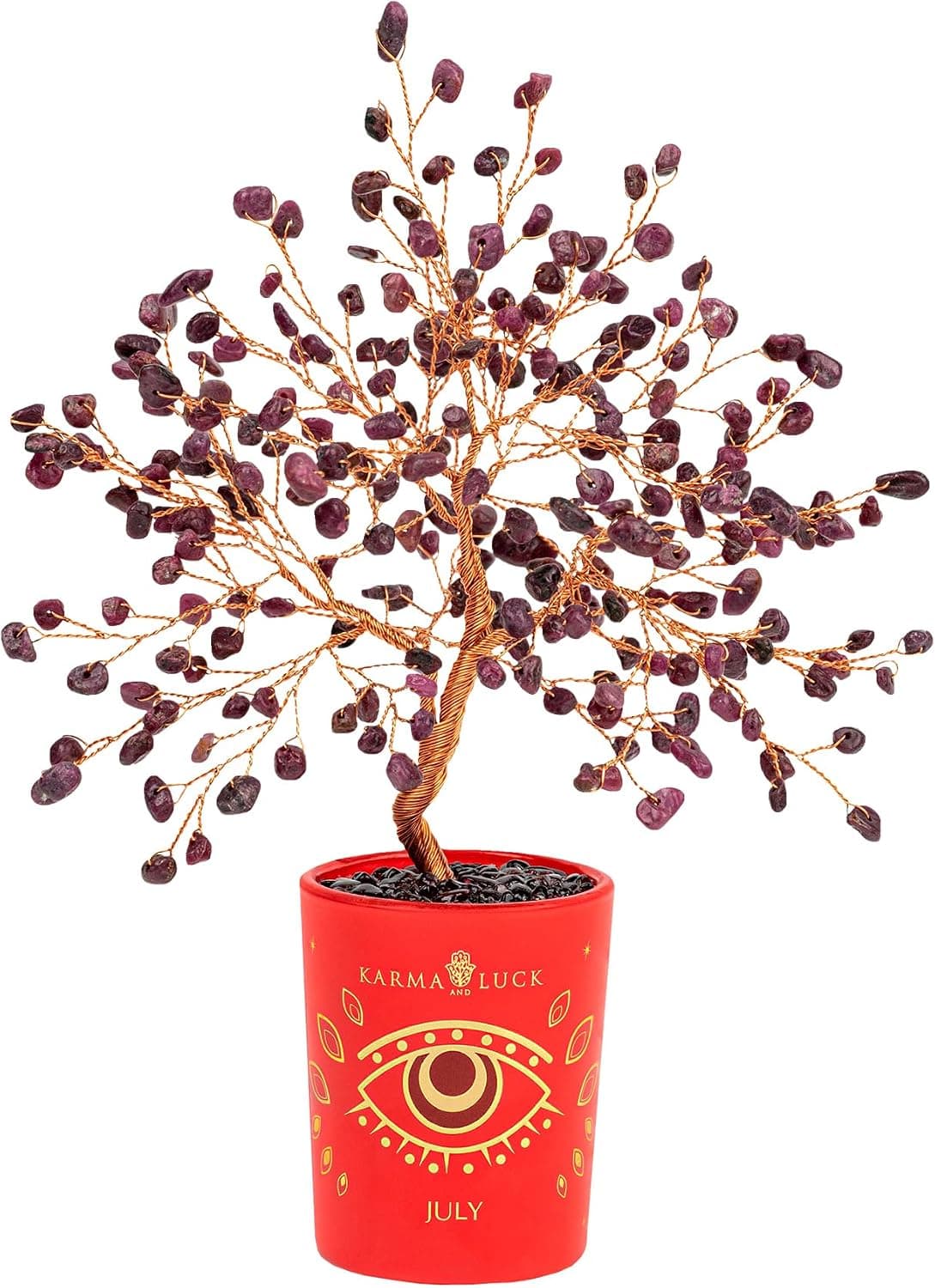 -29%
-29%Karma and Luck July Birthstone Crystal Tree of Life, Ruby Gemstone Feng Shui ...
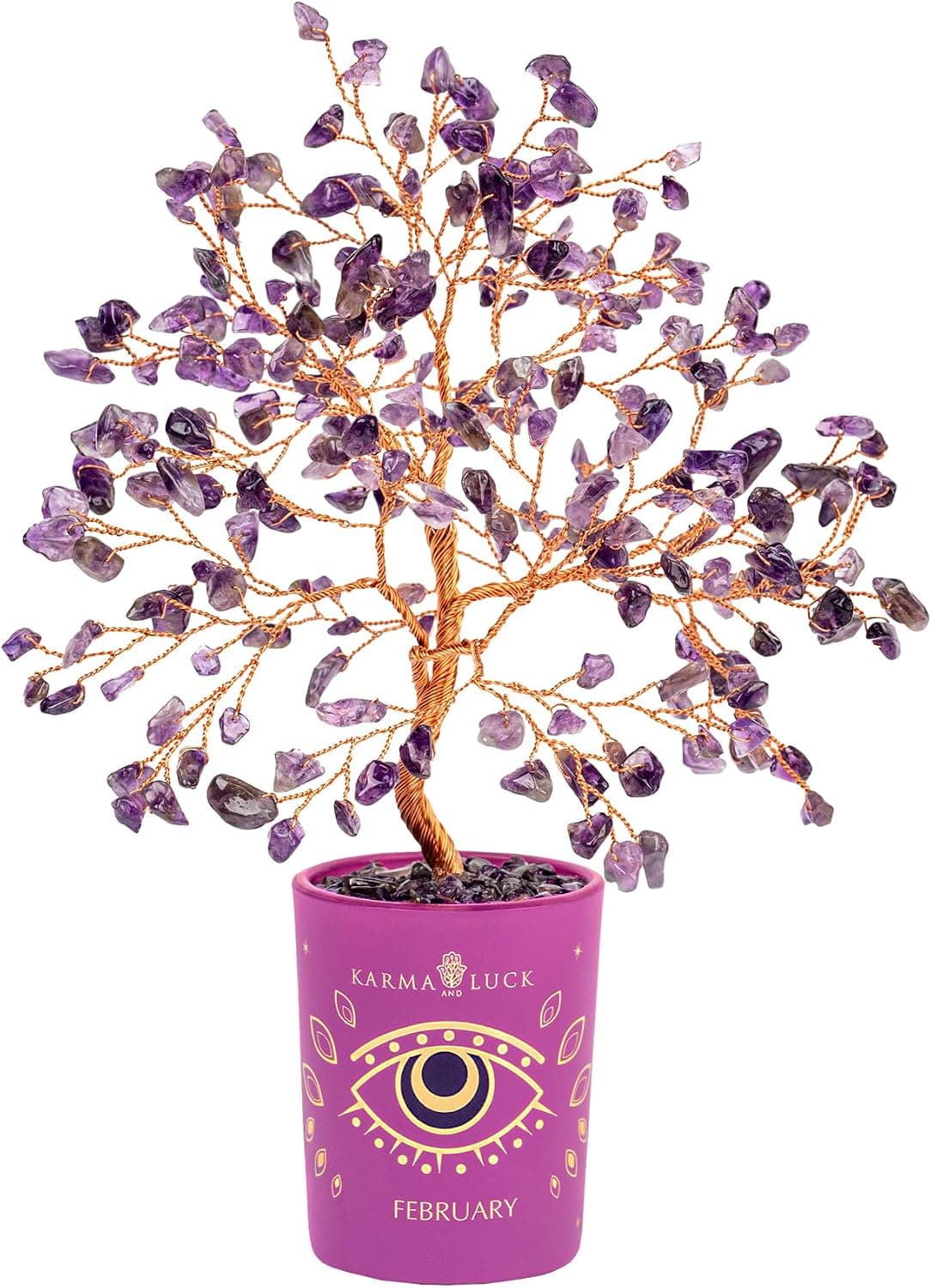 -29%
-29%Karma and Luck February Birthstone Crystal Tree of Life, Amethyst Gemstone Fe...
As an Amazon Associate, we earn from qualifying purchases. We only recommend items our practitioners have personally tested.
Continue Your Journey
Explore these related guides to deepen your understanding:

The I Ching Doesn't Answer Lazy Questions — Here's What to Ask Instead
8 min readConfucian Commentary Turns the I Ching Into a Moral Floor Plan
9 min readBroken Lines, Solid Lines, and the Real Yin-Yang Logic of the I Ching
11 min readThe Wilhelm I Ching Feels Deep Because It Slows Your Reading
11 min readReady for Deeper Guidance?
Try our free I Ching reading for personalized wisdom, or explore our curated Feng Shui essentials.