Hexagram 50 is not about forcing change. It is about building the vessel that makes change possible.
A cauldron before the fire
At dawn, the bronze vessel is lowered onto the hearth first, and only then do the attendants bring water, grain, herbs, or sacrificial food. That order matters. If the fire is wrong, the meal fails; if the vessel is cracked or poorly placed, the whole ritual loses its authority. The Book of Changes keeps returning to this kind of sequence because transformation is never just about intention. It is about the system that receives the ingredients.
I have seen the same pattern in a modern kitchen with white cabinets, a dented saucepan, and a burner that heated unevenly on the left side. The cook kept blaming herself for soup that never thickened properly. But the real problem was the pan: thin metal, warped base, poor contact, bad heat distribution. Hexagram 50, the cauldron, starts there. Not with ambition. With the vessel.
The exact phrase i ching hexagram 50 the cauldron often gets treated like a mystical label, as if the symbol alone does the work. It does not. The cauldron is a system image. What goes inside, what surrounds it, what heats it, and who tends it all shape the result. That is the first hard lesson.
In behavioral science terms, this is about environment and cueing. People imagine willpower is the engine of change, but routines are made or broken by the setup around them. A stable vessel makes repeated action easier. A chaotic one makes even good intentions leak away.
That is why this hexagram can feel surprisingly practical. It does not ask, “How badly do you want transformation?” It asks, “Is your structure able to hold it?”
Why the vessel matters more than the meal
The cauldron is not a decorative pot. In early China it carried food for community, sacrifice, and authority. A bronze vessel in the center of a ritual space was not just useful; it announced order. The people around it had roles. The timing had roles. The fire had a role. Even the smoke rising from the rim carried meaning.
That matters because Hexagram 50 is about more than nourishment. It is about stewardship. The one who tends the vessel must respect limits, sequence, and proportion. Add too much water and the broth turns thin; add too much heat and the contents scorch; neglect the stand and the vessel tilts. Each failure has a different cause, and that is exactly the point: the result is not determined by the ingredients alone, but by whether the container can regulate what happens to them.
Philosophically, this is why the hexagram feels formal without being sterile. Form, here, is not empty ceremony. Form is what keeps meaning from dissolving into noise. A ritual space arranged around a bronze vessel teaches that objects and roles stabilize reality. The cauldron makes an ethical claim: handle what you hold with care, because what you hold will shape you back. If the setting is sloppy, even good material becomes hard to use; if the setting is steady, ordinary material can become sustaining.
That is also why people often misread this hexagram as a simple “success” sign. Success is too crude a word. Hexagram 50 points to refinement, and refinement takes restraint. It is not the thunderclap of change. It is the patient shift from raw to nourishing. Steam at the rim. Metal warming slowly. Grain becoming porridge. Smoke carrying the smell of wood and herbs through the room.
Think of a studio apartment with one bright window, a cluttered desk, and a project that keeps stalling. The person working there may believe they need more motivation. Often they need better containers: clearer boundaries, fewer interruptions, a steadier rhythm, a place where one action reliably leads to the next. The cauldron says the same thing in a different language.
For a gentler entry point into the broader system, you can read how the I Ching actually works before trying to force a single symbolic meaning onto it.
Line by line through Hexagram 50
The lines of Hexagram 50 read like a manual for stewardship under pressure. The lower lines show the vessel before it is fully trusted; the middle lines show the challenge of weight and balance; the upper lines warn against misuse, emptiness, and vanity. If you read them as a story, the cauldron is not static at all. It moves from preparation to authority to responsibility.
One line suggests the handles of the vessel are broken or not yet ready. Another shows the feet of the cauldron being set down properly so the food can be prepared. Another warns that if the contents are spoiled, no elegant container can rescue them. These images are blunt. They tell you that transformation can fail at the level of support, not just at the level of effort.
A person trying to improve a strained partnership often acts like someone adding more wood to an already smoke-choked hearth. They speak more. Explain more. Text more. Apologize more. Yet the room is wrong. The timing is wrong. The listening space is wrong. Hexagram 50 refuses to flatter that impulse. Sometimes the answer is not more heat. It is a better vessel.
There is a line in the spirit of this hexagram that points to ritual nourishment gaining public recognition. That does not mean applause. It means trust. When a vessel reliably produces what is nourishing, people rely on it. In modern life, this can look like a team whose weekly meeting is short, disciplined, and actually useful. The structure earns authority because it makes good outcomes easier and bad outcomes harder.
Another line has a harder edge: if the vessel is overturned, the whole purpose is lost. That is what happens when someone with power uses the system for display instead of function. The bronze cauldron becomes empty prestige. The ritual becomes theater. And the work stops feeding anyone.
For readers who want to compare systems rather than isolate symbols, it helps to look at Hexagram 11 and the problem of balanced exchange. Peace and the cauldron both depend on structure, but they emphasize different kinds of order.
The line-by-line message is uncomfortable if you want quick inspiration. But it is better than inspiration. It is operational. Where is the weight? Where is the heat? What is the vessel asking you to protect?
How the cauldron changes the room around it
In a workshop, the container decides whether ingredients become nourishment or waste. Put the same broth into a clean bronze vessel or a cracked tin one and you will get different results. Not because the broth changed its character, but because the system around it changed its behavior. This is the hidden genius of Hexagram 50. It tells you that transformation is relational.
That is why the cauldron is such a strong image for leadership, but not in the shallow sense. A leader is not simply a charismatic person standing above the group. A leader is the stable vessel that lets the group’s raw material become something usable. The vessel sets sequence. The vessel controls exposure. The vessel determines whether what is held will ripen, boil over, or burn.
Behavioral science says environments cue action. Put the kettle by the stove and you drink tea more often. Put the phone in the next room and your attention improves. Leave the wrong tools in sight and habits follow them. The cauldron is the ancient version of that insight. It is a physical reminder that the right container makes the right behavior more likely.
That also explains why the hexagram carries a moral tone. You are responsible not only for what you want, but for what your system invites. If your desk is covered in papers, your mind will fragment. If your schedule has no pauses, your decisions will get sloppy. If your relationship has no protected time, it will start eating itself. The vessel is not neutral.
That is a philosophy of technology point as well. Tools are never just tools. They direct action, limit choices, and define what counts as success. A cauldron is successful when it transforms contents safely and well. A misused vessel is just expensive metal. Hexagram 50 asks you to respect the moral shape of the tool.
For a related perspective on resource and continuity, see the way Hexagram 2 teaches support without forcing. The Receptive gives the ground; the Cauldron gives the form that holds the result.
And yes, this is where many readings go soft and vague. They say “transform your life” and leave it there. That is not enough. The hexagram is telling you to inspect the room, the roles, the sequence, and the object in the center of the room. Change the setup and you change what can happen inside it.
One sentence is enough here: the room is part of the answer.
Hexagram 50 beside the Well and Revolution
The cauldron becomes sharper when you place it next to Hexagram 48, the Well, and Hexagram 49, Revolution. The Well is the source: the depth from which shared life draws water. Revolution is the break: the moment a structure can no longer continue as it is. The cauldron sits between them. It takes what is drawn up and turns it into something fit for communal use.
That sequence matters. Without the Well, there is nothing to draw from. Without the Cauldron, raw supply remains raw. Without Revolution, a rotten system may never be replaced. Together, these three images describe a living society: source, vessel, and reordering. It is a clean system map, and it still works.
This is also where people get impatient. They want Revolution when the issue is really the vessel. They want dramatic change when the problem is poor handling. Or they want a perfectly shaped container when the source has been exhausted. Hexagram 50 sits in the middle and says that transformation depends on relationship, not fantasy.
If you are studying the I Ching as a system rather than as a fortune cookie, this comparison is worth sitting with. Beginners often need this framing first: the hexagrams are not isolated slogans. They are parts of a larger language about movement, constraint, and change.
The cauldron also warns against overreach. A vessel that is too large for its fire wastes energy. A vessel that is too small cannot serve the group. In human terms, this looks like a project that has outgrown its process or a relationship that has outgrown its habits. The answer is not always to pour harder. Sometimes the honest move is to resize the system.
That can feel almost rude to our self-improvement instincts. We prefer hero stories. We prefer the idea that a stronger self will beat a broken setup. But in practice, the setup usually wins. Hexagram 50 is a sober teacher. It says reality changes through the apparatus that holds it.
One sentence, because it deserves its own breath: a good vessel makes virtue repeatable.
What Hexagram 50 asks of modern decisions
So what do you do with i ching hexagram 50 the cauldron when you are not standing in an ancient court kitchen? You stop asking only what you should do and start asking what your system is doing to you. That may sound less glamorous. It is also more useful.
If your work project is stalling, inspect the meeting rhythm, the file structure, the number of priorities, and the timing of decisions. If your home feels tense, look at the shared surfaces, the noise level, the storage, and the transitions between rooms. If a relationship keeps producing the same argument, notice whether the conversation container is too public, too late at night, too rushed, or too reactive.
Hexagram 50 is not asking for perfection. It is asking for adequate stewardship. A vessel that is stable, clean, and correctly placed can do an extraordinary amount with ordinary ingredients. That is the opposite of the fantasy that only dramatic force creates change. Often, small structural adjustments do more than emotional intensity ever will.
There is one common mistake worth naming. People treat symbolism as decoration and forget the mechanism. They admire the cauldron as a sacred object but never ask how it organizes action. Another mistake is to chase transformation while ignoring maintenance. For the practical side of this pattern, it helps to notice the habits described in questions about I Ching accuracy and consistency.
And if you catch yourself trying to rescue a weak system by adding more effort, pause. Check the vessel. Check the stand. Check the heat. Check who is doing what. The cauldron does not reward haste. It rewards right placement.
The deepest reading of this hexagram is simple enough to remember and hard enough to live: what you hold, how you hold it, and where you set it will shape what it becomes.
One sentence to end on: the change you want may already be possible, if the vessel is finally right.
FAQ
What does Hexagram 50 mean in a practical reading?
It points to transformation through structure, not brute force. The question is usually about whether your container, routine, or leadership setup can actually hold the change you want.
Is the Cauldron a good sign?
Usually, yes, but not in a childish “everything will be fine” sense. It is a good sign when stewardship is strong and the system is sound; otherwise it can warn that prestige or effort is being wasted.
How is Hexagram 50 different from Hexagram 48, the Well?
The Well is the source of nourishment, while the Cauldron is the vessel that turns that source into something usable. One supplies depth, the other supplies form.
Should I read this hexagram as change or stability?
Surprisingly, both. The outside may look stable, but the whole point is controlled transformation inside a reliable structure. Stability is what makes change safe enough to trust.
David Liu
Traditionally informed guidance • Cross-referenced with classical Chinese source texts
Interpretations cross-referenced with the Zhouyi (周易) and Wilhelm/Baynes translation.
Practitioner-Selected Tools for This Topic
Items our team has tested and found effective for the principles discussed above. Individual results may vary.
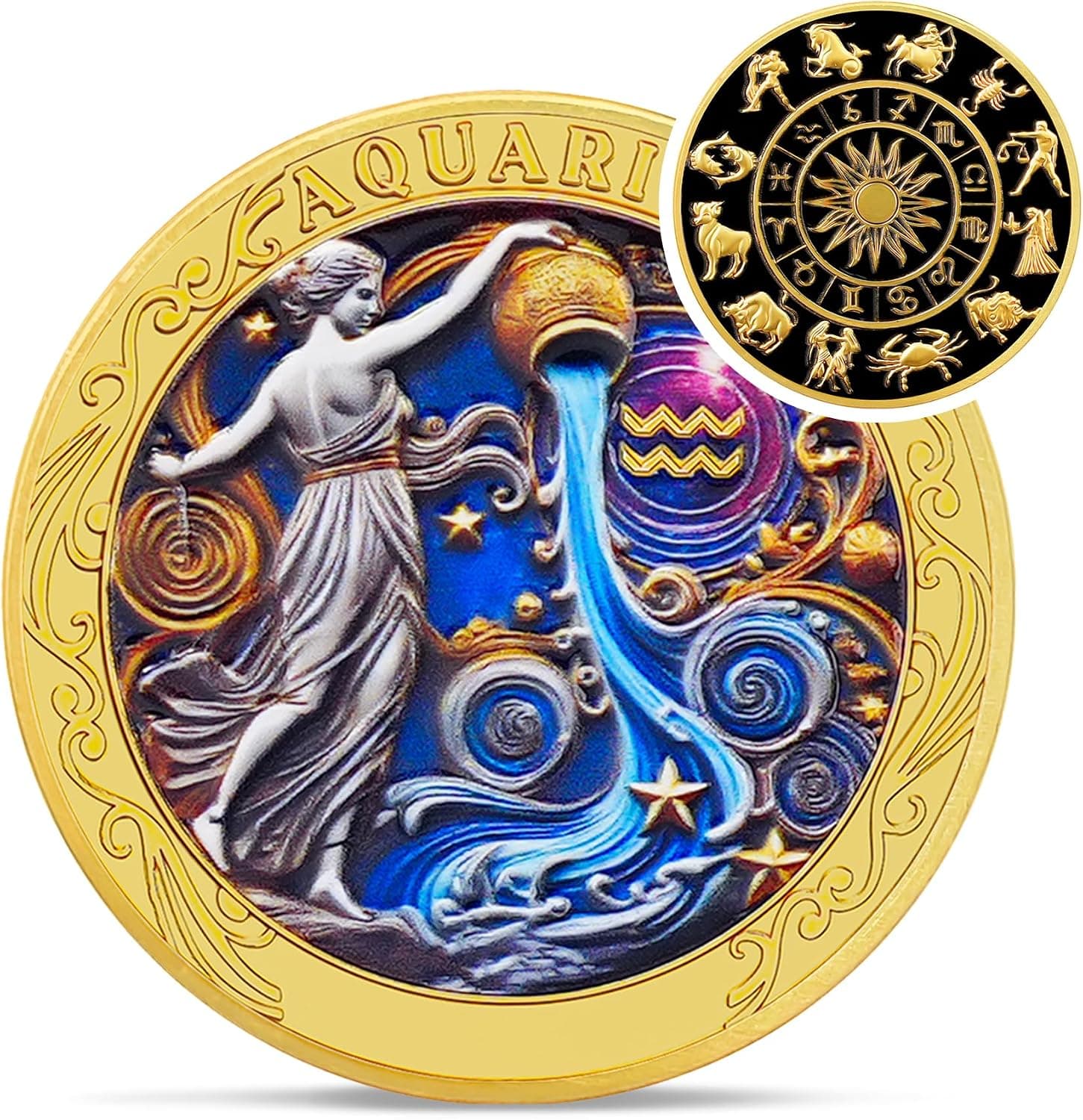 -20%
-20%Aquarius 12 Zodiac Challenge Coin - Twelve Constellations Aquarius Protective...
 -29%
-29%Karma and Luck March Birthstone Crystal Tree of Life, Aquamarine Gemstone Fen...
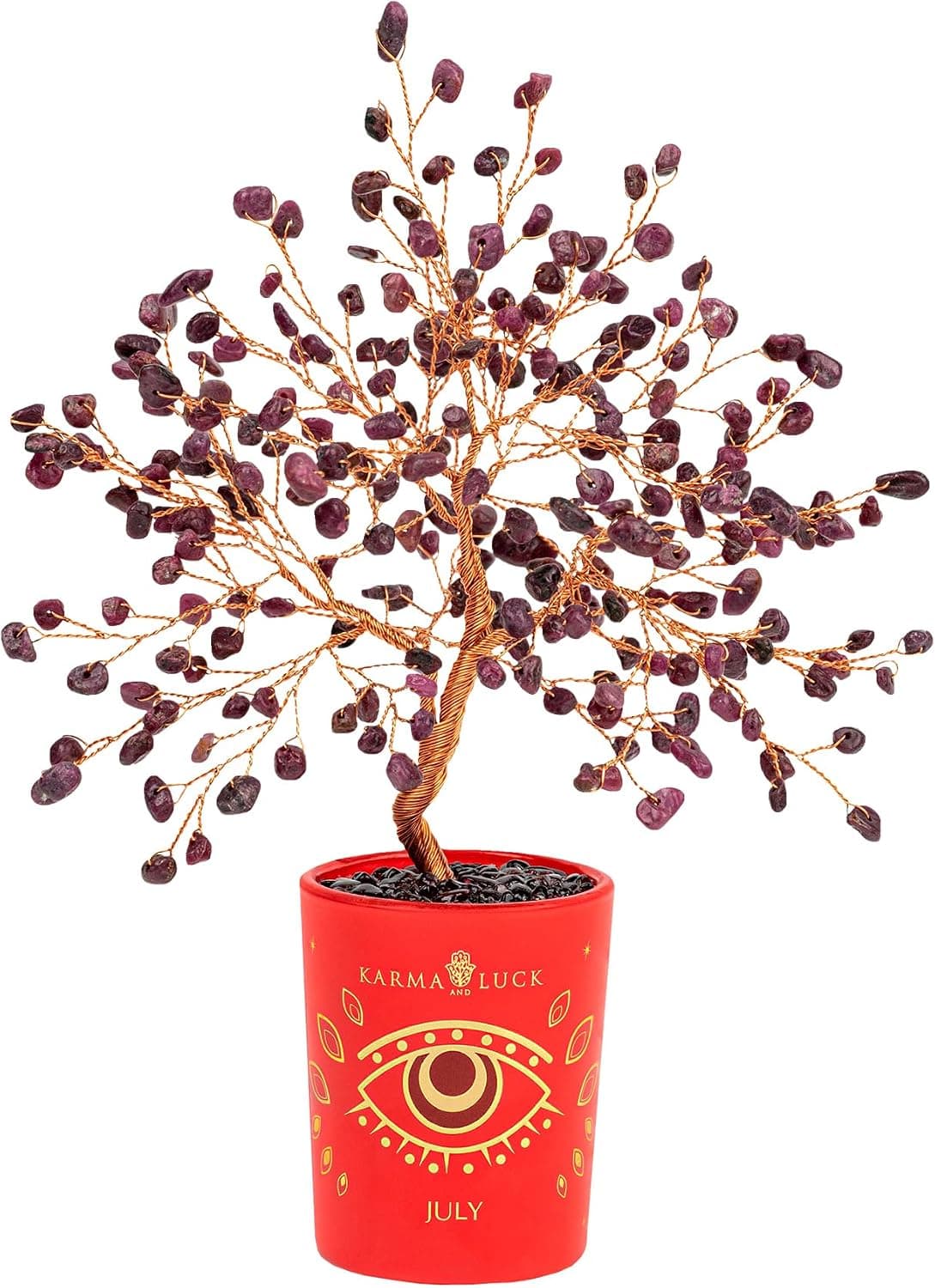 -29%
-29%Karma and Luck July Birthstone Crystal Tree of Life, Ruby Gemstone Feng Shui ...
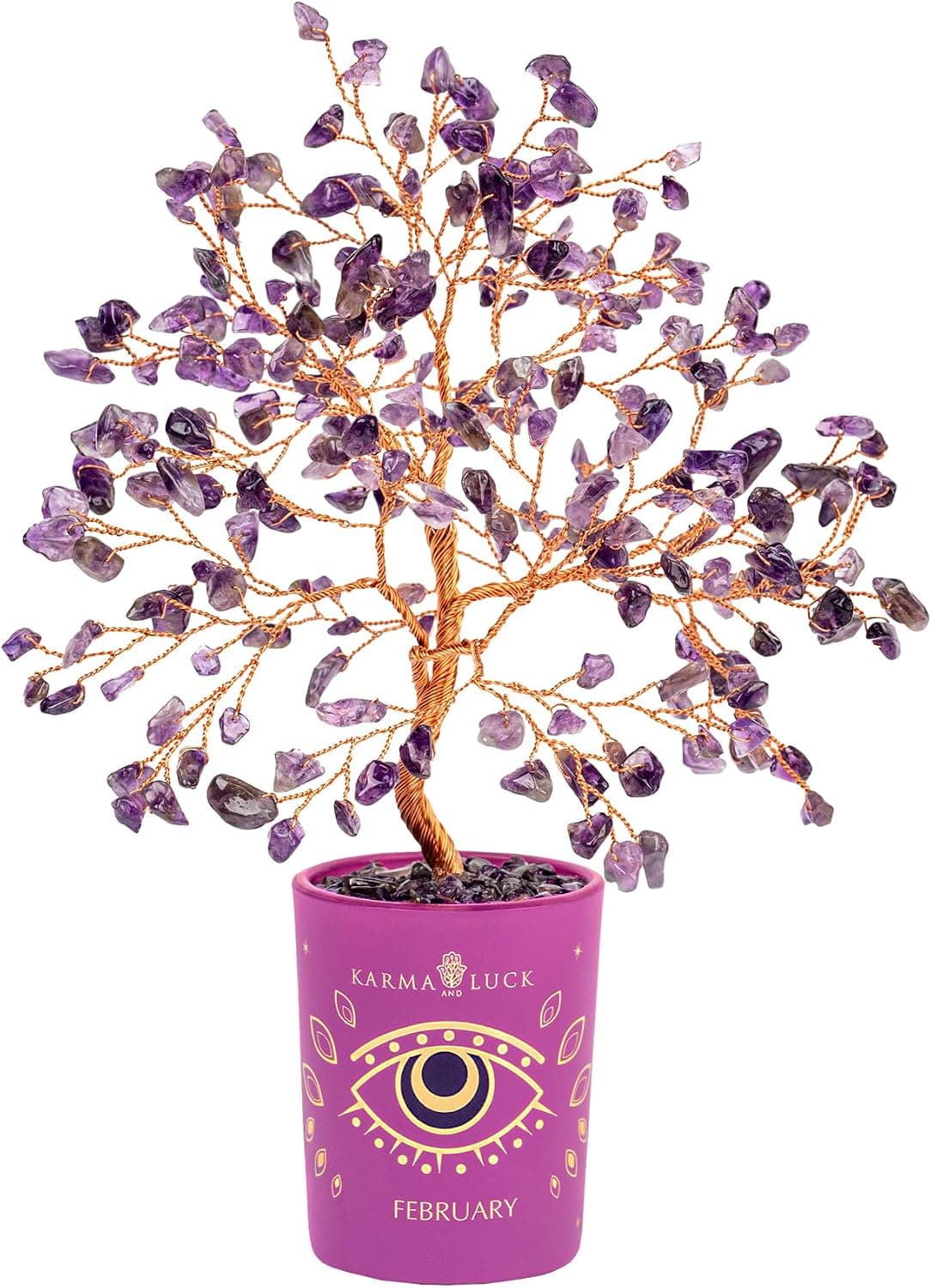 -29%
-29%Karma and Luck February Birthstone Crystal Tree of Life, Amethyst Gemstone Fe...
As an Amazon Associate, we earn from qualifying purchases. We only recommend items our practitioners have personally tested.
Continue Your Journey
Explore these related guides to deepen your understanding:

The I Ching Doesn't Answer Lazy Questions — Here's What to Ask Instead
8 min readConfucian Commentary Turns the I Ching Into a Moral Floor Plan
9 min readBroken Lines, Solid Lines, and the Real Yin-Yang Logic of the I Ching
11 min readThe Wilhelm I Ching Feels Deep Because It Slows Your Reading
11 min readReady for Deeper Guidance?
Try our free I Ching reading for personalized wisdom, or explore our curated Feng Shui essentials.