Hexagram 30 shows clear light that depends on its holder, and that dependence changes everything.
A Lamp at the Threshold: Why Hexagram 30 Feels Bright and Unstable
In a narrow room with one east-facing window, a brass lamp can make everything seem more certain than it really is. The desk edge sharpens, the ink bottle gleams, and the shadow under the chair looks deeper than before. That is the feeling of I Ching trigrams meaning when Hexagram 30 appears: you can see enough to act, but only inside the range of what is lit.
The image is not comfort alone. It is also dependence. Fire reveals, yet it must cling to something or it goes out, which is why the old text uses brightness without imagining independence. A torch in the hand, a hearth set into a wall, a candle on a shelf by the window, all of them need a place, a holder, a boundary. Without that, the light becomes a problem.
I have seen this reading appear in conversations about relationships that feel vivid but unstable. The attraction is real. The clarity is real. What is not real is the assumption that intensity can replace structure. Hexagram 30 asks a harder question: what is this feeling attached to, and is that support sound enough to carry it?
That question matters because fire in early Chinese thought was never just a decorative symbol. It belonged to the zone where things meet and transform. It cooks, illuminates, signals, warns. It also burns. The hexagram carries both facts at once, and it does not let you choose only the flattering half.
Why This Image Took Shape in Its World
Hexagram 30 makes more sense when you stop treating it like a private mood and start treating it like an environment. Early Chinese cosmology noticed that brightness is never floating in space by itself. It rests on fuel, on air, on form. It lives in relation. That is why the symbol of fire belongs so naturally to the world of thresholds: the hearth inside the house, the lamp near the door, the brazier that keeps order between inside and outside.
The architecture of a home makes the point plainly. A flame is useful when it sits in the right proportion to the room around it. Too small, and it does nothing. Too large, and it dominates the space, consumes air, stains the ceiling, and turns visibility into glare. The same logic governs the hexagram. Its power is not raw intensity. Its power is fitted illumination.
That was not an abstract preference. In a world shaped by cooking fires, ritual burners, metalwork, and lamps that had to last through long evenings, fire was only valuable if it could be placed, fed, and watched. Light solved problems, but only when its conditions were managed. A good flame required fuel that would hold, airflow that would not snuff it out, and a vessel that kept it where it belonged. If any one of those failed, the same light that clarified a room could quickly become smoke, waste, or danger.
That is the historical reason the image survived. It describes a culture that understood light as something managed, not merely admired. Fire was central to cooking, ritual, metalwork, and nightly safety. In every case, the question was not whether fire was good. The question was whether the frame around it was worthy of trust.
Read that way, the hexagram becomes practical immediately. If your situation depends on attention, presence, reputation, or inspiration, then the quality of the container matters as much as the spark itself. That is a very old idea. It still governs modern life.
One line can be enough to show the whole structure: light above, light below, one level supporting another. The image is vertical, almost architectural. It is not a floodlight. It is a stacked arrangement of illumination and reliance.
What Clinging Means in Plain Language
Clinging does not mean needy attachment in the thin psychological sense people often assume. It means fastening to what makes perception possible. A person may cling to a principle because it keeps life intelligible. A team may cling to a method because it preserves continuity. A lover may cling to another person not only from fear, but because the relationship has become the place where identity is seen.
That sounds tender until it becomes excessive. Then the same fastening turns into fixation, admiration without discernment, or dependency that cannot think for itself. Hexagram 30 does not praise that condition. It simply names it. The mind, like fire, needs contact. But if contact becomes possession, brightness collapses into confusion.
In philosophical terms, this is a balance problem. Yin and yang are not moral labels here. Yin provides receptivity, containment, and the surface that can hold. Yang provides direction, warmth, and the force that makes things visible. Hexagram 30 works only when those two functions stay in proportion. Too much active glare and everything is washed out. Too much passive holding and the flame suffocates.
That is why the reading often surprises people. They expect a message about passion, or romance, or inspiration. Instead they get a lesson in maintenance. The light is already there. The issue is whether it can continue.
When this hexagram appears in a decision, I ask what the decision depends on for clarity. If you cannot name the source of illumination, you may be mistaking brightness for truth. That is a costly error. Fire can expose a room, but it cannot tell you how to live in it.
For a fuller structural contrast, compare this with Hexagram 2, the Receptive. Receptivity holds. Clinging illuminates. The first receives the field; the second makes the field visible. They are not the same function, and confusing them leads to poor readings.
How Fire Works in the Hexagram
Fire is the most exact image here because it teaches by limit. It only shows what it reaches, and it shows it in hard contrast. That is why a lamp can feel almost severe in a dark room. It does not comfort by softening the world. It comforts by making edges legible. The chair is here. The doorway is there. The crack in the plaster was real all along.
That clarity is useful in conflict. Standing near a bright source exposes everything, including tone, motive, and hesitation. But exposure does not create agreement. A room can be fully lit and still be tense. In that sense, Hexagram 30 is honest to the point of discomfort. It tells you that seeing more is not the same as resolving more.
The clinging quality of fire also explains why the hexagram has such a strong relationship to place. A flame belongs where circulation can support it. In a kitchen, a hearth changes the movement of the room. In a hallway, a small lamp changes how people pass through. In a study, a desk light changes how attention gathers. Fire organizes space by directing movement and visibility at once.
This is where architecture helps the reading. Good design respects thresholds, and Hexagram 30 is full of threshold logic. A boundary is not a wall only. It is also a place where conditions change. Fire makes that change visible. It lives at the edge between concealment and exposure, private and public, stillness and action.
It is also why the hexagram can describe insight that depends on contact. The insight is real, but it is not self-sustaining. A candle burns because it is fed. A truth stays clear because the supporting structure is sound. If the wick is poor, if the draft is wrong, if the holder is unstable, the light begins to dance and then fail.
When the Lines Move, the Message Narrows
Changing lines in Hexagram 30 matter because fire is sensitive to conditions. A slight shift in fuel, airflow, or distance can change everything. The same is true in a reading. One moving line can show whether the light is becoming steadier, harsher, more dependent, or more exposed. You are not reading a slogan. You are reading a system in motion.
If the lower part of the situation is moving, the support may be changing. If the upper part is moving, the expression of the light may be changing. That distinction helps in practical reading. A person may still feel attraction, but the way that attraction is being carried can alter completely. A workplace may still need visibility, but the method of leadership may shift from inspiration to scrutiny.
When Hexagram 30 is unchanging, the advice is blunt: stabilize the holder, not the flame. Do not chase more intensity. Improve the conditions around attention, trust, timing, and proportion. When the lines move, the exact moving line tells you where the change is happening, but the larger lesson remains the same. Keep the light workable. Keep the frame honest.
One sentence is enough here: the question is never whether the fire is beautiful. The question is whether it can be borne.
That is why I am cautious when people want the hexagram to confirm desire without asking about structure. A brilliant reading can tempt you into overconfidence. A dim reading can tempt you into abandoning a situation too quickly. Hexagram 30 does neither. It tells you to look at dependency without shame.
For readers learning the system, the simplest entry point is to study how this hexagram sits in the larger pattern of the book through the hexagram chart. The chart makes the relationship between images clearer, especially when you want to see how light, danger, receptivity, and movement relate across the text.
A second useful frame is the method itself. If you are still unsure how these images answer questions rather than merely decorate them, how the I Ching works gives the necessary context without stripping away the symbolic layer. Hexagram 30 reads best when you understand that it is both image and process.
Where Hexagram 30 Fits in Modern Life
In modern life, Hexagram 30 often shows up where visibility is high and stability is low. A new relationship can feel dazzling but not yet grounded. A promotion can make a person more visible before they are fully supported. A decision can feel urgent because the stakes are bright, even though the facts are still partial. Fire gives enough light to move, not enough to remove uncertainty altogether.
That is where the practical value lies. If you are in a relationship and everything feels emotionally hot, ask what provides the holding structure. Is there honesty? Time? Shared routine? If you are leading a project and everyone is watching, ask what is actually stabilizing attention. If the answer is only charisma, then the flame is doing too much work.
I once watched a client ignore this in a small apartment study with a red rug, a glass desk, and a lamp too tall for the room. The lamp threw light across the walls but left the work surface washed out and the corner behind the chair in shadow. The person kept saying the space felt inspiring. It did, for about ten minutes. Then it became tiring, because the room was carrying more glare than guidance. A shorter lamp and a lower bulb changed the whole feel. The room did not become less bright. It became more usable.
That is Hexagram 30 in daily form. Not less light. Better light.
It also explains why the hexagram can appear during conflict. When tempers rise, people become visible in a way they did not intend. Hidden attitudes show. Old resentments flash. But if the room has no agreed structure, the exposure only increases damage. The answer is not to put out the fire of truth. The answer is to contain it well enough that it can illuminate without scorching.
For people asking whether the text is accurate in this kind of practical use, that question is worth taking seriously. I would start with whether the I Ching is accurate because the usefulness of Hexagram 30 depends on reading it as a disciplined mirror, not a fortune cookie. Its accuracy shows up in pattern recognition, not theatrical certainty.
Hexagram 30 Beside 29 and the Other Fire Figures
Hexagram 30 becomes sharper when placed near Hexagram 29. Repeated danger is the world of deep water, where the issue is survival through continuity under pressure. Hexagram 30 is different. It is not about being submerged. It is about seeing in the dark and learning what can support visibility. Water tests endurance. Fire tests proportion.
That contrast matters because people often confuse intensity with difficulty. A situation may be vivid without being dangerous in the same way, and it may be dangerous without looking vivid at all. Hexagram 30 separates those experiences. It says that brilliance has its own risk: dependence, glare, overfocus, and the temptation to believe that what is illuminated is fully known.
It also sits in useful conversation with other fire-related figures, especially the creative and the peaceful. The creative pushes generation forward. Peace arranges correspondence between above and below. Hexagram 30 does neither in a grand sense. It makes discernment possible. That smaller role is easy to overlook, but it is the one most people actually need when a matter is hot, visible, and not yet settled.
So the reading is this: if the light is real, respect it. If the support is weak, repair that first. If the brightness is making you feel more certain than the facts justify, step back until the frame comes into view again. Fire can guide a house, a path, a question, or a relationship. It cannot do that by itself. It needs a place.
That is the old intelligence hidden inside Hexagram 30. It is not asking you to fear your own clarity. It is asking you to stop pretending clarity is independent of the conditions that make it possible.
FAQ
What does Hexagram 30 mean in one sentence? It points to a brightness that depends on what it adheres to, so the key issue is not the flame itself but the quality of the support around it. That makes it a reading about visibility, dependence, and proportion.
Does Hexagram 30 always mean a relationship? No. It often appears there because attraction and dependence are easy to see, but it can also describe work, reputation, timing, or any situation where insight relies on a stable structure. The relationship reading is only one versi
David Liu
Traditionally informed guidance • Cross-referenced with classical Chinese source texts
Interpretations cross-referenced with the Zhouyi (周易) and Wilhelm/Baynes translation.
Practitioner-Selected Tools for This Topic
Items our team has tested and found effective for the principles discussed above. Individual results may vary.
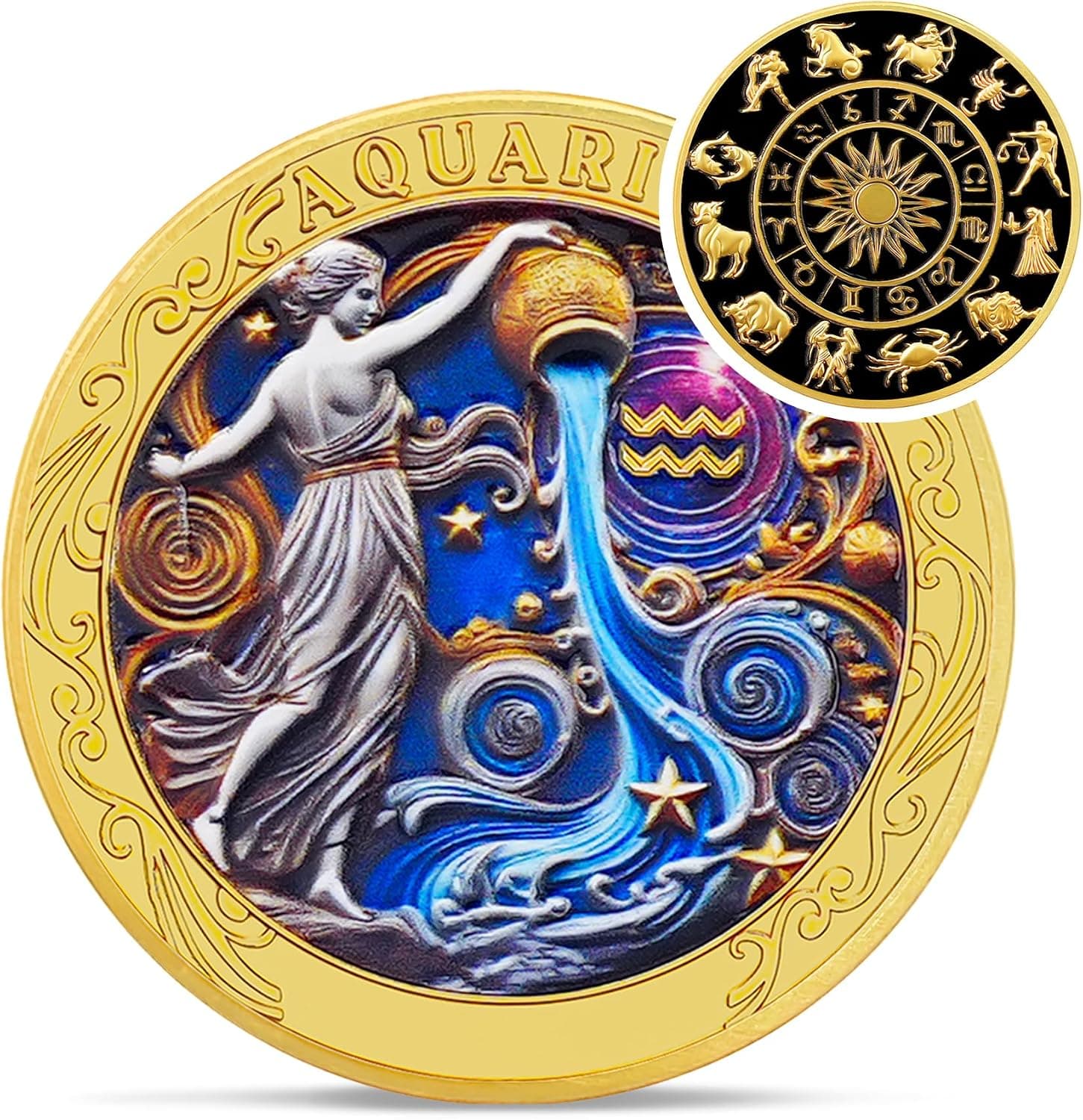 -20%
-20%Aquarius 12 Zodiac Challenge Coin - Twelve Constellations Aquarius Protective...
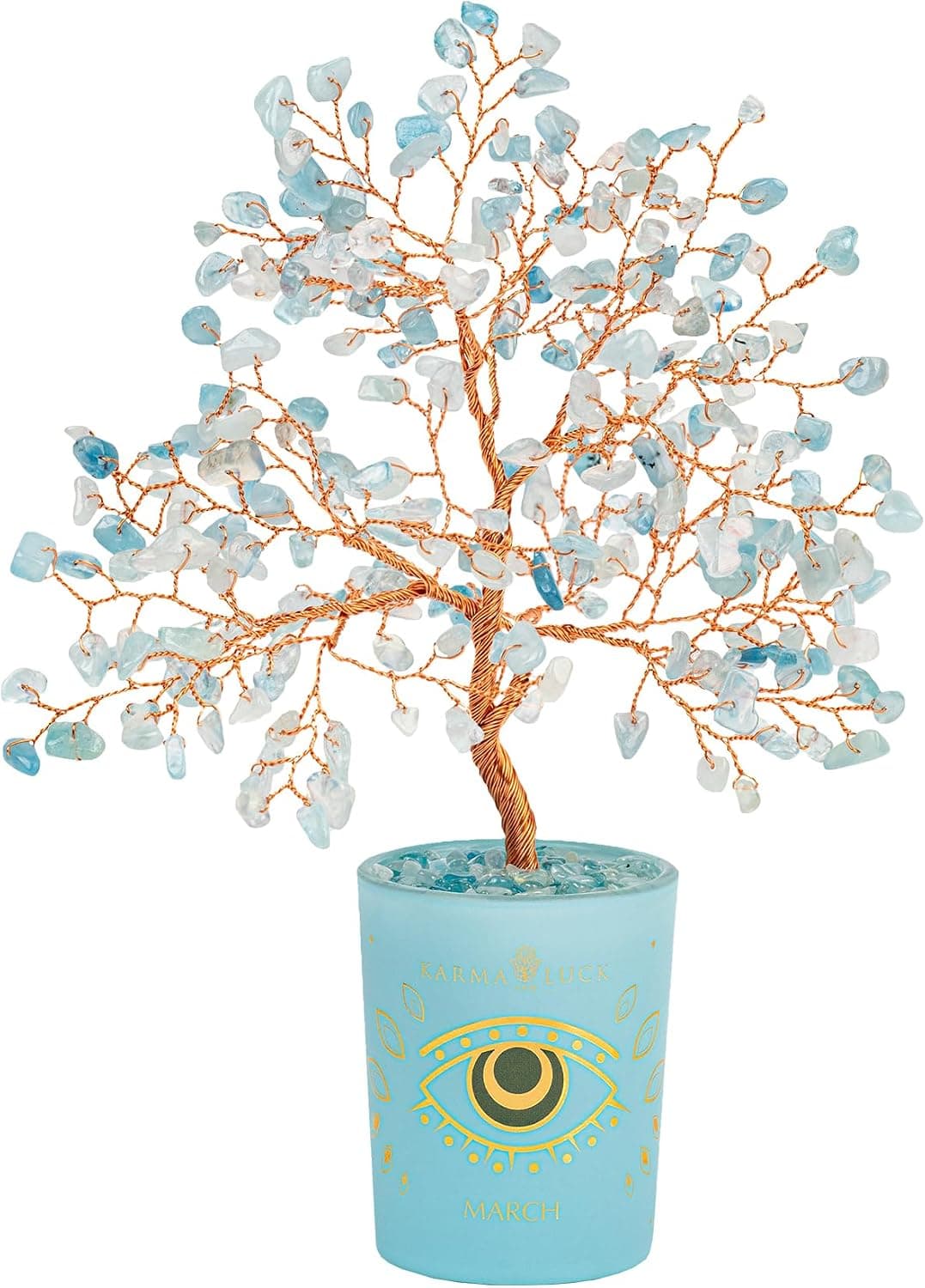 -29%
-29%Karma and Luck March Birthstone Crystal Tree of Life, Aquamarine Gemstone Fen...
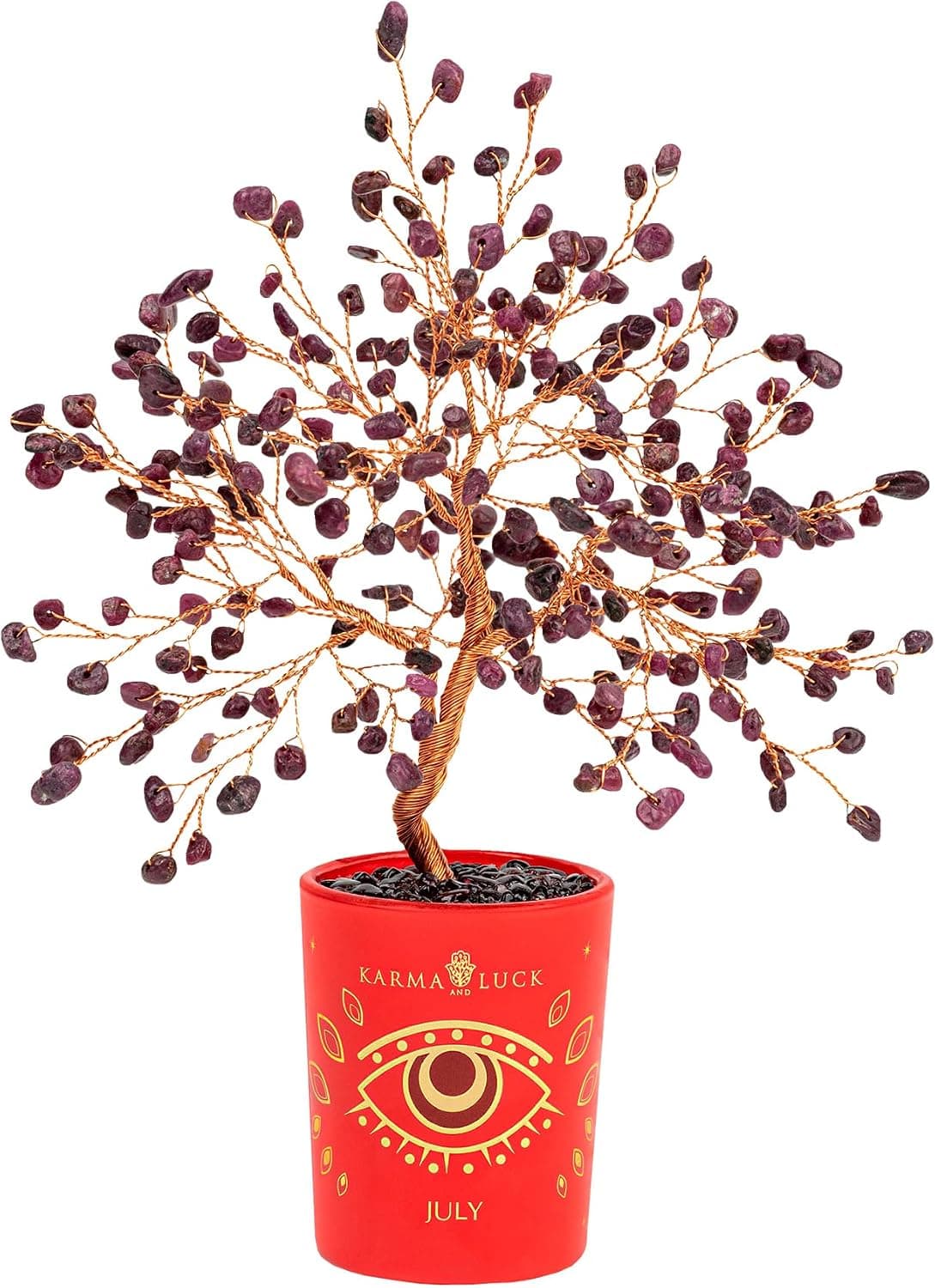 -29%
-29%Karma and Luck July Birthstone Crystal Tree of Life, Ruby Gemstone Feng Shui ...
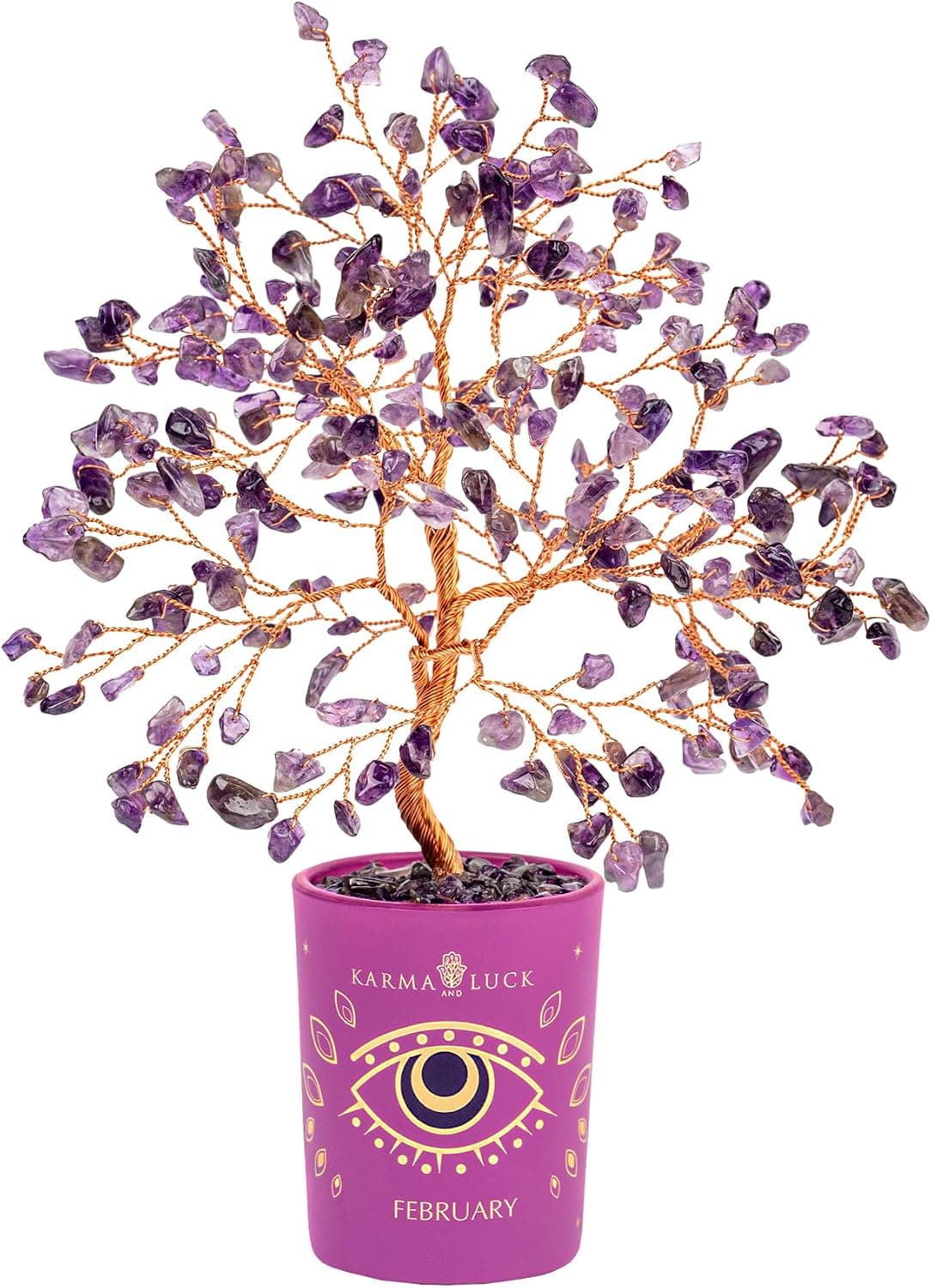 -29%
-29%Karma and Luck February Birthstone Crystal Tree of Life, Amethyst Gemstone Fe...
As an Amazon Associate, we earn from qualifying purchases. We only recommend items our practitioners have personally tested.
Continue Your Journey
Explore these related guides to deepen your understanding:

The I Ching Doesn't Answer Lazy Questions — Here's What to Ask Instead
8 min readConfucian Commentary Turns the I Ching Into a Moral Floor Plan
9 min readBroken Lines, Solid Lines, and the Real Yin-Yang Logic of the I Ching
11 min readThe Wilhelm I Ching Feels Deep Because It Slows Your Reading
11 min readReady for Deeper Guidance?
Try our free I Ching reading for personalized wisdom, or explore our curated Feng Shui essentials.