When the same problem keeps returning, Hexagram 29 asks for measured movement, not bravado or panic.
When the Same Risk Keeps Returning
The hard part is not that something went wrong once. The hard part is when the same pressure returns in a narrow hallway of life: a job where every fix creates another issue, a relationship where the same argument comes back after every truce, or a studio apartment where noise, stale air, and no real privacy keep fraying your nerves. That is the territory of the Abysmal Water. It is not asking whether danger exists. It is asking whether you can read it accurately enough to move through it without adding more damage.
I have seen this most clearly in small living spaces, where every choice matters twice. A desk shoved beside a bright window may look efficient until the glare, traffic noise, and lack of airflow turn ordinary work into a daily drain. The mind then starts to misread intensity as clarity. It feels urgent, so it must be right. Hexagram 29 does not reward that confusion.
The mistake is to treat repeated trouble as if it were a one-time obstacle. It is not. Repeated danger becomes a system, and systems need different responses than dramatic gestures.
That is why a reading of how the I Ching works matters here: the answer is not a slogan, but a diagnosis of conditions that shape the next move.
Situation: The Pattern That Feels Unavoidable
Hexagram 29 often appears when life has become cyclical in the worst way. A person gets a message from a supervisor, solves the immediate issue, then discovers a new failure in the same workflow. A couple resolves one fight, only to find the same subject waiting under the next apology. A tired body gets a little rest, then the apartment noise rises again and sleep falls apart.
The pattern feels unavoidable because the source of the strain is usually not a single event. It is a loop created by conditions that keep reactivating the same weak point. When the environment stays noisy, the body never fully discharges stress. When the workflow keeps changing, the mind cannot build stable expectations. When the relationship never pauses long enough to name the real issue, each repair lands on top of the same missing agreement. The danger is not just that something goes wrong; it is that the same setup keeps reproducing the problem.
One practical way to read this hexagram is to notice whether the danger is external, internal, or environmental. External danger is obvious: a deadline, a conflict, a crossing point where a mistake will cost you. Internal danger is subtler: panic, numbness, overconfidence, the urge to rush because stillness feels unbearable. Environmental danger is the overlooked one. Poor light, constant sound, and cramped air lower attention and increase error rates. That is not mysticism. It is ordinary human biology.
In philosophy, this fits a virtue-ethics view. The question is not whether you can command the outcome. The question is whether you can keep your conduct steady inside uncertainty. Hexagram 29 is about discipline under pressure, not heroic conquest.
When people ask whether a reading like this is really about fate, I think of narrow stairwells and crossing points. There is room to move, but not room to improvise endlessly.
Problem: Why Panic and Denial Both Fail
Panic and denial both fail because they break the link between perception and response, just in opposite directions. Panic overstates the threat until the whole field looks dangerous, which makes it hard to tell the urgent from the merely uncomfortable. Denial does the reverse: it treats a repeating hazard as if it were a passing inconvenience, so the conditions remain untouched and the pattern keeps returning. In both cases, the person reacts to intensity instead of structure.
Repeated danger often trains the mind into hypervigilance or numbness. Hypervigilance scans every detail until the person cannot think cleanly. Numbness stops scanning at all. The hexagram asks for accurate attention, which is harder and more useful than either extreme. Accuracy means noticing where the current is strongest, where the footing is unstable, and where the crossing can still be made safely.
That is also where many readers misread the symbol of water. They hear depth and think mystery. They hear danger and think catastrophe. But the image is more exact than that. Water moves through a channel, gathers in low places, and hides what sits beneath the surface. The danger is not only the water itself. It is the hidden ground, the unseen drop, the understructure you cannot see from above.
The trigrams behind the hexagram help here because the lower and upper layers matter together: repeated danger is not just emotion or event, but the relationship between what is pressing down and what is carrying it.
Analysis: What the Water Image Is Actually Doing
Hexagram 29 is often translated as the Abysmal or the Repeated Gorge because the water is not simply present once. It appears again and again, like a series of channels or pits that force you to keep adjusting. That repetition is the point. A single hazard asks for caution. A repeated hazard asks for structure.
In a cramped apartment, this can look banal and severe at the same time. A resident works at a small table between the kitchen and bed. The room has one window, but the building faces traffic, so it stays loud. At night the hallway light leaks under the door, the air feels stale, and the person wakes already tense. Nothing dramatic is happening, yet the conditions keep producing the same kind of failure: poor sleep, shortened patience, weak concentration. That is Hexagram 29 in practical form.
Environmental science gives a plain explanation for why this matters. Low light makes edges harder to judge. Noise interrupts timing and memory. Poor airflow can raise discomfort and fatigue. Put those together and you get a setting where mistakes multiply without any single catastrophic event. The environment is not background; it is part of the risk.
So the real mechanism of the hexagram is not fear. It is pattern recognition under stress.
If you want a chart-level reference point, the broader structure in the hexagram chart shows how 29 sits among figures that deal with pressure, transition, and constraint rather than easy resolution.
Insight: Adjustment Means Less Force, Not No Action
The common myth is that danger means stop. That is too crude. Hexagram 29 does not always tell you to withdraw, and it certainly does not tell you to charge forward. It tells you to reduce exposure while preserving function. That is a different discipline.
In a work setting, that can mean cutting the scope of a fix instead of trying to solve the whole system at once. If one email thread keeps producing confusion, answer the single question that matters and leave the rest for another pass. If a manager keeps shifting expectations, document the present decision before making the next move. A measured response lowers the chance that the next action becomes another trap.
In a relationship, the adjustment may look even smaller. One partner stops trying to finish the whole argument in one night. They name the specific pattern, take a break before voices rise, and return when both can still hear each other. That is not surrender. It is keeping the crossing intact.
Philosophically, yin-yang balance here means neither force nor surrender. It means choosing the amount of action the situation can actually hold. Excess force breaks structure. Excess passivity hands the structure to the problem.
One sentence matters here: move, but do not flood the channel.
Application: Reading 29 as a Repeated-Risk System
Start by asking whether the danger is recurring because the pattern itself remains unchanged. If the same failure keeps returning, the first task is to identify what has not been removed. Is it the setting, the pace, the boundary, the timing, or the amount of pressure? Hexagram 29 rewards this kind of plain inventory.
Then look for the threshold where movement is still possible. In many cases, the answer is not to stay in the deepest part of the current. It is to cross at the shallower point, with support and a defined limit. That might mean taking the meeting with a written agenda, turning off notifications for one hour, moving the bed away from the noisy wall, or leaving a room before exhaustion turns into a fight.
Notice how often the right move is smaller than pride wants. That is not an insult. It is an answer to a condition. Repeated danger punishes theatrical action and rewards consistent restraint.
If this is your first reading, Hexagram 29 is a useful test of temperament: can you stay factual when the atmosphere pushes you toward panic or fantasy? That question matters more than whether the situation feels dramatic enough to deserve attention.
The mistake I see most often is forcing a fast conclusion because the pressure is tiring. The second mistake is treating the hexagram as permission to tolerate conditions that keep degrading health, sleep, or judgment. Sometimes the lesson is to endure with precision. Sometimes it is to leave a harmful channel entirely. The point is not proving toughness.
It is preserving the capacity to think.
That distinction becomes clearer when the same reading appears more than once. Repetition is not punishment from the oracle. It is evidence that the pattern remains live. If you keep receiving the Abysmal Water, the task is usually not to ask for a more exciting message. It is to ask what structure has failed to reduce risk.
For some readers, especially those new to the system, it helps to compare this with questions about I Ching accuracy. The value here is not prediction as spectacle. It is discernment under pressure.
One sentence is enough: the answer is in the adjustment, not the drama.
Lesson: What to Do When 29 Shows Up Again
When Hexagram 29 returns, do not assume the universe is being repetitive for its own sake. Repetition usually means the conditions are still active. The question is whether you are willing to see them without exaggeration or evasion.
Use the reading as a case analysis. Situation first. Problem second. Analysis third. Adjustment fourth. Lesson last. In a clear case, that sequence exposes what needs to change much faster than vague symbolism does. In a hazy case, it keeps you from pretending that intensity is insight.
The guidance is simple, though not easy: lower unnecessary exposure, protect attention, and choose action that fits the channel in front of you. In a studio apartment, that may mean rearranging the room for light and airflow before you try to “manifest” better sleep. In a strained project, it may mean narrowing the scope before you promise speed. In a fraying relationship, it may mean reducing the temperature of the exchange before you demand resolution.
One final observation: the water image is not cruel. It is honest. It shows where footing is uncertain, where depth hides beneath the surface, and where careless movement turns a manageable crossing into a fall. Read that honestly, and the hexagram becomes practical instead of ominous.
FAQ
Does Hexagram 29 always mean danger?
Not in the cinematic sense people imagine. It points to repeated risk, constrained conditions, or a setting where judgment matters more than force. Sometimes the danger is emotional, sometimes practical, and sometimes environmental.
Should I stop everything when I get this reading?
No, not by default. The better response is to slow down, reduce exposure, and identify what part of the situation can still be handled safely. A total stop is only one possible adjustment, not the only one.
What if the same hexagram appears again?
That usually means the pattern is still active. Repetition is a sign to review the conditions, not to hunt for a more flattering interpretation. Check the setting, the pace, and the support around the issue.
Can this hexagram apply to a small apartment or workspace?
Surprisingly, yes, and very directly. Poor light, noise, cramped air, and limited separation between activities can create the same kind of repeated strain the image describes. The room can become part of the reading.
David Liu
Traditionally informed guidance • Cross-referenced with classical Chinese source texts
Interpretations cross-referenced with the Zhouyi (周易) and Wilhelm/Baynes translation.
Practitioner-Selected Tools for This Topic
Items our team has tested and found effective for the principles discussed above. Individual results may vary.
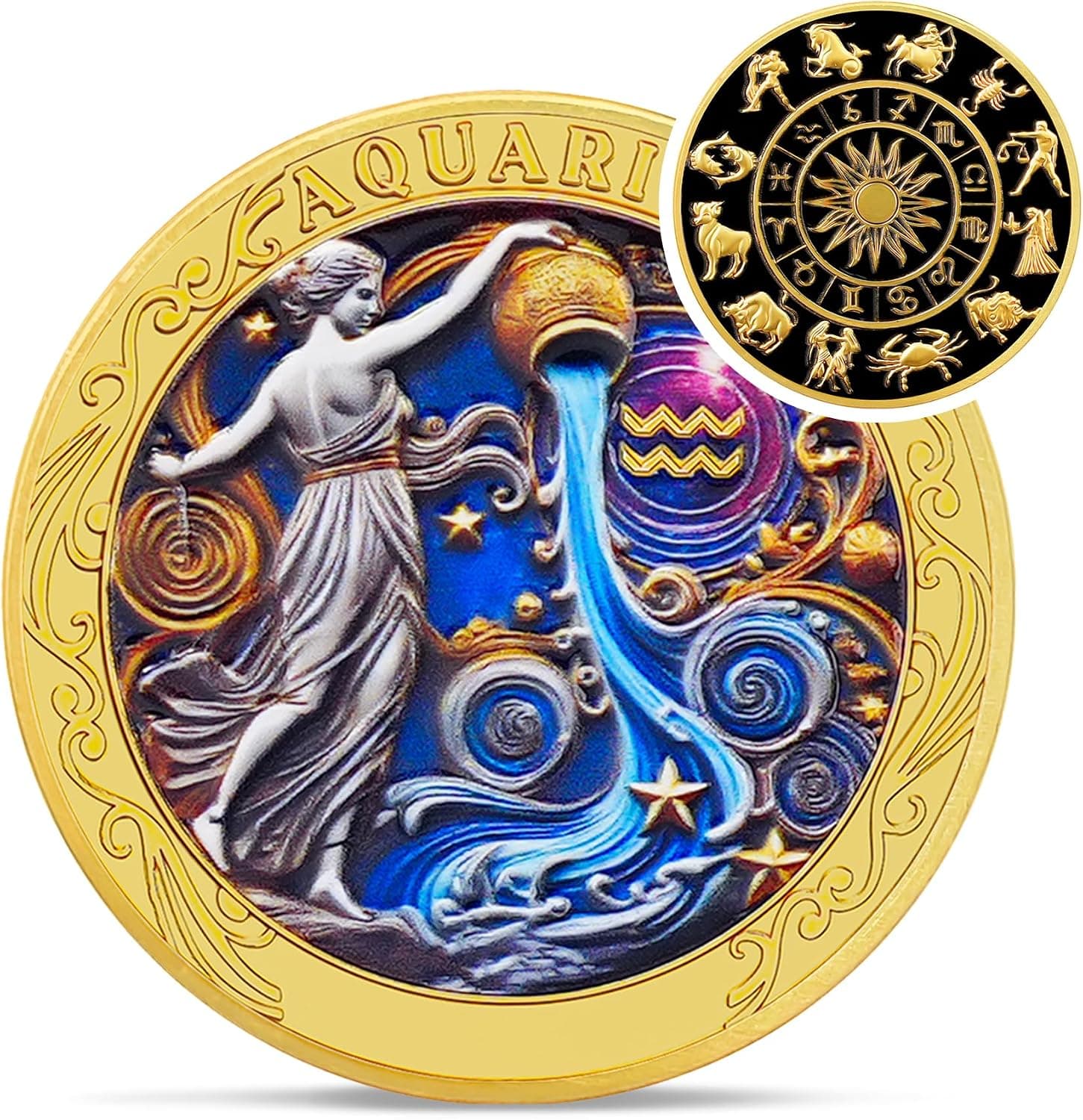 -20%
-20%Aquarius 12 Zodiac Challenge Coin - Twelve Constellations Aquarius Protective...
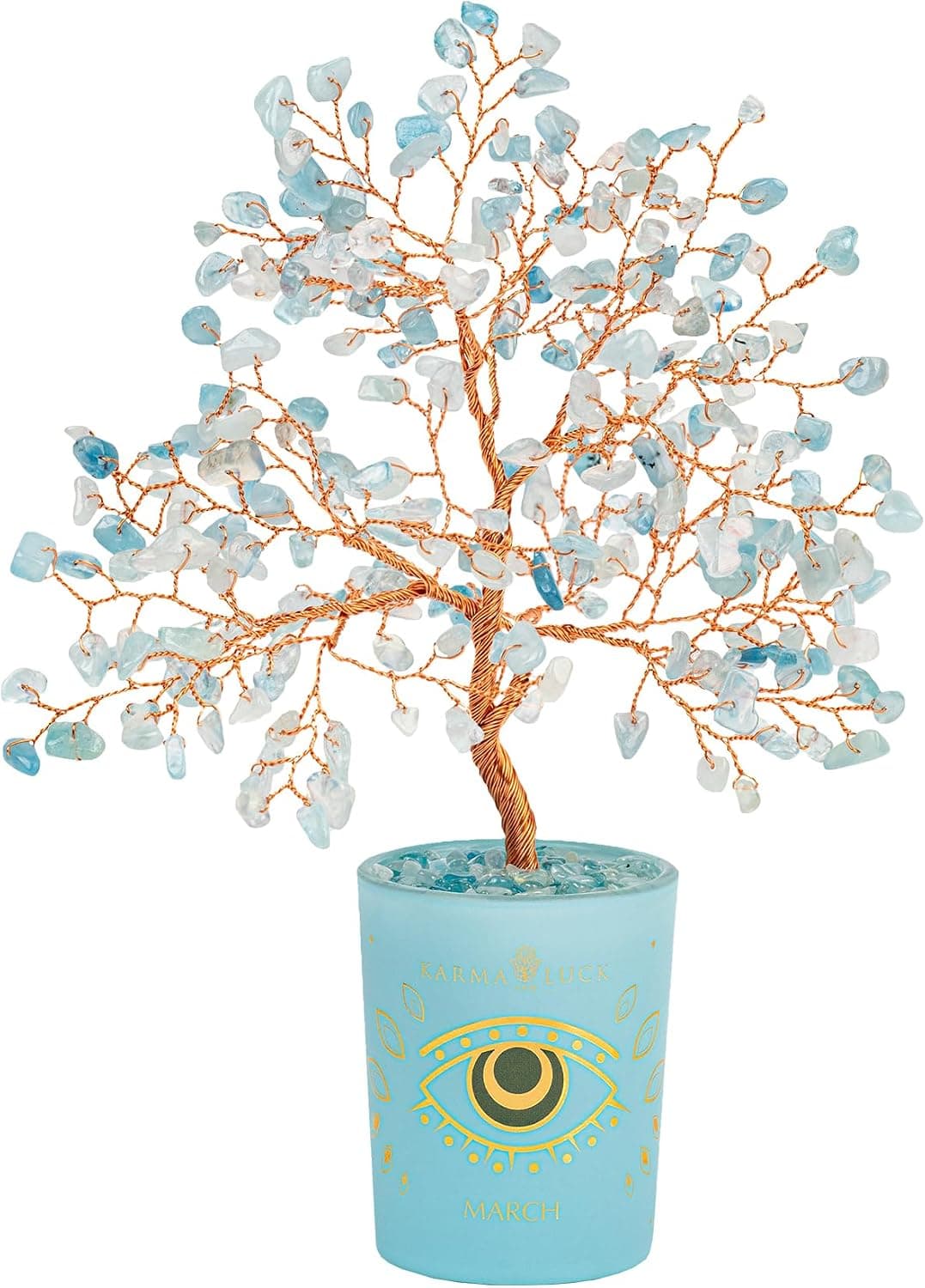 -29%
-29%Karma and Luck March Birthstone Crystal Tree of Life, Aquamarine Gemstone Fen...
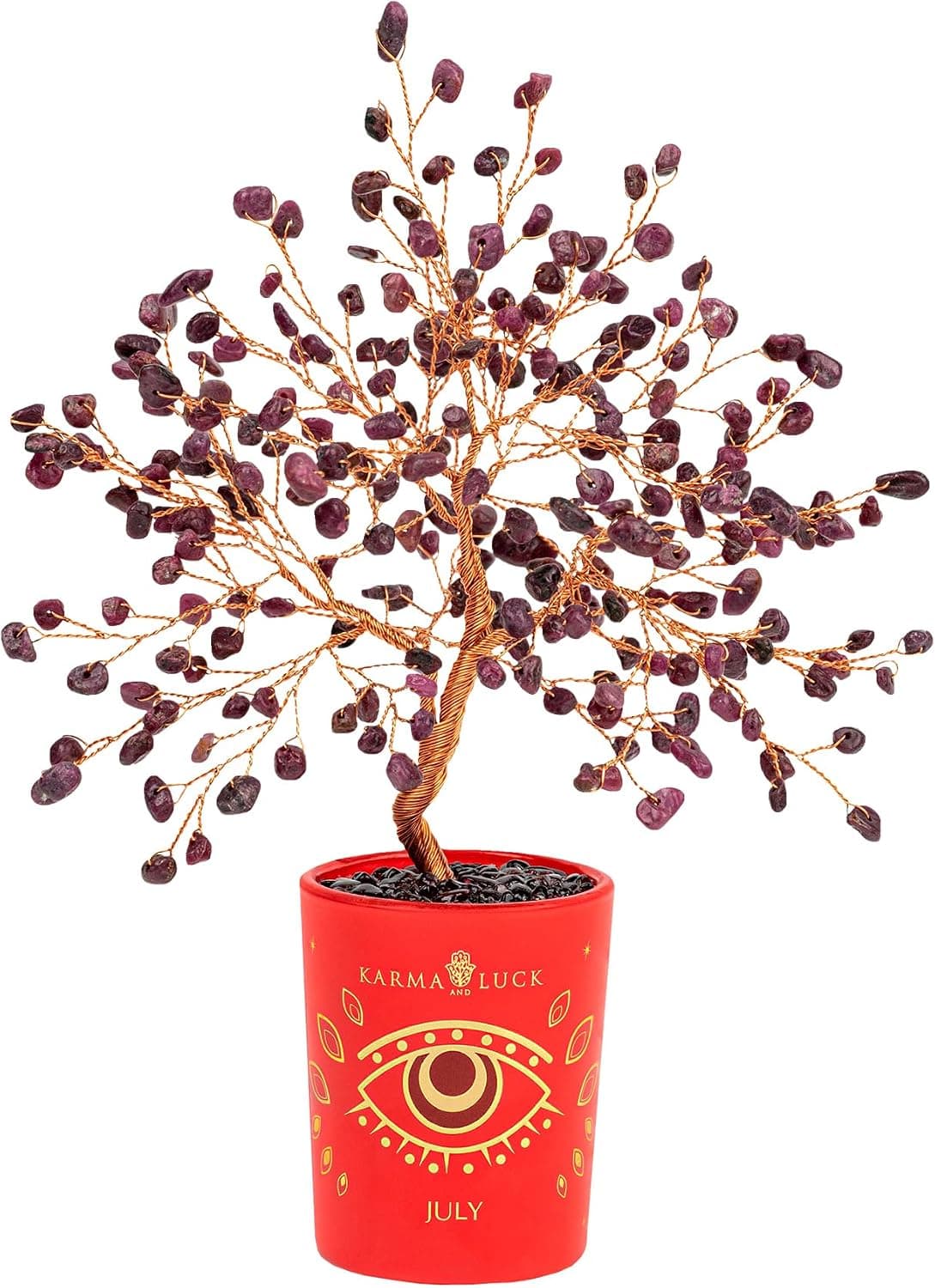 -29%
-29%Karma and Luck July Birthstone Crystal Tree of Life, Ruby Gemstone Feng Shui ...
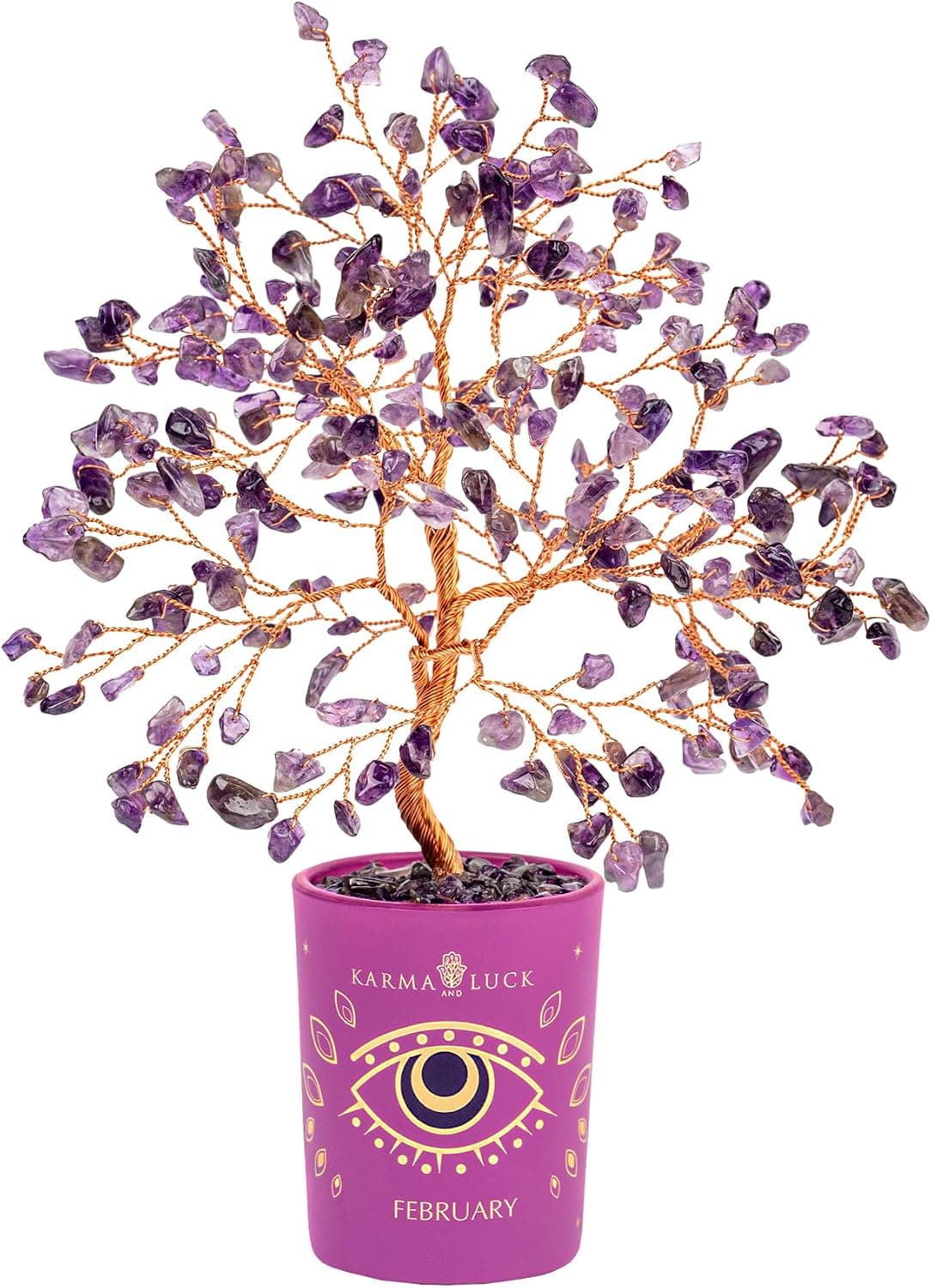 -29%
-29%Karma and Luck February Birthstone Crystal Tree of Life, Amethyst Gemstone Fe...
As an Amazon Associate, we earn from qualifying purchases. We only recommend items our practitioners have personally tested.
Continue Your Journey
Explore these related guides to deepen your understanding:

The I Ching Doesn't Answer Lazy Questions — Here's What to Ask Instead
8 min readConfucian Commentary Turns the I Ching Into a Moral Floor Plan
9 min readBroken Lines, Solid Lines, and the Real Yin-Yang Logic of the I Ching
11 min readThe Wilhelm I Ching Feels Deep Because It Slows Your Reading
11 min readReady for Deeper Guidance?
Try our free I Ching reading for personalized wisdom, or explore our curated Feng Shui essentials.