Hexagram 1 is not a pep talk. It is a test of timing, force, and whether your momentum is actually wise.
What did Hexagram 1 originally mean in Han reading practice?
If you received Hexagram 1 for a career move, a relationship question, or a project that feels ready to burst open, the first job is not to celebrate. The first job is to judge force. In Han dynasty reading practice, this hexagram pointed to a situation of concentrated, unbroken initiation: all six lines are solid, the upper and lower trigrams are both Heaven, and the whole figure rises like a straight ladder in clear air. That is why it can feel exhilarating. It is also why it can fool you.
The common modern habit is to read it as “great energy, therefore go.” That is too thin. It misses the older logic of patterned situations, where the question is never only about desire but about fit, season, and consequence. If you want the broader framework first, start with how the I Ching forms meaning through pattern. Hexagram 1 belongs to that system as a picture of pure yang before it becomes action in the world.
Imagine a strategist in an early imperial court standing before a campaign map. The goal may be noble. The army may be strong. But the real question is whether the moment is ripe, because force without timing becomes waste. That old setting is still useful today. A reader asking about a job change, a renovation, or a difficult conversation is not being told “do it” so much as “measure your momentum against reality.”
Six stacked solid lines create a visually unbroken vertical field. There is no break to hide in, no soft yin line to absorb pressure, no easy turn downward. It feels bright, dry, sharp, and upward-moving, like a clear sky at noon and the first hard lift of a climb. That is the emotional experience of the hexagram, and the psychology matters: people often mistake momentum for certainty. Hexagram 1 exposes that bias immediately.
The common belief says The Creative is permission. The classical view is stricter.
People hear “The Creative” and imagine charisma, leadership, ambition, and a strong start. Those qualities are not wrong, but they are incomplete. In the old reading frame, this hexagram does not praise personality. It describes directed force before form has settled, which means the quality of the action depends on discipline as much as confidence.
That distinction matters because confidence can be cheap. A person can feel charged, optimistic, and almost physically pushed forward by a decision, yet still be poorly timed. In psychological terms, Hexagram 1 is like high activation state paired with self-efficacy: the body wants to move, the mind wants to commit, and the danger is impulse control failure. The hexagram does not deny the energy. It asks whether you can hold it.
The classical view is stricter because it treats initiative as something that must earn its way into the world. Force is not enough on its own; it has to be regulated by judgment, sequence, and restraint. That is why Hexagram 1 is less about “go now” than about “can you sustain the shape of what you are starting?” A brilliant launch that burns hot and collapses in two weeks is not success in this tradition. It is unruled motion.
The philosophy behind this is simple and severe: potential is real only when it is enacted well. Not merely imagined. Not merely intended. Enacted well. That is why the Han interpretive tradition tends to treat hexagrams as situations with moral and strategic consequences rather than as labels for a person’s identity. The Creative is not “who you are.” It is the condition you are entering, and conditions demand skill.
In a small apartment, this can feel surprisingly concrete. I once saw a studio with one narrow west-facing window, a desk pushed against a bed frame, and a bright red storage bin sitting in the only open path. The occupant kept saying they felt ready to launch a side business, yet every work session ended in agitation. Nothing was “wrong” with the dream. The room simply mirrored the hexagram’s warning: energy was present, but direction was cramped. Once the desk was turned to face the window and the red bin moved out of the walkway, the person’s decisions slowed down just enough to improve.
Hexagram 1 often appears when someone already has the urge to act. Its message is rarely “find motivation.” Its message is “do not confuse heat with guidance.”
Why the Judgment and Image text matter more than the slogan
The Judgment of Hexagram 1 is famous because it compresses the whole issue into a few precise words: powerful origination, persistence, and the importance of proper timing. The image text adds another layer by describing movement that corresponds to the order of Heaven. Read that carefully. Heaven is not chaos. It is ordered motion. In other words, this hexagram is about initiative that follows a pattern larger than mood.
That is also why the stacked solid lines matter so much. They create continuity. No interruption. No descent. The shape itself says that a reading is being pushed toward fullness, but fullness is not the same as immediate action. It can mean the seed stage, the alignment stage, or the moment just before commitment when restraint is doing hidden work.
The Judgment and Image are more useful than the slogan because they tell you how to move, not just how to feel. “Creative” can sound like a personality trait, but the classical text is tracking sequence: when the force gathers, when it should be held, and when it can be released without distortion. Without that, readers project their mood onto the hexagram and miss the actual instruction.
When I read this hexagram for modern questions, I ask three things in order: is the force there, is the timing right, and can the person sustain the consequence? That sequence is old in spirit even if I phrase it plainly. It is also the only way to avoid turning the oracle into a motivational poster. If you want the question itself to be clean, the wording of your question matters more than most readers expect.
A second useful angle comes from the tradition around beginnings. Hexagram 1 is not isolated; it sits at the opening of the sequence because it models initiation before differentiation. If you want that larger context, the Book of Changes shows why beginnings carry their own law. The Creative is the first push, but the system immediately asks how that push survives contact with circumstances.
This is where people get uncomfortable. They want a verdict. The hexagram offers a process. It says the opening is alive, but the opening must be read against the season of the situation, not against ego.
How to use Hexagram 1 without rushing yourself
Start by reading the shape as ascent. Picture a ladder in open air. Each line rises in sequence, and each line therefore implies a stage of development. The lowest line suggests hidden power before visibility. The middle lines suggest movement under pressure, where talent can become useful but also exposed. The top lines suggest overextension if the drive continues without adjustment. That sequence is not decorative. It is the mechanism.
In practical terms, if the hexagram appears in a work question, I do not tell the reader to force the issue. I look for signs that their preparation already matches the opportunity. Do they have the support, the timing, the skill, the bandwidth? If yes, Hexagram 1 can be a green light. If not, it may be a signal to refine the plan quietly, because pure yang is strongest when it is not wasted on premature display.
For relationships, the hexagram becomes more delicate. A person may feel strong attraction and want to make the first move, send the message, or define the connection. Sometimes that is exactly right. Sometimes it is emotional overdrive dressed up as courage. The difference is subtle: genuine initiative leaves room for the other person’s response, while overdrive tries to eliminate uncertainty. One is creative. The other is controlling.
For self-development, Hexagram 1 usually asks for disciplined formation of habit rather than dramatic reinvention. A new reading practice, a training routine, a writing schedule, a morning ritual—these are all better expressions of the hexagram than grand declarations. Psychology backs this up: motivation lasts longer when it is bound to structure, because structure protects agency from mood swings. That is not mysticism. It is method.
When the hexagram is changing into something else, the change tells you what kind of force is emerging. A move from Hexagram 1 into a receptive or yielding pattern often suggests that initiative must become flexible. A move into a more challenging or friction-filled pattern suggests that drive will meet resistance and needs strategy. If you are new to those moving-line mechanics, this basic guide to reading the I Ching will help you avoid flattening everything into one-word meanings.
And if the question is specifically a yes-or-no issue, be careful. Hexagram 1 can sound like a clean yes, but classical reading rarely works that lazily. You still have to ask whether the yes is immediate, conditional, or delayed. For that kind of inquiry, a yes-or-no reading needs more nuance than a single upbeat answer.
In a north-facing bedroom I once examined, the bed sat directly under a high shelf loaded with heavy books and a brass lamp. The occupant had been interpreting repeated Hexagram 1 readings as a push to start a new partnership. But the room itself said something else: the body was under pressure, the head was overactive, and the appetite for action came from strain. After the shelf was cleared and the lamp moved to the side table, the same person described feeling “less eager and more certain.” That is the kind of difference classical reading is built to catch.
Where readers make mistakes, and why the hexagram is unforgiving
The first mistake is treating Hexagram 1 as a personality badge. It is not “you are a leader.” It is “the situation contains concentrated yang.” That difference seems small until you see how often people use the oracle to confirm self-image. The hexagram is far less interested in ego than in execution.
The second mistake is ignoring the rest of the reading because the first impression feels exciting. That is a fast way to miss the actual instruction. If the surrounding lines or resulting hexagram point toward delay, the Creative is telling you to prepare, simplify, or wait for a clearer opening. If you want to compare methods of reading without blending them together, the difference between I Ching and tarot is sharper than many people think.
One more practical caution: do not force this hexagram into every domain as a blanket promise of success. In apartments with limited square footage, overcommitment shows up quickly. Too many projects, too many objects, too many emotional obligations. Pure yang in a cramped space becomes pressure, and pressure without release turns into irritability. The oracle is not being negative when it warns you about that. It is preserving your force.
If you want a simple test, ask whether the moment feels open, ordered, and sustainable. Open means there is space for the move. Ordered means the move fits the situation rather than your anxiety. Sustainable means you can continue after the first burst of enthusiasm fades. Hexagram 1 approves the first step only when all three are present.
How do you know when The Creative is a green light?
It is a green light when the energy is matched by preparation, when the opening is real, and when your action can follow the shape of events instead of trying to bully them. That is the Han dynasty reading in plain language. It is not “be bold.” It is “be rightly bold.”
It asks for ascent without panic. Force without noise. Beginning without self-deception. That may sound less glamorous than modern spiritual language, but it is more useful, because it can survive contact with actual life.
When Hexagram 1 appears, I read it as an invitation to align will with timing. If the timing is there, move. If the timing is not there, prepare until it is. Either way, the hexagram has already done its work: it has separated raw desire from intelligent action.
The old readers would have recognized that immediately. So should we.
FAQ
Does Hexagram 1 always mean yes?
Not automatically. It often supports action, but classical reading still checks timing, context, and the resulting hexagram. A strong opening can still need patience if the situation is not yet fully formed.
Can Hexagram 1 appear in relationship questions?
Absolutely, and that is where it gets tricky. It may show real initiative, but it can also reveal emotional excess if one person is trying to force momentum before trust exists.
What is the practical meaning of all six lines being solid?
It means uninterrupted yang: a coherent upward force with no internal breaks. That creates power, but also pressure, so the reading needs attention to stage, not just strength.
How should a beginner respond when this hexagram appears?
Treat it as a message to align preparation with opportunity. If your setup is ready, act cleanly. If it is not, strengthen the foundation first, because the hexagram rewards disciplined beginnings more than dramatic ones.
David Liu
Traditionally informed guidance • Cross-referenced with classical Chinese source texts
Interpretations cross-referenced with the Zhouyi (周易) and Wilhelm/Baynes translation.
Practitioner-Selected Tools for This Topic
Items our team has tested and found effective for the principles discussed above. Individual results may vary.
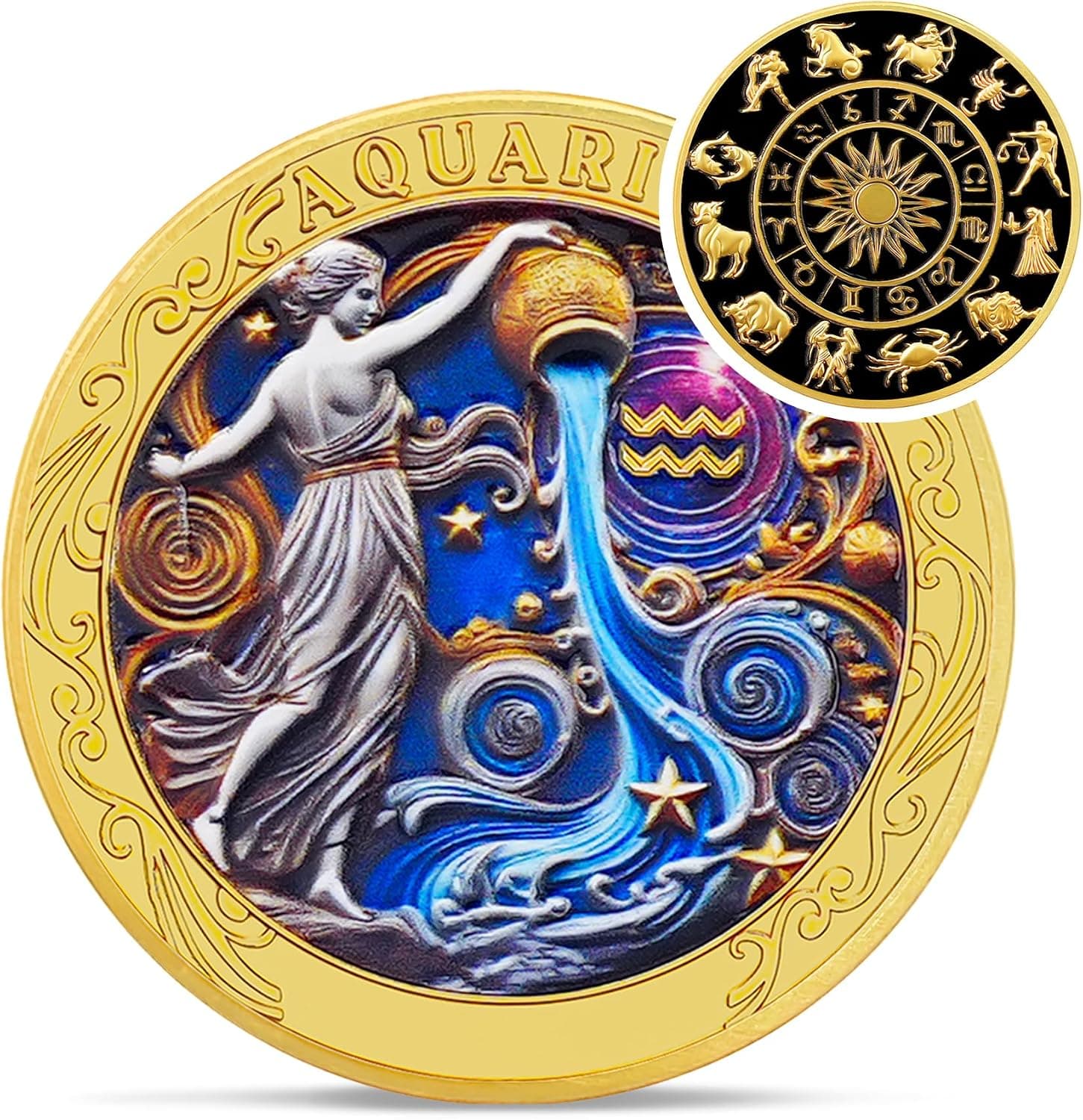 -20%
-20%Aquarius 12 Zodiac Challenge Coin - Twelve Constellations Aquarius Protective...
 -29%
-29%Karma and Luck March Birthstone Crystal Tree of Life, Aquamarine Gemstone Fen...
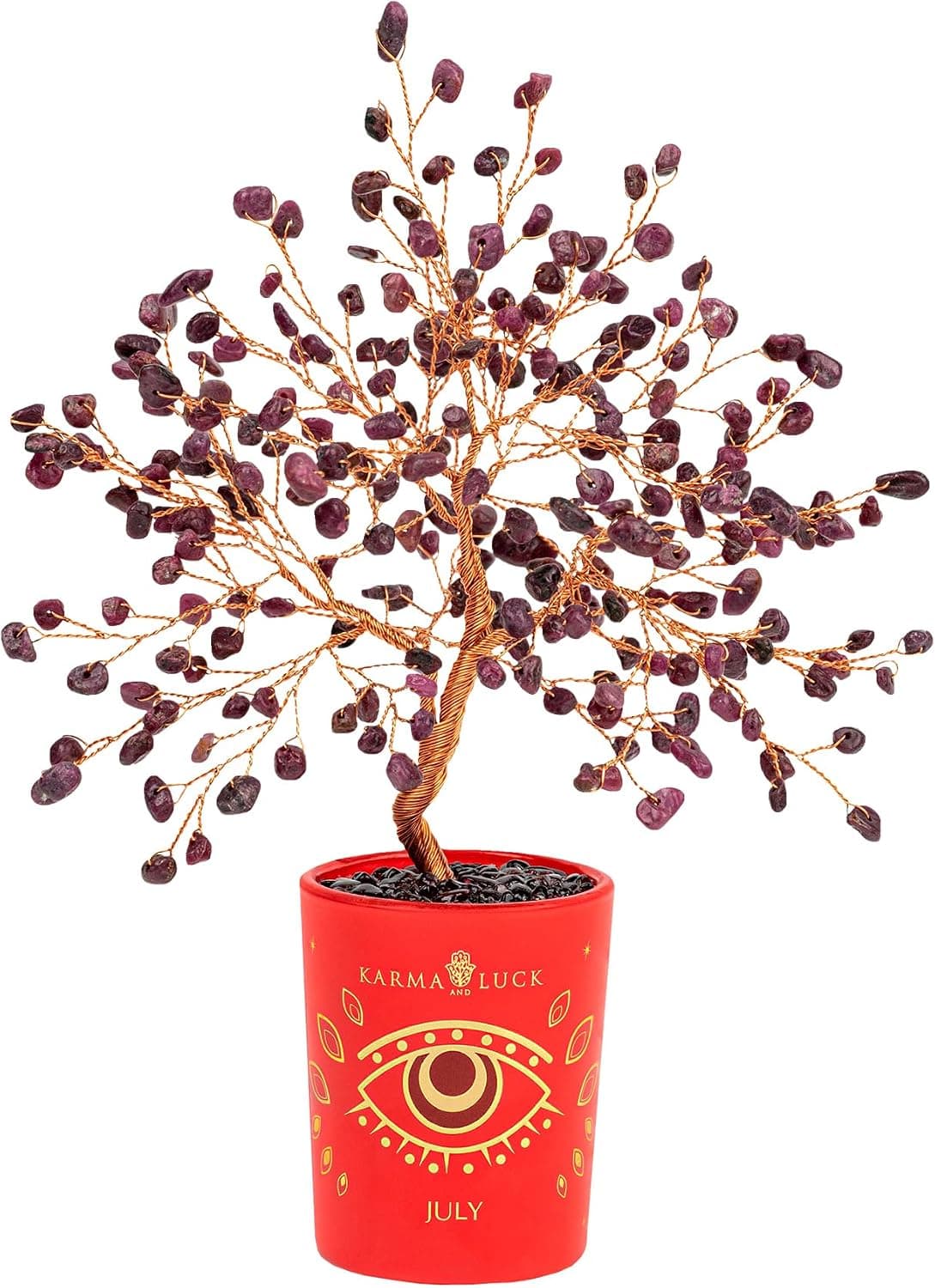 -29%
-29%Karma and Luck July Birthstone Crystal Tree of Life, Ruby Gemstone Feng Shui ...
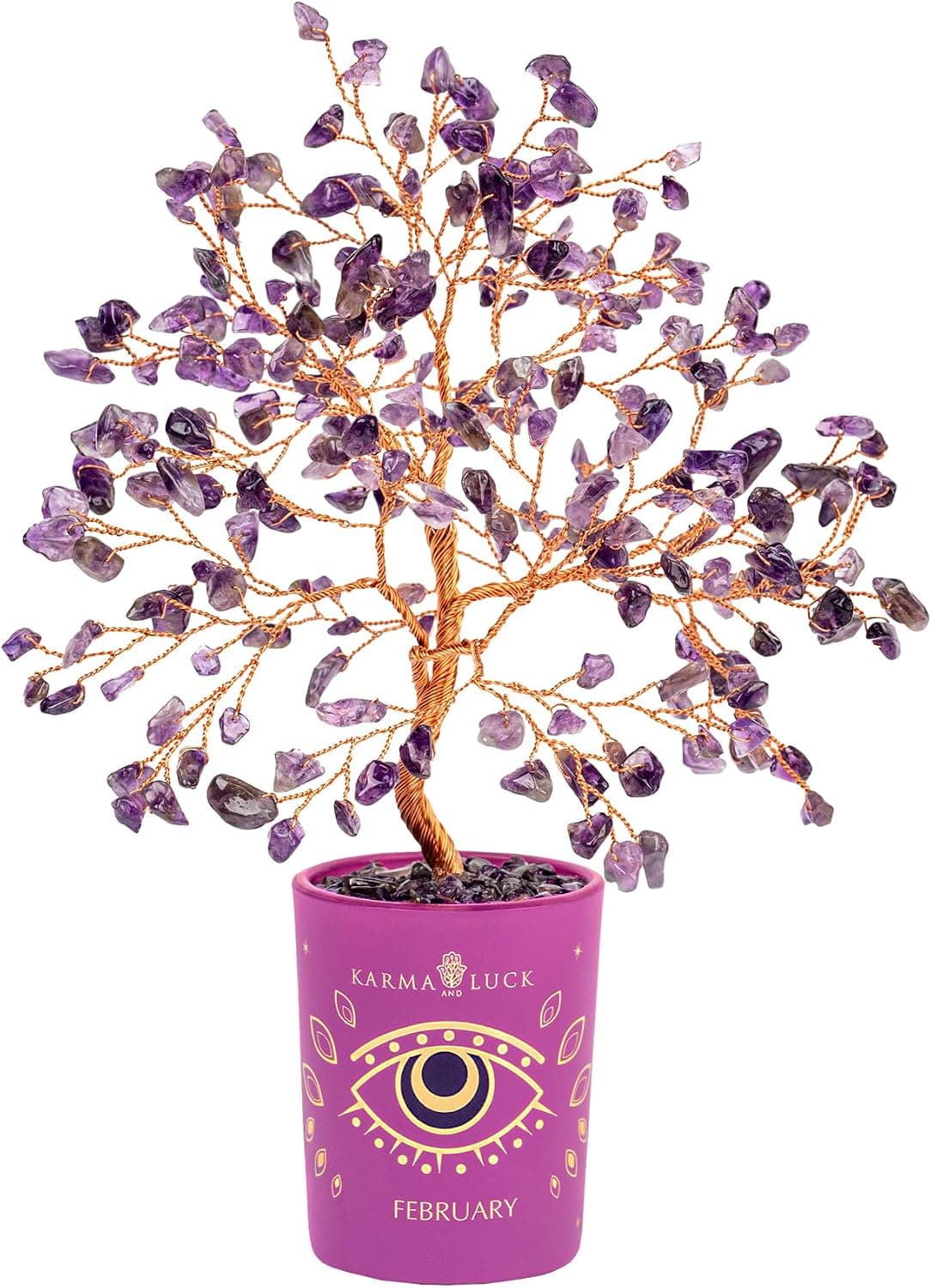 -29%
-29%Karma and Luck February Birthstone Crystal Tree of Life, Amethyst Gemstone Fe...
As an Amazon Associate, we earn from qualifying purchases. We only recommend items our practitioners have personally tested.
Continue Your Journey
Explore these related guides to deepen your understanding:

The I Ching Doesn't Answer Lazy Questions — Here's What to Ask Instead
8 min readConfucian Commentary Turns the I Ching Into a Moral Floor Plan
9 min readBroken Lines, Solid Lines, and the Real Yin-Yang Logic of the I Ching
11 min readThe Wilhelm I Ching Feels Deep Because It Slows Your Reading
11 min readReady for Deeper Guidance?
Try our free I Ching reading for personalized wisdom, or explore our curated Feng Shui essentials.