One wrong bedside table can throw the whole room off—and your sleep pays for it.
The bedroom is where balance shows up first
I walked into a master bedroom in Portland once and stopped at the door. A black metal bedframe, a red reading lamp, a glass nightstand, and a mirror facing the pillow were all competing for attention. The owner, a school administrator named Dana, said she woke at 3:10 a.m. almost every night. That room was not resting. It was arguing.
The mistake people make is thinking they need more cures. They do not. They need the room to stop sending mixed signals.
That is where a calmer fire presence matters, because sleep hates excess stimulation. Bright reds, sharp angles, and too much electronics near the bed can keep the nervous system on guard long after the lights go out.
I also see people overcorrect with pale colors and bland decor. A bedroom that is stripped of life can feel neat and still leave you restless. Balance is the point. Not emptiness.
Five element theory works best when you stop treating each element like a superstition and start reading the room like a map. Wood wants growth. Fire wants expression. Earth wants stability. Metal wants clarity. Water wants rest. A bedroom should lean toward Earth and Water, with just enough Metal to keep things clean and settled.
What the bedroom is actually asking for
People often ask me whether they should avoid one element entirely. That is the wrong question.
The better question is: which energy is loudest, and which one is missing?
In bedrooms, Fire is often too loud. A crimson throw, an orange accent wall, a glowing TV, and a charging station by the pillow can create a kind of sleepless cheerfulness that looks harmless in daylight and feels agitating at 2 a.m. Water may be absent, shown by no dark tones, no softness, no sense of depth. Earth may also be weak if the room has too many mirrors, too much glass, or furniture with spindly legs that never quite feels grounded.
Metal is useful here, but only when it is disciplined. Think rounded lamp bases, simple frames, a white ceramic bowl for jewelry, or a clean metal reading light. Not a showroom. Not a hospital. Just enough crispness to let the mind unclutter.
Wood belongs in small doses. A live plant can help if the room has room for it, but a jungle of leafy growth in a sleeping space often pushes the energy upward. One healthy plant is a conversation. Five plants become a committee.
Water is usually the most misunderstood element in bedrooms. People hear “Water” and imagine fountains, blue walls, or nautical decor. That is too literal. In a sleeping room, Water is stillness, depth, and the feeling that the room can absorb your tension instead of bouncing it back at you.
How to read the room without guessing
Start with your bed. It is the anchor.
Look at the headboard, the materials around the bed, and what your eyes hit first when you lie down. If the first thing you see is a mirror, a TV screen, or a cluttered shelf, the room is waking you up before you are ready.
Then check the balance of hard and soft. Too much hard surface creates a brittle mood. Too many soft things without structure can feel foggy. I want a bedroom that can hold you and also define you. That is a subtle difference, but you feel it immediately.
One of the fastest tests is sound. Stand in the room, clap once, and listen. If the room feels echoey, you probably have too much Metal or too little softness. If it feels heavy and muffled, Earth may be overdone. That does not mean you need to chase symbolism. It means the room is telling you what the body already knows.
Color matters, but not in the cartoonish way social media sells it. A dusty blue can behave very differently from a harsh navy. A warm taupe can do more for rest than a trendy gray. I have seen bedrooms painted “calming” white that felt colder than a hallway and rooms with muted clay walls that settled people within minutes.
When people ask about the bedroom and energy flow, I point them to the relationship between form and function. A beautiful object that blocks movement near the door is still a problem. A symbolic cure that sits in the wrong place is still a bad arrangement. Placement beats purchase every time.
You can also use the elements through texture. Linen softens Fire. Wool strengthens Earth. Linen curtains with a wooden curtain rod and a simple ceramic lamp often do more than a shelf full of crystals. Yes, crystals can be beautiful. No, they are not a substitute for a room that makes sense.
Exact adjustments that work in real homes
Begin with the bed position. If possible, place the headboard on a solid wall and avoid lining it up directly with the door. That simple move gives the body more protection and reduces the feeling of being exposed.
Then remove obvious Fire triggers from the bedside. Swap a bright red lamp shade for an off-white one. Move the TV out if you can. If you cannot, cover it at night. Small act. Big shift.
Next, strengthen Earth. Add one grounded piece: a low wooden bench, a wool rug, or a pair of substantial nightstands that do not wobble visually. In a guest room I worked on for a retired architect named Helen, we replaced a tall chrome table with a pale oak nightstand and exchanged a hot pink quilt for a sand-colored linen cover. She emailed two weeks later to say she was falling asleep faster and waking once instead of three times.
After that, use Metal with restraint. A simple round mirror outside the direct line of the bed, a white lamp, or a brushed metal drawer pull can bring order. The key is keeping Metal clean rather than sharp. Sharpness has a way of turning a resting room into a problem-solving room.
For Water, choose one or two darker anchors if the room feels too airy. A deep blue cushion, a charcoal throw, or a dark framed artwork can quiet the space. Do not overload the room with navy everything. That creates a cave, not a sanctuary.
If Wood is missing, add it gently. A plant with soft leaves, a wooden tray, or an actual natural wood finish can bring life without making the bedroom feel active. I prefer one honest wooden object over ten decorative accessories pretending to be nature.
One more thing: check the bedside clutter. If your nightstand holds medicine bottles, receipts, three chargers, a half-read book stack, and a candle you never light, the room is carrying unfinished business. Bedrooms dislike unfinished business. Clear the top. Keep only what truly belongs there.
How this connects to the larger system
If you want the bedroom to work, you cannot treat it as an island. It sits inside the home’s larger pattern, and the five-element lens becomes more accurate when you compare room to room.
That is why I often send people to study wood tones and decor choices separately. When you understand how Wood behaves in the rest of the house, you stop forcing it into the bedroom in a way that keeps the mind too active.
The same applies to money energy. A home can have a beautiful bedroom and still feel financially scattered if the wealth areas are underfed. I have seen this more than once: a restful sleep space upstairs, a chaotic desk downstairs, and a constant sense that life is never quite landing. The room is not the whole story. It is one chapter.
And if you are working with the larger house pattern, review the wealth side of the element cycle so you are not solving one area while neglecting another. Balance is not a slogan. It is a chain of decisions that either support each other or cancel each other out.
What people usually get wrong
They shop before they observe.
They buy blue bedding because a blog said blue is calming. They place a mirror because a store display looked elegant. They add a plant because they heard it “purifies energy.” Then they wonder why the room still feels unsettled. Pretty is not the same as balanced.
Another common mistake is thinking the element with the most color is the one you need to fix. Not always. Sometimes the room is overloaded with form, not hue. A bedroom full of angular furniture, strong symmetry, and reflective surfaces can feel over-controlled even in neutral colors.
Also, do not assume a room with “natural” decor is automatically healthy. Bamboo, rattan, and wood are not magic if they are crowded, poorly placed, or visually noisy. I have seen beautiful rooms that exhausted people because every surface was trying to impress someone.
Here is the part many Western readers appreciate once they see it: this system is not about obeying rules. It is about noticing effects. If a change improves sleep, softens tension, and makes the room easier to enter at night, keep it. If it does nothing, stop romanticizing it and move on.
FAQ
Should a bedroom contain all five elements?
A bedroom can contain all five, but not in equal strength. The room should lean toward Earth and Water, with measured Metal, light Wood, and very little Fire. Equality is not the goal; suitability is.
What if my bedroom has a lot of red already?
Start by reducing the visual weight, not repainting immediately. Replace one red item with something neutral or soft, then watch the sleep quality for a week. Small changes reveal more than dramatic makeovers.
Can I use five element theory without knowing my personal chart?
Surprisingly, yes. Room balance comes first, because a badly arranged bedroom can bother almost anyone. Personal chart work refines the result later, but the space itself still has to support rest.
Do mirrors always create problems in bedrooms?
No, but placement matters more than people expect. A mirror facing the bed tends to activate the room at the wrong time, while one positioned out of direct view may be harmless. The effect is practical before it is symbolic.
Mei Chen
Traditionally informed guidance • Cross-referenced with classical Chinese source texts
Five Elements analysis based on traditional Wuxing (五行) theory from the Shujing (書經).
Practitioner-Selected Tools for This Topic
Items our team has tested and found effective for the principles discussed above. Individual results may vary.
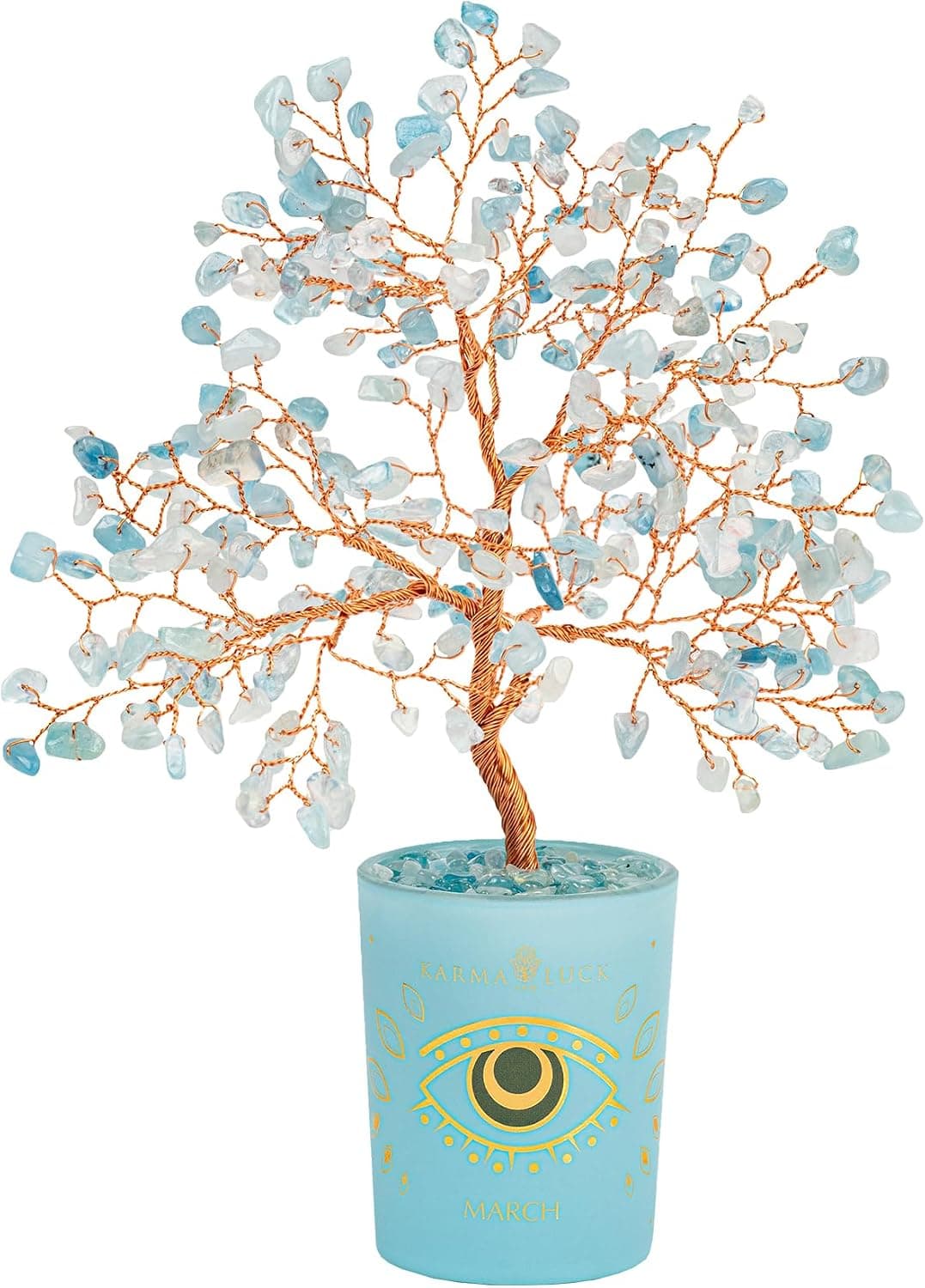 -29%
-29%Karma and Luck March Birthstone Crystal Tree of Life, Aquamarine Gemstone Fen...
 -29%
-29%Karma and Luck July Birthstone Crystal Tree of Life, Ruby Gemstone Feng Shui ...
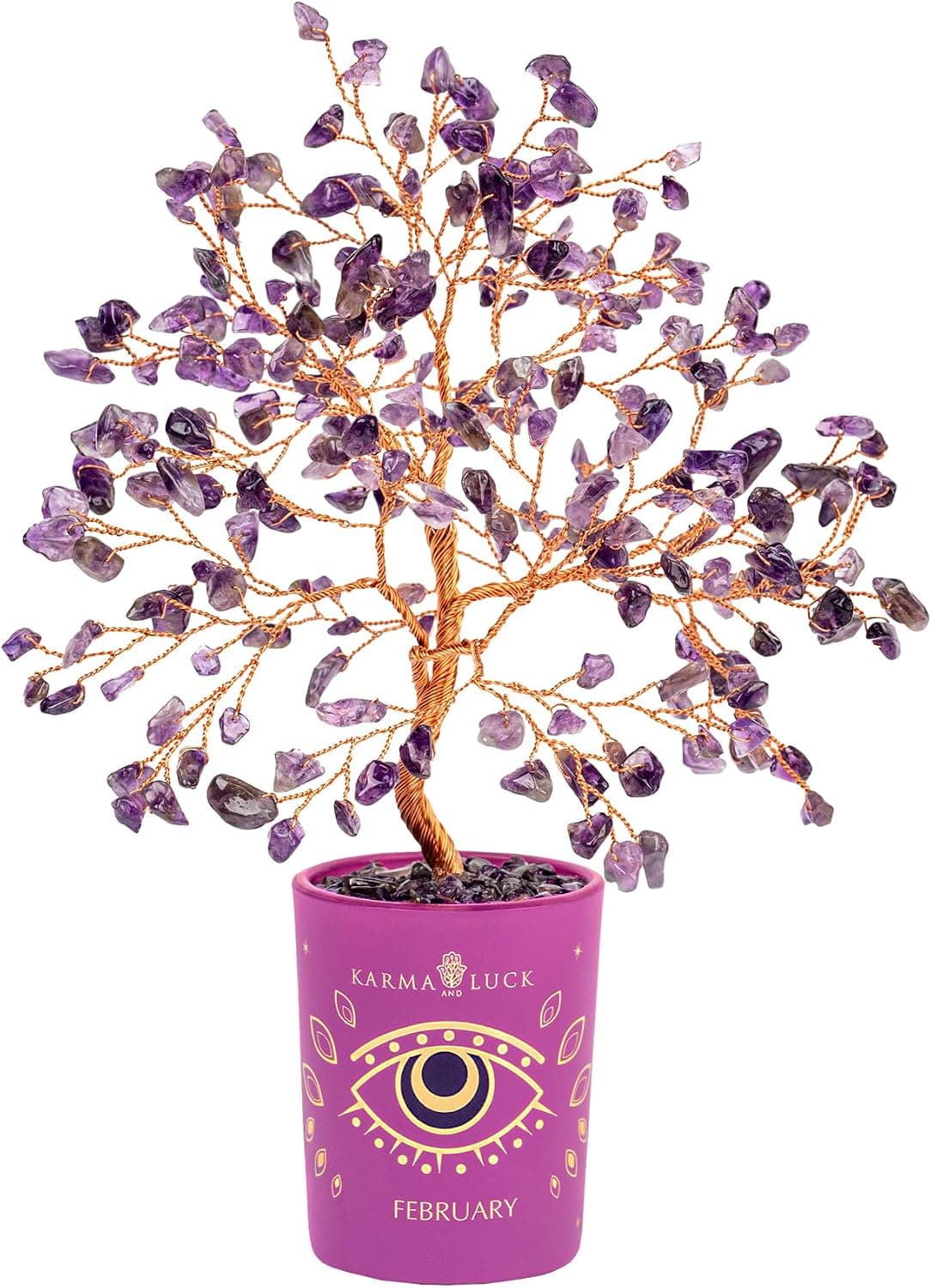 -29%
-29%Karma and Luck February Birthstone Crystal Tree of Life, Amethyst Gemstone Fe...
 -7%
-7%Woodstock Chimes Signature Collection, Crystal Tree of Life Chime, 19'' Decor...
As an Amazon Associate, we earn from qualifying purchases. We only recommend items our practitioners have personally tested.
Continue Your Journey
Explore these related guides to deepen your understanding:
Ready for Deeper Guidance?
Try our free I Ching reading for personalized wisdom, or explore our curated Feng Shui essentials.