A mirror in an alcove can settle a room—or make it restless. The difference is usually a foot, not a philosophy.
Beyond the Surface of Feng Shui Crystal Ball Placement Window
The popular narrative around Feng Shui Crystal Ball Placement Window doesn't hold up under scrutiny. People hear “window” and think the cure belongs right on the glass, as if light alone does the job. That sounds tidy. It also fails in many rooms.
I walked into a narrow study in Portland last winter where a teacher had placed a faceted crystal ball on the sill above a black radiator. She had followed every piece of conventional advice she could find: east-facing light, clear line of sight, nothing blocking the bounce. By 3 p.m., the room felt twitchy. Her shoulders tightened, the cat avoided the corner, and the yellow notebook she kept on the desk started gathering dust because she kept leaving the room before finishing a page.
The mistake was not the crystal. It was the location. A window is not automatically a good home for reflected light, and a recessed niche changes the whole equation. In a shallow alcove, the sphere can soften a pocket of stagnant air without throwing visual noise across the room. That difference matters more than people expect.
Look at the architecture first, not the object. A set-back bay, a deep sill, or a window flanked by built-in shelves creates containment; a bare pane over an active corridor does not. Search for the quiet pocket, then test whether the glass sphere settles it. Not the other way around.
For a deeper map of how rooms organize themselves, mapping the bagua without overthinking it helps you see which part of the room is actually taking the strain. And if you keep getting the mirror-versus-crystal question wrong, clear quartz placement that produces results shows why transparency and reflection are not interchangeable. The room tells you which one it wants.
Why the Window Rule Became Popular
The standard advice has a simple logic: sunlight enters, facets scatter it, the room wakes up. Clean theory. Easy to repeat. The problem is that many people copied the effect without checking the container.
In older homes, a window often sat inside a thicker wall with a deep reveal, a wooden frame, and heavier curtains. That recess calmed the movement at the glass. Modern apartments give you a pane, a thin frame, and a view of traffic or a neighbor's laundry line. Hang a crystal ball there and you may be energizing visual chatter instead of balancing it. The cure starts bouncing off moving cars, flashing headlights, or the white glare from an opposite building. Suddenly the mind has more to track, not less.
So the rule became broader than the reality. People saw one bright room and assumed brightness itself was the medicine. Wrong.
That is why alcoves matter. They interrupt the straight blast of incoming yang and create a smaller chamber where the sphere can do subtler work. In a recessed breakfast nook, for example, a crystal ball near the inner edge of the opening can scatter light across the ceiling without turning the whole wall into a shimmer machine. The room feels held. The desk chair gets used. The stack of mail stops migrating to the floor.
Searches for turning a bedroom into a sanctuary usually focus on bed position and color, but the same principle applies to any small recess: containment first, cure second. And when a room already runs hot, fire energy at home that won't settle explains why extra sparkle can make things edgy instead of calm. Not every window wants more light.
What the Alcove Changes in Practice
An alcove does three things that an open wall cannot. It reduces visual spill, it slows airflow, and it gives the eye a stopping point. Those are not mystical claims; they are how rooms feel to real bodies.
Visual spill is the easiest to see. A ball placed flush against a busy window can create highlights everywhere: the frame, the floor, the nearby lamp, the stack of books on the side table. Put the same sphere six to ten inches back inside a recess, and the sparkle stays contained. The effect becomes readable instead of frantic.
Airflow matters too. In a drafty sash window, a hanging object or a tabletop sphere can turn into a tiny weather vane. That constant movement makes a room feel unsettled even when nothing is visibly wrong. In an alcove, the air slows. The crystal can sit still long enough to be useful.
Then there is attention. Humans relax when the eye knows where to land. An underused niche gives the eye edges, shadows, and a clear boundary. Put a crystal ball there and you get a small field of order. Put it in the middle of a busy sash with sun glare and street motion, and the mind keeps checking for the next flash. No one rests there. No one studies there. The object becomes decoration, not remedy.
I've seen this in a condo dining alcove with pale sage walls, a walnut shelf, and a round glass sphere on a brass stand. The owner moved it from the main window to the recess between two built-ins, about eight inches from the frame. Within a week, the room stopped feeling like a hallway with chairs. Meals lasted longer. The radio stayed on low. The space finally had a center.
For rooms that already feel too exposed, your apartment has too much yang energy gets at the larger pattern: too much movement, too little containment. If the window is part of the problem, the alcove is usually the first place I test.
How to Place It Without Creating a Light Trap
Do not jam the sphere against the glass. That is the fastest way to turn a useful object into glare. Give it breathing room. Three to twelve inches from the window plane is often enough, depending on the depth of the recess and how strong the daylight is.
Height matters more than people think. Set it slightly below eye level if the niche is shallow. In a deeper alcove, raise it so the light can arc over the top edge of the recess instead of punching straight out. A small wood stand, a ceramic dish, or a low brass base can change the whole mood. Glass on bare sill? Fussy. Glass on a grounded base? Quiet.
Orientation is subtle. If the alcove faces a street with traffic, angle the sphere so it catches softer side light rather than the direct blast of headlights or afternoon sun. If the recess faces a garden, you can be a little more generous because the moving image outside is calmer. If the window looks onto another building, especially one with mirrors, blinds, or a bright white wall, keep the crystal farther inside the niche. You want to dilute the glare, not multiply it.
And don't ignore what sits beside it. A pile of receipts, a phone charger, or a half-dead succulent ruins the whole thing. The cure may be small, but the surrounding surface still speaks louder than the object. Keep the area clean, then let the crystal do less, not more.
For people who like technical checks, reading a feng shui compass wrong is often the hidden reason a placement feels off. A recess can be brilliant in one sector and wrong in another, especially if the room already carries a sharp draft line or awkward sightline. And if you want to compare how the sphere behaves against other materials, metal and water decor that makes a room feel complete shows why reflective objects need a supportive context.
Where the Advice Backfires
Open windows with no architectural depth are the first trap. People hear “place it in sunlight” and assume any bright opening will do. In a loft with floor-to-ceiling glass, the sphere can become a nuisance because it competes with too much motion outside. The result is jittery focus, not clarity.
Bedrooms are another common failure point. A sparkling object aimed directly at the bed can wake the mind long after the light is gone. I've seen a navy throw, a white ceramic lamp, and a crystal ball on a bedroom sill create exactly that problem in a guest room: the occupant slept lightly for three nights, then moved the object to a recessed reading nook and settled down. The sphere was fine. The line of sight was not.
Hallways pretending to be alcoves cause trouble too. A shallow niche at the end of a corridor looks inviting until you notice that everyone walking past keeps catching it in peripheral vision. The room never settles. It stays in transit. That's a bad home for a reflective cure.
There is also a habit of over-reliance. One object cannot rescue a room with broken furniture layout, poor airflow, and a cluttered sill. People love the fantasy of a single fix. The space laughs at that.
That is where the myth finally cracks. The crystal ball doesn't work because it is near a window; it works when the window is already doing part of the job and the alcove lets that work become coherent. If the room is loud, the sphere only makes the noise prettier.
For examples of related placement errors, money corner mistakes that quietly undo the setup shows the same pattern in another part of the home: a good object in the wrong container becomes cosmetic. And if the room is already making you tense, bedroom rules that affect both sleep and relationships will probably explain why the problem is bigger than one shiny item.
Reading the Room Before You Touch the Object
Start with a simple test. Stand in the alcove at two different times: once in morning light, once near dusk. Watch where your eyes go first. If they land on the window, the recess may be too empty. If they bounce around the frame, the glass is probably too active. If they settle on the sphere without strain, you may have found the right pocket.
Next, notice what the body does. Do your shoulders drop, or do you keep turning your head toward the street? Does the room invite a chair, or does it ask you to pass through and leave? Those responses tell the truth faster than any generic rule.
Then change one thing at a time. Move the sphere four inches inward. Swap a bright metal stand for a matte one. Pull the curtain halfway across and compare the mood. This is not decoration theater. It's calibration.
A real alcove advantage shows up when the surrounding life gets easier. People stay at the desk longer. Conversations in the adjacent room stop feeling clipped. Sleep can improve if the sphere is no longer flashing across the bed from a nearby angle. Small shifts, yes. Still measurable.
Someone followed all the standard window advice in a west-facing lounge with cream walls, a blue velvet chair, and a crystal ball hanging from clear fishing line. The afternoon sun made the object glitter like a disco ball, and the whole room started feeling impatient. She moved it into a recessed bookshelf opening beside the window, set it on a low ash tray, and the room settled within a day. That is the kind of correction people resist because it looks too ordinary.
For deeper timing and seasonal context, 2026 flying stars need different remedies room by room reminds you that placement is never divorced from the annual pattern. One year rewards the alcove; another punishes the same spot. The house keeps changing even when the crystal does not.
FAQ
Is conventional Feng Shui Crystal Ball Placement Window advice reliable?
Often not. The advice assumes every window behaves the same way, and that is simply false. A recessed opening, a drafty corridor, and a floor-to-ceiling pane all create different conditions, so the object can either calm the room or stir it up.
Should the crystal ball always go on the sill?
No. A sill is only one option, and often not the best one. In an alcove, placing it slightly inside the recess usually gives the room more coherence because the light is contained instead of scattered everywhere.
What size works best in a small niche?
Surprisingly, smaller is often better. A sphere that is too large can dominate the recess and turn the corner into a display case. A modest ball on a low stand usually lets the architecture do the heavy lifting.
Can I use this in a bedroom?
Yes, but be stricter. Keep it away from direct sightlines to the bed and avoid strong afternoon sun. A bedroom alcove near a side window can be useful if the effect stays soft and doesn't wake the eye.
What if my window has no alcove at all?
Then stop forcing the issue. Use a nearby recessed shelf, a bookcase opening, or another contained corner that receives indirect light. The room may be telling you to work with depth, not chase the glass.
Does the type of crystal matter here?
Absolutely, because different cuts and clarity levels throw different kinds of light. A highly faceted piece will behave more actively than a smoother sphere. If the room is already restless, the quieter version usually wins.
In a quiet apartment at dusk, the sphere inside the alcove catches one strip of amber light and throws it onto the ceiling, just once, before the room darkens. What does that tell you about the window—and what it still wants from the wall beside it?
Mei Chen
Traditionally informed guidance • Cross-referenced with classical Chinese source texts
Rooted in classical Chinese metaphysics and cross-referenced with original texts. Product recommendations are based on traditional symbolism, not guaranteed outcomes.
Practitioner-Selected Tools for This Topic
Items our team has tested and found effective for the principles discussed above. Individual results may vary.
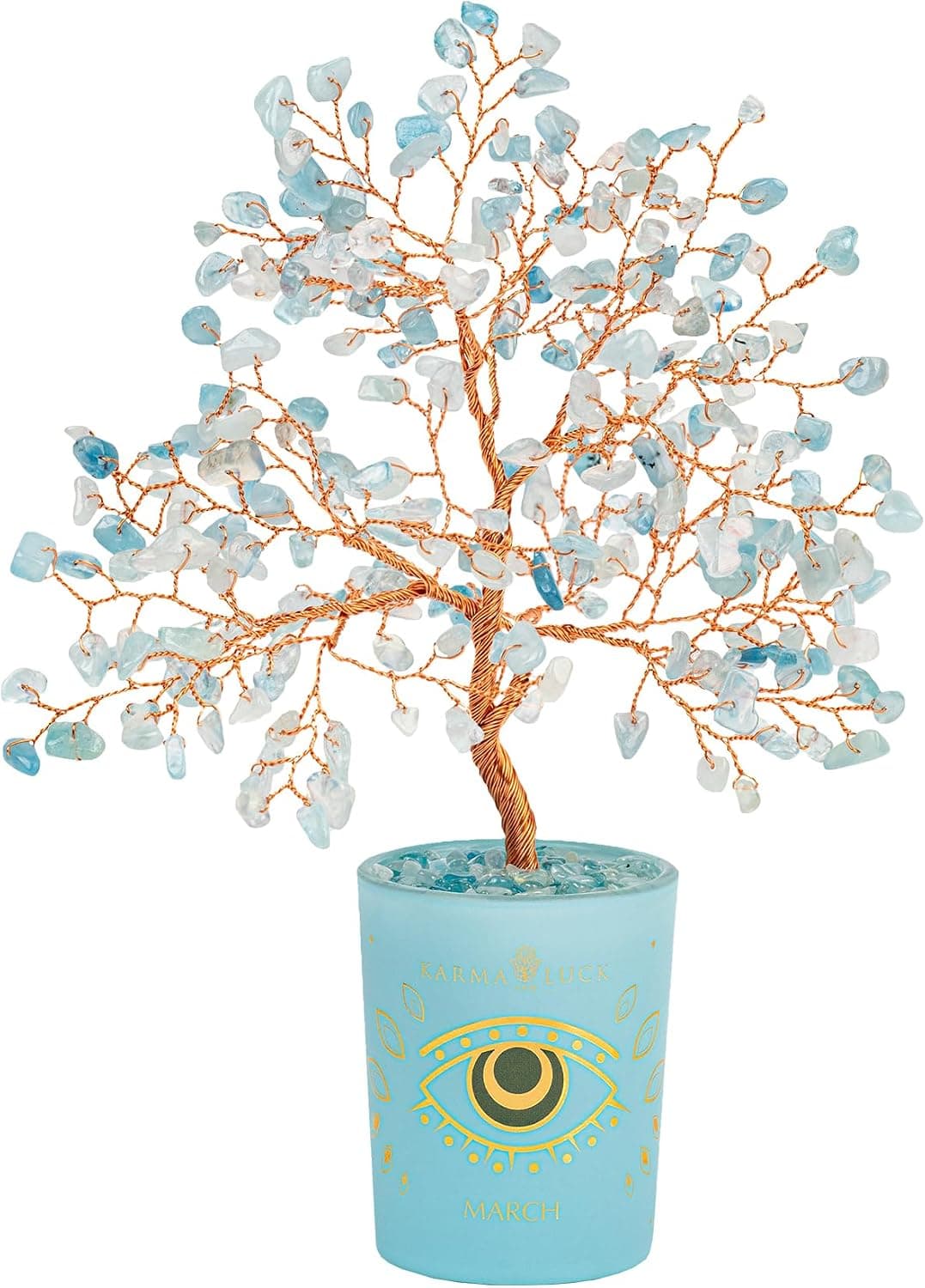 -29%
-29%Karma and Luck March Birthstone Crystal Tree of Life, Aquamarine Gemstone Fen...
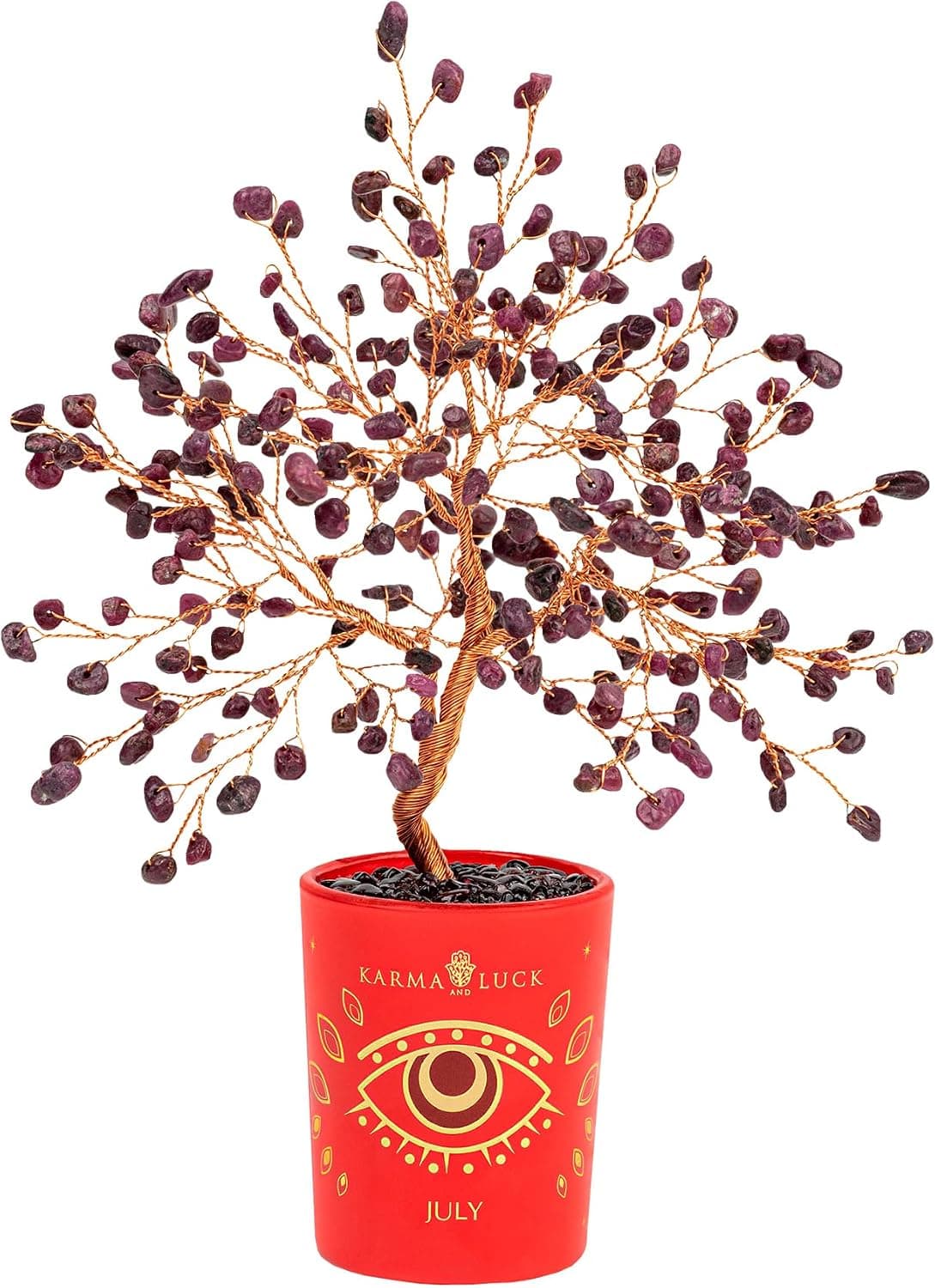 -29%
-29%Karma and Luck July Birthstone Crystal Tree of Life, Ruby Gemstone Feng Shui ...
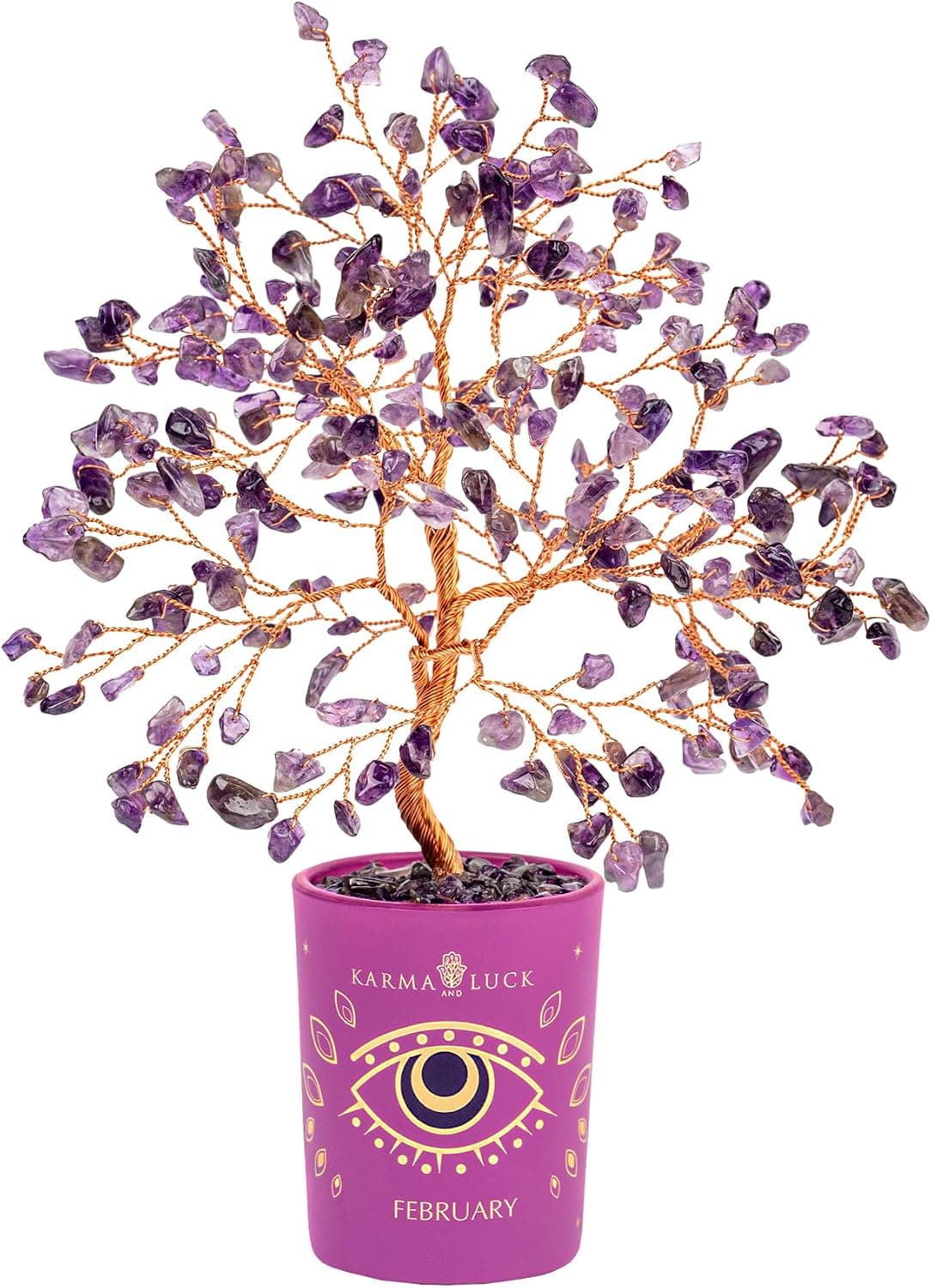 -29%
-29%Karma and Luck February Birthstone Crystal Tree of Life, Amethyst Gemstone Fe...
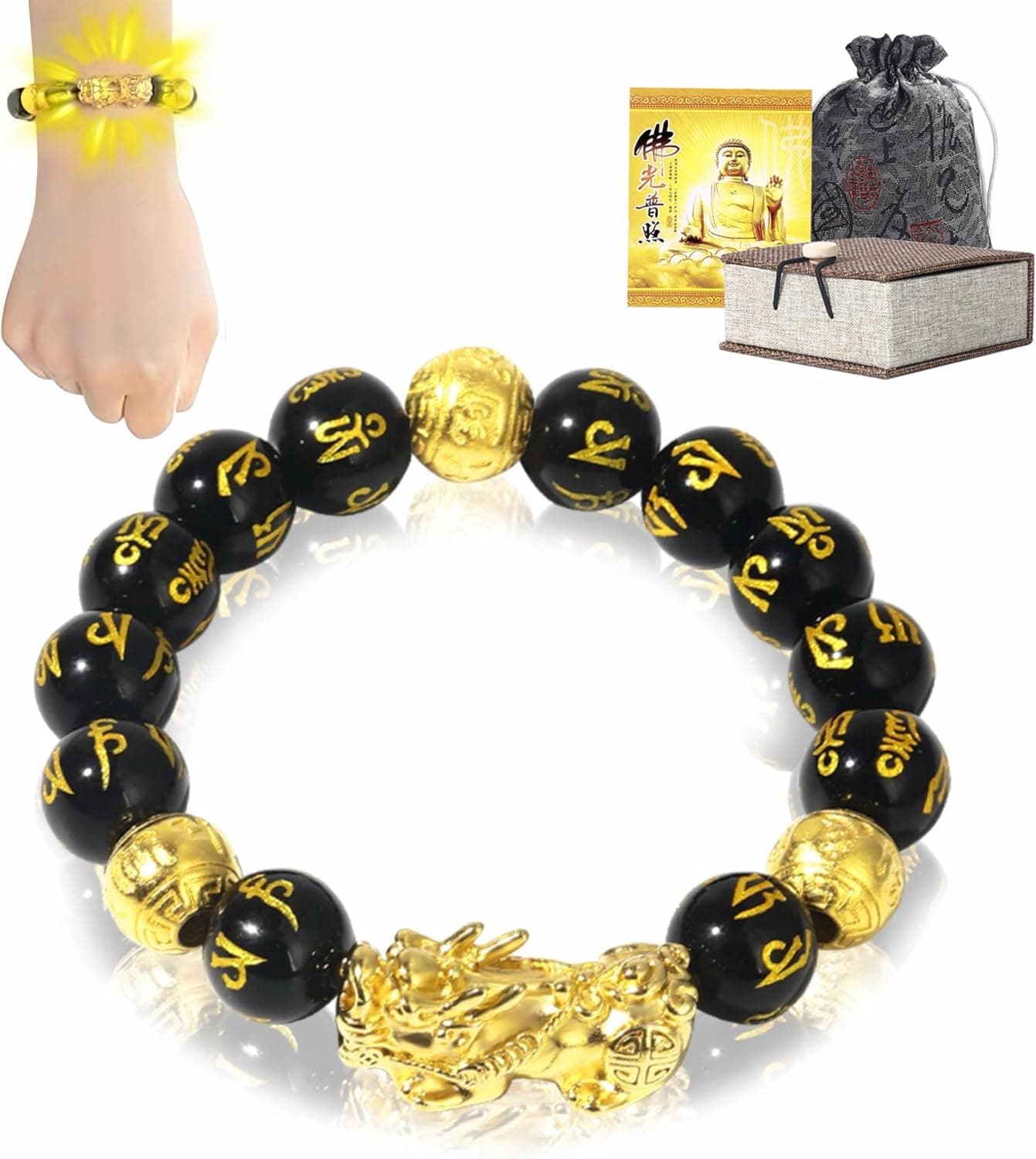 -50%
-50%biuufish Feng Shui Black Obsidian Bracelet for Men Women, 24K Gold Plated Pix...
As an Amazon Associate, we earn from qualifying purchases. We only recommend items our practitioners have personally tested.
Continue Your Journey
Explore these related guides to deepen your understanding:
Ready for Deeper Guidance?
Try our free I Ching reading for personalized wisdom, or explore our curated Feng Shui essentials.