The wrong path to the door can undo every protection cure you placed there.
What Most Guides Overlook About best-items for front door protection feng shui
Something doesn't align in conventional approaches to best-items for front door protection feng shui is typically understood. I first noticed it in a narrow townhouse in Kensington, where the owner had done everything “right”: a red doormat, a pair of stone lions, a brass bell, even a small faceted crystal hanging inside the entry. Yet the hallway felt jumpy. People walked in and immediately drifted left toward the kitchen, clipping the shoe rack, brushing the umbrella stand, and never pausing long enough to settle. Wrong path. Not the cures.
That is the part most advice skips. The front door does not work alone; it works with the route your body takes after the latch turns. If the first three steps force a turn, a squeeze, or a collision, the protective item becomes decoration while the traffic pattern keeps pulling qi sideways. I have seen a polished entry with a perfect bagua layout fail because the corridor sent every visitor around a sharp corner before they ever sensed the house.
In that Kensington house, the owner had placed the lions flanking the exterior threshold, but one sat half-hidden behind a tall planter. The planter’s leaves scraped coats. The mirror across from the door doubled the movement and made the hall look busier than it was. Within a week of rearranging the path—moving the planter to the side wall, clearing the line from door to stair, and setting the lions where both could actually be seen—the house changed. Guests stopped hesitating at the entry, and the owner said the place felt quieter before she even hung up her keys.
Protection cures are not magic props. They work when the route into the home feels legible, buffered, and unforced. That means the item you choose, the height you place it at, and the body-language of the room all have to agree. A brass plaque near a door that opens into a dark, cramped passage helps different things than a heavy stone figure beside a broad foyer with a clear view to the center of the home. Same front door. Completely different job.
How the Walking Path Changes Everything
The phrase “front door protection” sounds like the door itself is the problem. Usually it isn't. The real leak happens in motion: a hallway that narrows too fast, a coat tree that juts into your shoulder, a staircase that pulls you upward before you can orient, or a side door that steals attention and drains the main entry of authority. Your body knows the difference before your mind does. It slows, angles away, or rushes through. That physical hesitation is the clue.
A home can look balanced and still feel unsettled if the first movement from outside to inside is awkward. This is why I pay attention to shoes lined up like a barrier, a package pile on the landing, or a runner rug that points straight into a mirror. Those details tell the nervous system, “Keep moving. Don’t stay.” The object at the door is only one player in the scene; the route decides whether the space can hold your attention.
For a quick sense check, stand outside your own door and imagine carrying groceries, a backpack, and a bad day. Do you need to pivot hard the moment you enter? Do you face a wall within two steps? Do you have to step around an object before you can even exhale? That is the traffic pattern trap. Big mistake.
Five minutes of honest observation often reveals more than a shelf of remedies. If the path is cramped, no charm will fully compensate. If it is smooth, a modest cure can do much more than an expensive one. That is why a simple mapped entry that actually matches the room beats a crowded display of symbols arranged by habit.
What Actually Protects the Threshold
I tend to think in layers. First comes visibility: can you see who is coming and feel that the entrance belongs to the house, not to the clutter? Then comes containment: can qi arrive without skidding straight through the building? After that, reinforcement: does one stable object tell the space to hold its ground? When those layers line up, protection feels calm rather than theatrical.
A solid, weighty item near the inside of the door often works better than a row of tiny trinkets. A dark wood console with rounded edges can anchor an entry that feels too fast. A pair of matching objects may suit a wide foyer where the door opens directly to stairs, because symmetry helps the eye stop. In a bright apartment with a glass door and a long view to the balcony, a low screen or a plant with dense leaves can slow the rush without turning the entrance into a barricade. The goal is to create a pause.
Not every item belongs at the threshold. Crystals can help, but only when they catch light without throwing the space into glittery agitation. Metal can steady an entry, yet too much shine near a busy door can feel harsh and clinical. I once moved a row of chrome shoe racks out of a narrow mudroom in Clapham and swapped them for one walnut bench plus a small bowl for keys. The room stopped buzzing. It started acting like a room.
People are often surprised that the “best” cure changes with the traffic. A family with children charging in from school needs a different front-door setup than a retiree who uses the same quiet entrance all day. One home needs guidance; another needs restraint. That distinction matters more than whatever object is trending online.
When the Protection Item Is Right but the Placement Is Wrong
There was a terrace house near Brixton where the owner bought a pair of guardian figures after reading half a dozen forum posts. She placed them on the inside windowsill beside the front door, both facing outward. On paper, it sounded sensible. In practice, the door opened straight into the figures, and the hallway became a little stage for tension. Visitors paused, then stepped around them too carefully, as if entering a formal room instead of a home.
She had the right instinct and the wrong angle. The figures were too close to the hinge side, so the door edge clipped their presence. One sat under a draft from the transom window, which made it feel even less settled. Once we shifted them to a side table where the eye could register them before crossing the threshold, the effect changed within days. The front hall stopped feeling combative. It felt watchful, which is what she wanted all along.
Placement should answer three questions: does the object greet the eye before the body collides with it, does it have enough breathing room to read as deliberate, and does it avoid forcing movement into a zigzag? That sounds technical because it is. Classical texts talk about receiving and storing qi, but the modern translation is easier to see: if the entrance makes people tense, the home is teaching the wrong lesson from the first step.
Here is the part that annoys some people: a grander, more expensive item can perform worse than an ordinary one if it sits in the wrong current. A carved stone beast shoved behind a coat tree looks defeated. A simple ceramic bowl placed where the hand naturally lands can do more for the doorway than a dramatic display. The body trusts what it can use.
For a related example of overdoing symbols, see how a modest approach often outperforms flashy fixes in this bedroom sanctuary guide. The principle is the same: space has to allow the remedy to breathe.
Common Front-Door Mistakes That Undo Protection
Mirror opposite the door. Every time, I wince a little. It feels clever because it “bounces” energy back, but a mirror there can also fling attention outward before the house has had a chance to receive anyone. In a small entry, that makes people feel exposed the second they walk in, and exposed spaces rarely invite rest.
Another familiar error is crowding the threshold with symbolic items until the area becomes a shrine to anxiety. Shoes, delivery boxes, umbrellas, lucky coins, a hanging charm, a plant that needs water, a basket for dog leashes—soon the door looks busy, and busy does not equal protected. The result is a hall that feels half-functional and half-avoided. You stop lingering there. You start dropping things wherever.
Then there is the obsession with “guardians” that cannot actually guard. A pair of heavy objects hidden behind a screen does nothing if you can’t see them on entry. A wind chime that clashes with every opening of the door can make the whole threshold feel jangly. I’ve watched people place a lovely blue vase on a narrow console only to discover that it blocks the natural turn toward the living room, so everyone brushes past it and leaves fingerprints on the wall.
One more mistake deserves attention: ignoring the outside approach. A cracked step, overgrown hedge, or dim porch bulb can weaken the effect of everything inside. If the path from the street feels neglected, the house starts the conversation from behind. And if you want a broader system for correcting that mismatch, five elements theory explains why a cure can look right and still land flat.
Finally, people overtrust symbols and undertrust behavior. A protective object cannot compensate for a habit of dumping coats over the door handle, leaving mail stacked on the floor, or forcing a diagonal route through a maze of furniture. Not even close.
How I Would Set Up a Front Door That Needs Protection
Start with the path. Clear the first three steps inside so the body can come through without making a defensive move. If the hall opens into stairs, give the eye a stopping point: a bench, a lamp, a framed image that feels steady, or a pair of grounded objects on either side of the passage. Keep the main line of travel free. Let the entrance receive, not attack.
Next, choose one main item and let it do its work. For a narrow flat with a hard corridor, I like one substantial object with a matte finish—stone, ceramic, or dark wood—placed slightly off-center so it calms rather than blocks. For a wider home, a matched pair can create a sense of order if both pieces are visible at the same time. If the door faces a long run of windows, a plant with thick leaves or a low screen can slow the rush of sight without shutting the area down.
Then remove the noise. The spare umbrella, the dead plant, the cracked dish of keys, the pile of flyers—each one says the entry is an afterthought. Once those are gone, the remaining item begins to matter. The same crystal that looked tacky beside clutter can read as refined when the background is quiet. Strange but true.
A final detail: think about how light moves. A cold bulb overhead can make even a good arrangement feel interrogative. Warm light near the door softens arrival. In one Battersea hallway, swapping a harsh white bulb for a warmer lamp beside a small oak table changed the mood more than the decorative cure did. The room stopped shouting at people and started greeting them.
For readers who want a deeper look at materials and placement, clear quartz placement can be useful, but only after the traffic route has been fixed. Otherwise you are polishing the hood while the engine stalls.
Why Some Homes Feel Guarded and Others Feel Cornered
Protection should feel like a threshold, not a bunker. There is a difference. A threshold has presence, clarity, and a little pause built into it. A bunker feels shut, tense, and overmanaged. One invites the body to slow down. The other tells it to brace.
That difference is often visible in the first nine feet after the front door. If you can enter, set down your bag, and see where you are going next, the room is doing its job. If you walk in and immediately have to dodge, bend, or sidestep, the space is teaching avoidance. People begin to act accordingly. They rush past the hall, miss the keys, forget the mail, and never quite land at home.
Traffic also explains why some “protective” setups fail in families but work in photos. A photograph never carries groceries. It never holds a child’s backpack or a rain-soaked coat. Real life has elbows and awkward turns. Real life knocks a lantern askew. Real life exposes whether your front door arrangement is practical enough to survive Tuesday.
That is why I distrust advice that ignores movement. It sounds complete, but it isn't. The moment you watch actual bodies pass through the space, the weak spots reveal themselves. And once you see that, you stop asking which charm is strongest and start asking which path makes the house feel clear enough to trust.
FAQ
Is conventional best-items for front door protection feng shui advice reliable?
Often no, because most of it treats the item as the whole solution. I look at the route first: where people hesitate, what they brush against, and whether the doorway actually has a sense of arrival. If the path is wrong, the most expensive cure just sits there looking ceremonial.
Do I need multiple objects at the front door?
Not necessarily. One well-placed item can do more than a crowded arrangement, especially in a narrow entry. Too many objects create visual static, and that can make the space feel restless instead of sheltered.
What if my door opens directly into the living room?
That setup can work, but it needs a stopping point. A rug, a console, a lamp, or a pair of grounded pieces can define the threshold without blocking flow. The room should still feel open, just not slippery.
Can a plant count as protection?
Yes, when it is healthy and positioned to soften a hard line of sight. A plant with dense growth can slow movement and make the entry feel less exposed. A tired or lopsided plant does the opposite, so choose carefully.
What matters more, the object or the traffic pattern?
The traffic pattern. Every time. An item can support the door, but movement tells you whether the support is actually helping. Watch how people enter with their hands full, because that is when the truth shows up.
Should I use mirrors near the door at all?
Sometimes, but not opposite the opening if you want a settled entry. A mirror can expand light, yet it can also push attention out before the home has received it. I would rather see a surface that grounds the eye than one that throws it back into the hall.
Mei Chen
Traditionally informed guidance • Cross-referenced with classical Chinese source texts
Rooted in classical Chinese metaphysics and cross-referenced with original texts. Product recommendations are based on traditional symbolism, not guaranteed outcomes.
Practitioner-Selected Tools for This Topic
Items our team has tested and found effective for the principles discussed above. Individual results may vary.
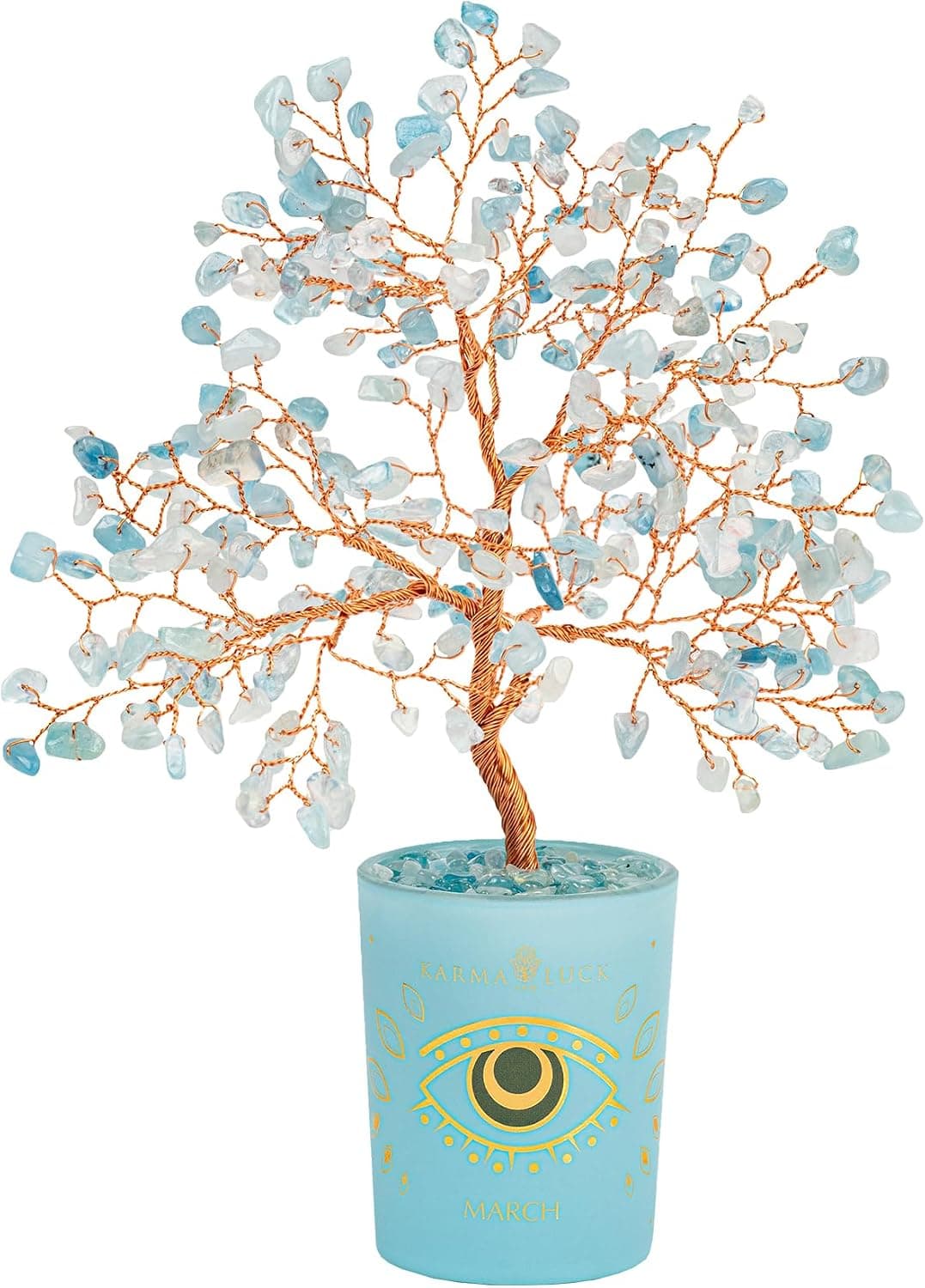 -29%
-29%Karma and Luck March Birthstone Crystal Tree of Life, Aquamarine Gemstone Fen...
 -29%
-29%Karma and Luck July Birthstone Crystal Tree of Life, Ruby Gemstone Feng Shui ...
 -29%
-29%Karma and Luck February Birthstone Crystal Tree of Life, Amethyst Gemstone Fe...
 -50%
-50%biuufish Feng Shui Black Obsidian Bracelet for Men Women, 24K Gold Plated Pix...
As an Amazon Associate, we earn from qualifying purchases. We only recommend items our practitioners have personally tested.
Continue Your Journey
Explore these related guides to deepen your understanding:
Ready for Deeper Guidance?
Try our free I Ching reading for personalized wisdom, or explore our curated Feng Shui essentials.