A wealth vase can fail in a bright room, not because the object is wrong, but because the window is winning the conversation.
The Real Story Behind Feng Shui Wealth-vase-how-to-make
The standard framework for F has an internal contradictioneng Shui Wealth-vase-how-to-make is typically understood. People obsess over coins, rice, crystals, herbs, and ribbon color, then wonder why the vase seems to do nothing—or worse, why the room feels oddly exposed after they set it out. The missing variable is usually not the cure itself. It is the proportion of glass to wall, because a vessel meant to hold and gather cannot compete with a wall of daylight and expect to stay stable in the mind.
I walked into a west-facing study last spring where the owner had placed a blue-and-gold wealth vase on a walnut cabinet exactly beneath a wide picture window. Beautiful setup. Wrong physics. The window took up nearly two-thirds of that wall, and the afternoon sun kept bleaching the brass lid until it flashed like a signal mirror. She told me her work income had been volatile for three months, and she had started checking her bank app every morning before coffee. Not because the vase was “bad.” Because the room was telling her nervous system to stay alert.
The common advice assumes objects work in isolation. They do not. A wealth container acts like a reservoir in a landscape, and reservoirs only behave well when the surrounding terrain supports them. Too much open glazing, and qi moves fast, scatters, and refuses to settle. Too much solid wall with no breathing room, and the room becomes heavy, unresponsive, and a little joyless. The sweet spot sits between those extremes, and that balance changes the entire mechanism.
Here is where most people miss the plot: they install the vase before checking the room’s window-to-wall ratio, then blame themselves when the “method” fails. Wrong target. The room may be broadcasting leakage, and no jar of cinnamon, jade, or coins can outvote a layout that keeps pulling attention outward. If you want the cure to behave, you start with the shell, not the contents.
In classical terms, the vessel belongs to storage, containment, and accumulation. In practical terms, the human eye reads it the same way. A vase on a console under a slim vertical window feels protected. A vase floating alone beside a broad expanse of glass feels watched. That difference sounds subtle until you live with it for a week and notice you stop lingering in the room.
Step One: Read the Room Before You Fill the Vase
Measure the wall first. Not with a compass yet; with your eyes and a tape measure. If the window occupies more than about half the width of the wall behind the intended placement, the room is already leaning outward. A wealth vessel placed there has to fight a visual current that keeps pulling the mind toward distance, motion, and outside activity.
That does not mean you need a tiny window or a sealed box of a house. It means the vase needs support from nearby mass. A side cabinet, a bookcase, a curtain panel, even a lamp base can create the visual anchoring that lets the object feel settled. I often tell students to think in terms of “something holding the horizon still.” That sounds poetic, but it is really a spatial diagnosis.
The mechanism is straightforward. Big windows increase movement, bright contrast, and scanning behavior. Walls slow scanning. A wealth container works best when the room invites the eyes to pause, because pause is the first step toward retention. Without pause, the cure becomes décor.
One useful test: stand in the room at dusk, when the outside light begins to flatten. If your gaze keeps leaving the vase and running straight to the window, the proportion is not favorable yet. Add a deeper curtain, move the vase away from the brightest zone, or shift it to a wall that has more solids around it.
How the Window-to-Wall Ratio Changes the Result
Think of the ratio as a speed regulator. More glass means more visual speed, more external stimulation, and more likelihood that the mind associates the room with transit rather than accumulation. More wall means slower visual cadence, which gives the body a cue to settle. The vase only performs well when the room supports settling.
That is why a narrow bay with two slim panes can host a wealth arrangement more gracefully than a dramatic floor-to-ceiling wall of glass. The second looks luxurious, but luxury and containment are not the same thing. A grand view can be draining if the home has no counterweight. The container sits there, but the room keeps saying, “Look out there, not here.”
I have seen this in a renovated loft with black steel frames and polished concrete floors. The owner bought a porcelain vase filled with five coins, citrine, and a red silk tie, then placed it on a floating shelf between two windows. Every time he entered the room, the shelf looked like a display case, not a receiving point. He later moved it to an alcove beside a tall fern and a closed oak cabinet. Within a month, he stopped describing the room as “too open” and started using it for client planning sessions. Same vase. Different ratio. Different behavior.
Do you see the pattern? The object was never doing the whole job. The room had to agree with the message.
Where to Place It When the Wall Is Mostly Glass
When the wall is dominated by windows, stop fighting for the brightest spot. Place the vase on the side that has the most visual backing, ideally against a solid section of wall or beside a substantial piece of furniture. In a living room, that might mean the east side of a console with a table lamp and a framed painting behind it. In a study, it might be a bookshelf end panel where the vase has something substantial at its back.
Heavy curtains change the equation too, because fabric can temporarily behave like a wall. I do not mean theatrical drapes that swallow the room. I mean a textured layer in deep green, taupe, or muted rust that reduces glare and shortens the visual reach of the window. That tiny reduction can make the vessel feel less like a visitor and more like a resident.
Placement height matters. Too low, and the vase reads as forgotten storage. Too high, and it becomes a trophy. Aim for a point where the eye meets it naturally while standing, usually on a chest or sideboard rather than on the floor or up on an open ledge. If the object is meant to gather, it should feel reachable without feeling grabby.
One detail people ignore: reflections. A mirror across from the vase doubles the visual movement and can scatter the sense of containment. I have seen more than one carefully assembled arrangement lose its footing because a mirrored closet door kept throwing the image back into the room. If you cannot remove the mirror, angle the vase so it does not face it directly.
What to Put Inside, and What to Leave Out
The contents should match the room’s job. For a wealth vessel, people often use a small packet of coins, grain, a sealed note, citrine, jade, or a red tie. Fine. But the contents should not look chaotic when you open the lid. If you cram in random trinkets, spare buttons, and a receipt from the hardware store, you have turned a symbolic reservoir into a junk drawer.
Make it deliberate. One or two metals for definition. One living-symbol object, such as grain or a coin bundle. One color accent, usually red, gold, or green depending on the room’s element balance. Then close it. The closed lid matters because visibility changes the function. An open mouth invites inspection; a closed vessel suggests retention.
People ask me whether crystals are necessary. Not necessarily. A clear quartz cluster can sharpen the focus, but if the room already has too much brightness, you may be adding glare to glare. In a glass-heavy space, a matte ceramic or glazed porcelain body usually works better than a sparkly surface because it reduces the sense of leakage.
The interior should feel arranged, not stuffed. That distinction changes how you approach the ritual and how you live with it afterward. A tidy interior signals that resources have a place to rest. A cluttered one signals that money comes in and gets lost in the pile.
One Client, One Backfire, and the Real Cause
Her name was Mara, a retired architect with a white cat and a habit of keeping receipts in neat stacks. She had followed every instruction she found online. Rice at the bottom. Three Chinese coins tied with red cord. A jade bead. A brass lid. She placed the vase in her sunroom, which had a glass wall on two sides, a pale stone floor, and a mirror on the third side because she liked how it doubled the garden view. For two weeks she said the room felt “active.” By the third week she was sleeping badly and avoiding phone calls from clients who still occasionally hired her for consulting work.
We changed two things. First, we moved the vase to a narrow wall in her library where the built-in shelves and a dark green armchair formed a tighter visual pocket. Second, we added linen drapes to the sunroom so the vase no longer competed with a sheet of glare. The result was not mystical fireworks. It was quieter than that. She stopped pacing during the late afternoon, and the library became the room where she paid bills without getting irritated. That is how you know the mechanism is working: less friction, more follow-through.
Notice what did not change. The coins stayed. The lid stayed. The intention stayed. The room changed the meaning of the object.
How This Fits With the Rest of the House
A wealth vessel never acts alone. The surrounding qi field either supports accumulation or sabotages it. If the bedroom already feels overstimulated, a bright wealth setup in the hall can still keep the home nervous. That is why I often send readers to a broader map first, like how to map energy in your home without overthinking it, because placement only makes sense once you know which sector is doing what.
Window ratio also interacts with the rest of the elements in the room. Too much metal and glass can make the whole setting sharp and brittle. A little wood, a little fabric, and one grounded surface often soften the effect enough for the vase to feel rooted. If the room already has a tense, watchful quality, check the broader balance with five elements theory and the rooms that still feel off. That piece helps explain why a correct cure can still behave strangely.
Sometimes the problem is not the wealth object at all. Sometimes the room is advertising exit routes everywhere. The front door, the opposite window, the polished floor, the overlit ceiling—each one can contribute to a sense that nothing stays put. In those homes, I look first at the living space and often recommend reading the center rules the room before chasing a cure.
And if the wall behind your proposed placement is literally all glass, do not pretend that means “more opportunity.” That phrase gets thrown around a lot, and it can be nonsense. Sometimes it just means less privacy, more glare, and a wealth symbol that looks stranded.
Practical Setup: A Method That Respects Proportion
Start with the room at its quietest hour. Stand where the vase will live and look at the wall behind it. Ask one blunt question: does this surface help the object hold attention, or does it send attention elsewhere? If you cannot answer in a second, the room is probably too visually busy for the first attempt.
Then reduce the window’s dominance before adding more symbolism. Pull in the curtain line, shift the vase toward a solid side wall, or place it against a darker backing board inside a cabinet niche. The goal is not to hide it. The goal is to keep the eye from treating it like a passing object.
After that, simplify the contents. A vase with a clear job should not carry ten different intentions. Wealth, yes. Stability, yes. A family heirloom, a travel souvenir, and a business card from last spring’s conference? No. That mixture muddies the signal.
Finally, live with it for ten days and watch your behavior. Are you lingering in that room longer? Are bills less irritating to open? Do you stop darting toward the window every few seconds? Those are better indicators than whether someone on social media liked your arrangement. They show whether the room has started to hold.
Where People Go Wrong When They Copy the Internet
Kitchen knives carry more energy than most people expect, and wealth vases can suffer a similar problem when placed near sharp visual lines. Pointed shelves, mirror edges, and exposed metal frames all create a slicing feeling that interrupts retention. If your setup sits beside hard angles, take a look at why knife placement matters more than most kitchens admit, because the same principle applies here: anything that cuts the visual field can cut the effect.
Another error is treating the vase as a one-time charm. People place it, photograph it, and then never revisit the room. Bad idea. Rooms change with seasons, daylight, and furniture shifts. A setup that worked in winter may feel scattered in summer when the sun comes in lower and harder.
Then there is the belief that more sparkle equals more wealth. Not even close. In a room with a high glass-to-wall ratio, extra shine just amplifies movement. A satin glaze, a covered lid, and a grounded surface usually outperform a shiny object under harsh light.
Some readers insist that if the object is “real,” the placement cannot matter so much. That sounds spiritual. It is also lazy. Form directs attention, attention directs behavior, and behavior affects what we notice, save, spend, and pursue. The chain is not mystical at all once you trace it step by step.
FAQ
Is conventional Feng Shui Wealth-vase-how-to-make advice reliable? Often not on its own. The usual instructions focus on contents and symbolism, but they skip the room’s proportion, which is the part that changes whether the vessel feels anchored or exposed. A vase in the wrong spatial setting can look correct and still underperform.
Does a bigger window always ruin the setup? No, but it raises the bar. A large window can work if the vase has strong backing, heavier curtains, and enough solid mass nearby to stop the eye from constantly drifting outward. Without those supports, the object tends to lose authority fast.
Can I use a wealth vase in a small apartment with lots of glass? Yes, and small spaces often benefit from tighter, more deliberate placement. Choose the wall with the most visual backing, avoid mirrors facing the vase, and use texture to slow the room down. In compact homes, restraint usually beats spectacle.
Do I need expensive materials for it to matter? Surprisingly, no. A simple ceramic vessel with well-chosen contents often works better than an ornate piece that clashes with the room. The home responds more to coherence than to price.
What if the vase already feels off? Move it before you buy anything else. Shift the location, check the window-to-wall ratio, and watch how the room feels in the late afternoon. A one-foot adjustment can change the whole read of the space, and sometimes the room tells you the answer by the way you stop avoiding it.
Should the vase always stay closed? Usually, yes. Closed suggests containment and retention, while open tends to invite dispersion and curiosity. If you open it for maintenance or intention-setting, close it again and place it where the room can support that sealed feeling.
Watch what happens at dusk. The light will tell you whether the vase is holding the room, or whether the room is still spilling out through the glass.
Mei Chen
Traditionally informed guidance • Cross-referenced with classical Chinese source texts
Rooted in classical Chinese metaphysics and cross-referenced with original texts. Product recommendations are based on traditional symbolism, not guaranteed outcomes.
Practitioner-Selected Tools for This Topic
Items our team has tested and found effective for the principles discussed above. Individual results may vary.
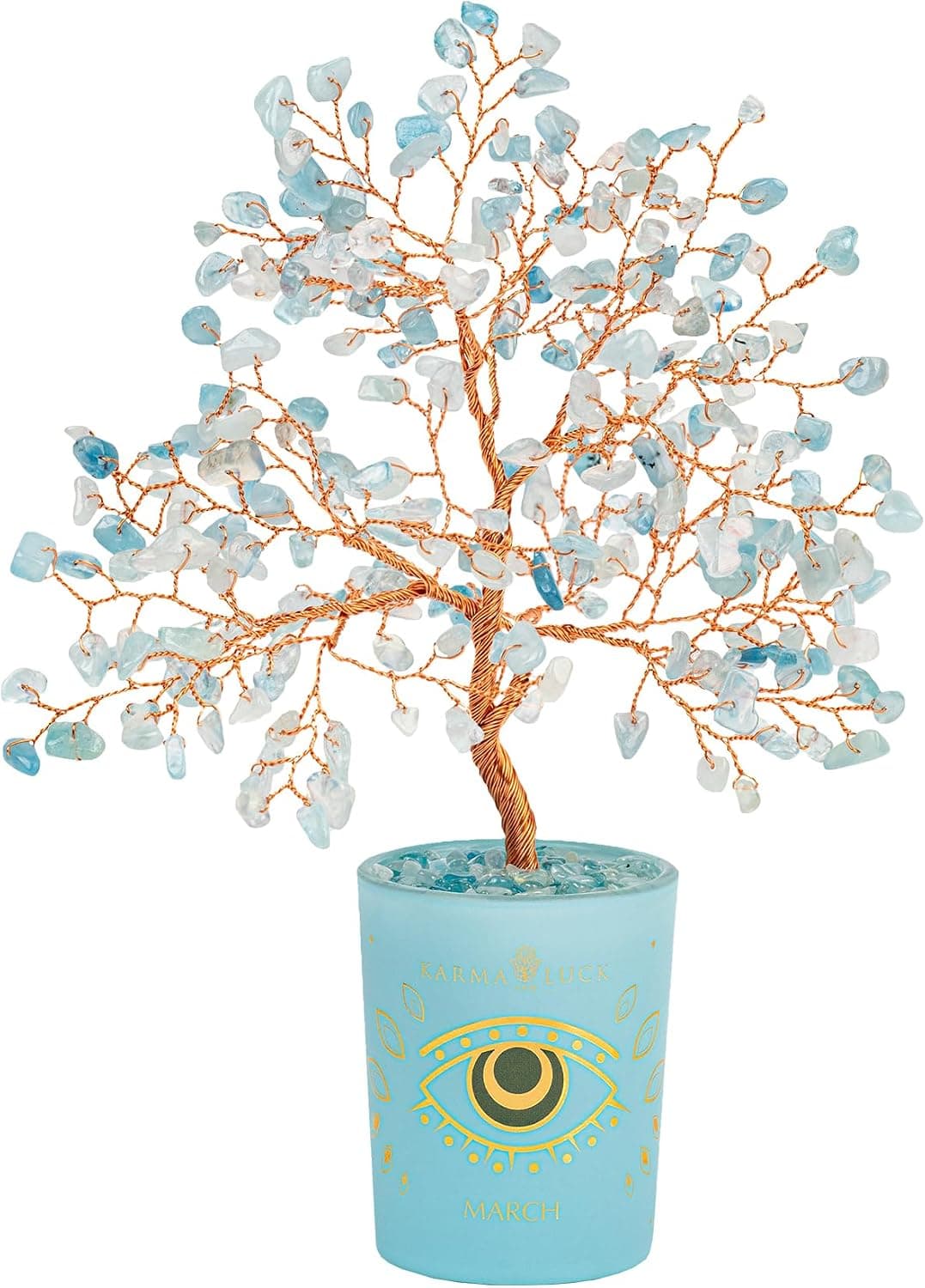 -29%
-29%Karma and Luck March Birthstone Crystal Tree of Life, Aquamarine Gemstone Fen...
 -29%
-29%Karma and Luck July Birthstone Crystal Tree of Life, Ruby Gemstone Feng Shui ...
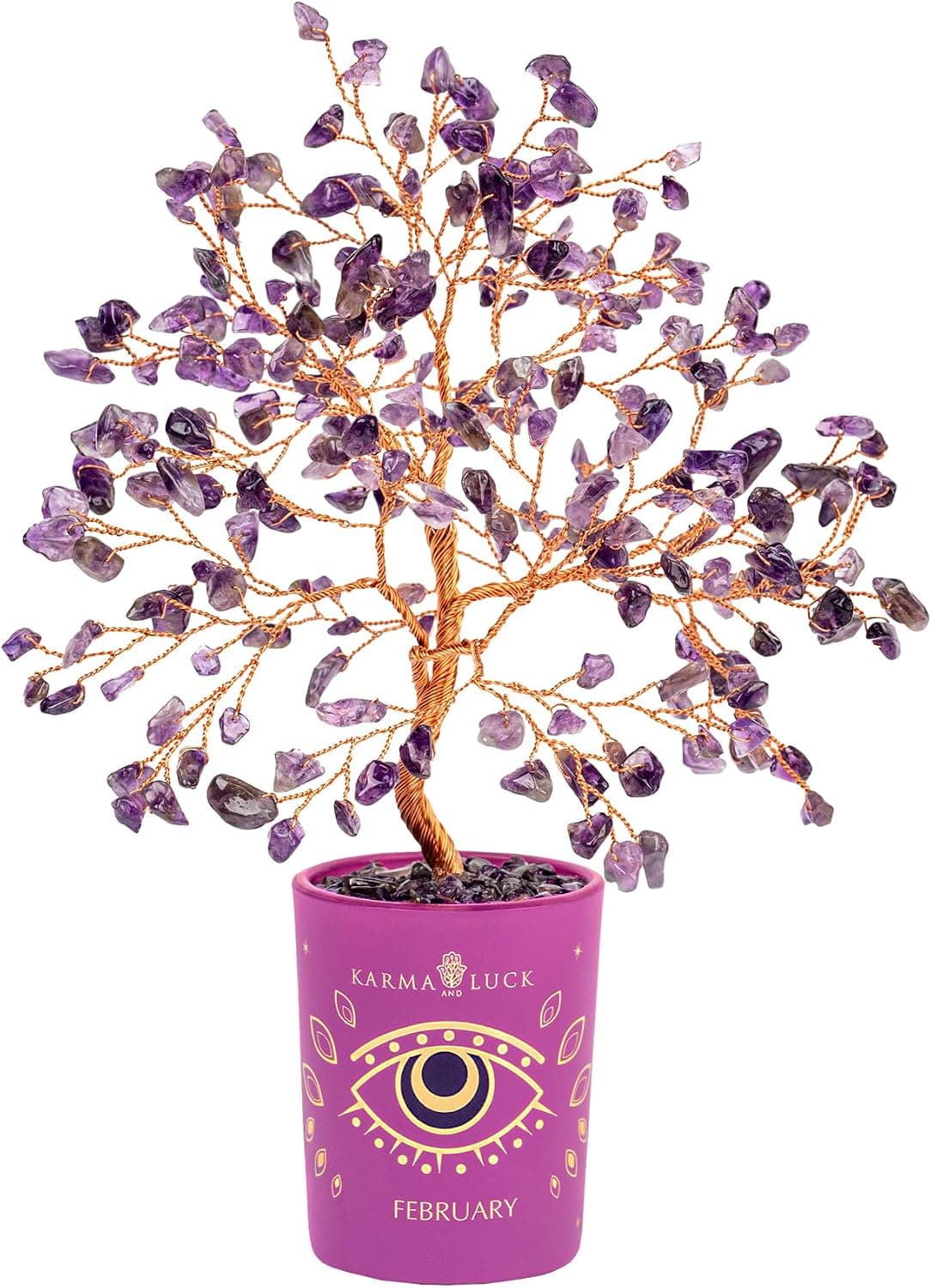 -29%
-29%Karma and Luck February Birthstone Crystal Tree of Life, Amethyst Gemstone Fe...
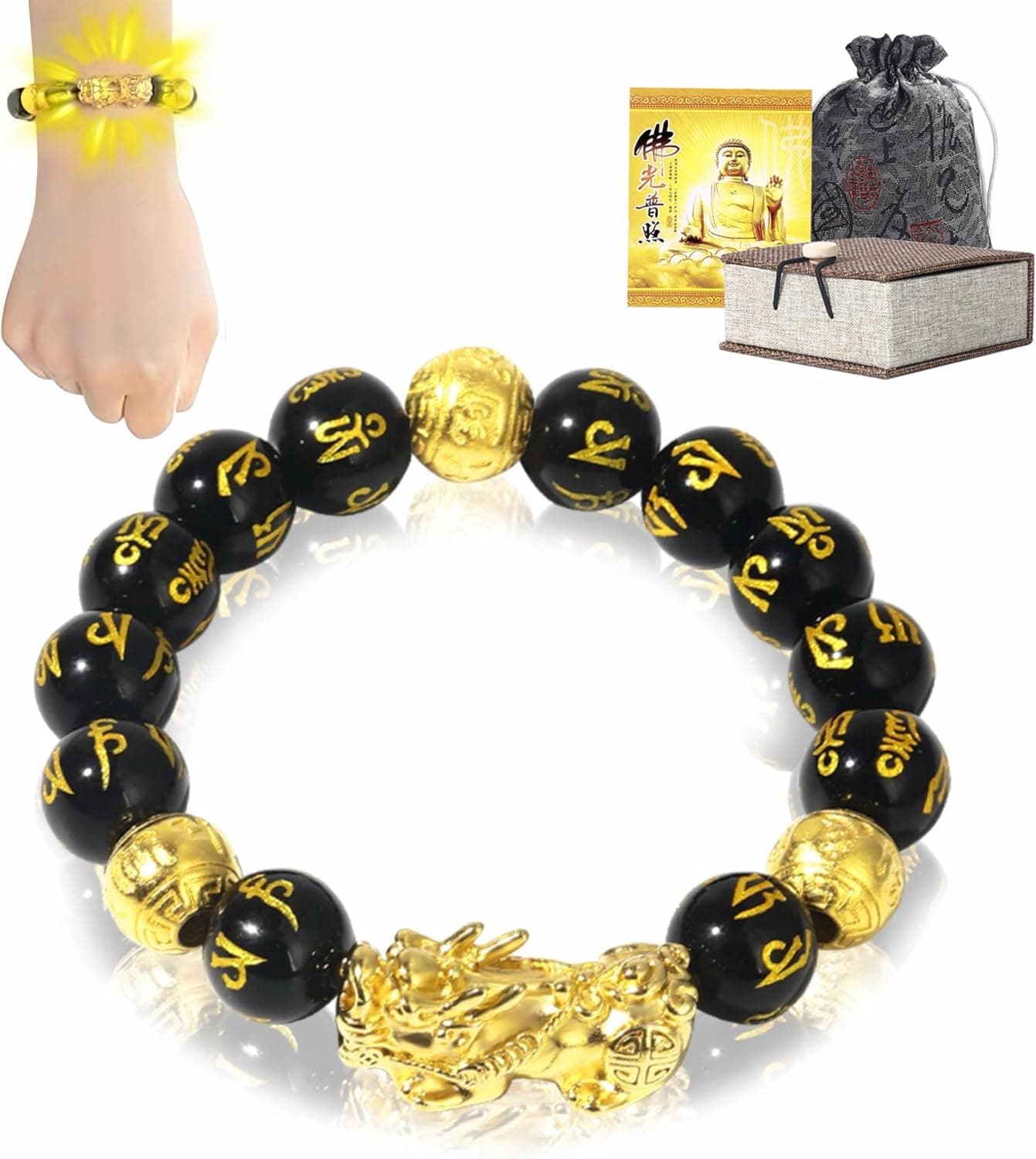 -50%
-50%biuufish Feng Shui Black Obsidian Bracelet for Men Women, 24K Gold Plated Pix...
As an Amazon Associate, we earn from qualifying purchases. We only recommend items our practitioners have personally tested.
Continue Your Journey
Explore these related guides to deepen your understanding:
Ready for Deeper Guidance?
Try our free I Ching reading for personalized wisdom, or explore our curated Feng Shui essentials.