The standard approach to citrine bracelet feng shui benefits has serious gaps. What works in practice tells a different story.
{"title":"Citrine Bracelet Benefits Fail When You Walk the Wrong Path","excerpt":"The bracelet can be fine. Your path through the room can ruin everything.","content":"
The Real Story Behind citrine-bracelet-benefits feng shui
The conventional thinking on citrine-bracelet-benefits feng shui has a fundamental flaw. I saw it in a teal-painted office near a south-facing window: a marketing manager wore the bracelet on her left wrist, kept a bowl of tumbled stones beside her keyboard, and still felt like every money task slid out of reach by 3 p.m. Her desk looked tidy. Her calendar was full. Her attention kept breaking the same way a cheap hinge breaks under weight.
The bracelet was not the problem. Her walking path was.
She crossed the room through the same narrow lane between the printer and the filing cabinet, circled behind her chair, and cut straight past the door every time she got up for water. That path carved a loop through the room's qi. The citrine sat on her wrist like a small, bright sun, but the room kept draining it before it could settle into anything useful. People love to talk about objects as if they act alone. Not even close.
Here is the mechanism: you wear the stone, the body picks up the intent, the room either supports that intent or scatters it, and the daily traffic pattern tells the room which way to move. Because you walk the same route ten, twenty, fifty times a day, you are training the space. If that route slices between the door and your seat, or loops you around a cluttered edge, your attention fragments before the bracelet can do its job. The benefit you wanted turns into a faint, stubborn static.
For a deeper framework on how this sits inside the whole system, see <a href="/blog/bracelet complete guide feng shui">the full bracelet guide. For people who keep asking which wrist matters, <a href="/blog/bracelet rules which hand feng shui">the hand you choose changes the signal. And if you want to understand why the room itself may be pushing against you, <a href="/blog/theory why your still five elements feels off even when you did everyt feng shui">Five Elements Theory explains the mismatch better than any sales page ever will.
The mistake is subtle because the bracelet can still feel pleasant. You may even feel a little more hopeful when you put it on. Then the mail stacks up, the same email gets reopened three times, and the day ends with that irritated, airless sensation of having been busy without moving anything forward. That is not mystical failure. It is a traffic problem.
Think of citrine as a bright point of focus. If your room routes you through choke points, sharp turns, and constant visual interruptions, that focus gets spent on recovery instead of momentum. The body says, 'Watch that corner.' The mind says, 'Don't forget the inbox.' The room says, 'Move again.' By dinner, the bracelet has done less than it should have because the path has already spent the day's useful charge.
Common advice usually stops at placement and hand choice. Useful, but incomplete. The real question is whether your movement supports the intention you are wearing.
One more thing: don't confuse stillness with support. A bracelet left in a jewelry dish on a dresser can be perfectly pretty and completely unhelpful; a bracelet worn while you pace through a cluttered studio can feel active and still produce little besides fatigue. The difference is not the stone. It is the route.
How a Room Eats Momentum Before the Bracelet Can Help
Start with the entrance. If your front door opens straight into the path you use to reach the kitchen, bathroom, or desk, you are creating a rush line. Energy enters, then leaves, then enters again. That is why some apartments feel busy but never settled. A bracelet cannot outmuscle a room that behaves like a corridor.
Then look at the first turn you make after entering. In one small loft I visited, a rust-colored coat rack sat exactly where the owner had to pivot from the hallway into the living area. Every time she came home, she brushed past coats, bags, and a mirror that caught her reflection mid-stride. She wore citrine nearly every day, yet her freelance invoices still arrived late because her brain never got a clean transition from outside mode to work mode. The path kept interrupting the switch.
There is a reason this matters more than most people think. Walking is not neutral in feng shui. Each route is a repeated instruction to the nervous system. Short, direct, uncluttered routes tend to settle the body and sharpen intent. Jagged routes, especially ones that pass through clutter, generate micro-decisions: step around the box, avoid the chair leg, glance at the mirror, dodge the dog bed. Those tiny choices are expensive. They drain the exact kind of clarity people hope a stone will provide.
Bracelets amplify a direction you already live. They do not manufacture one from chaos.
When the movement pattern is clear, the bracelet has room to act like an anchor. Wear it while you sit at a desk that faces into the room, with a clean line to the door and no pile of papers on the floor beside your chair, and the effect is very different. The stone can remind you of worth, focus, and steadier spending. Put the same bracelet on while you keep cutting across a room full of obstacles, and it gets lost in the noise.
That is why some homes make crystals feel magical and others make them feel decorative. The room either gives the stone a channel or it steals the channel for itself.
The Walking Path Test Most People Never Run
Stand in your main room and trace your usual route without guessing. Kitchen to sofa. Sofa to desk. Desk to bathroom. Front door to bedroom. Now notice whether your path crosses the center of the room, clips corners, or forces you to pass directly in front of your own seat. If it does, the room is probably dispersing rather than gathering.
In feng shui terms, that matters because repeated movement creates a current. The current should flow around function, not through it. A bracelet can support intention, but intention needs containment. Without containment, every step leaks it.
One office in Brooklyn made this obvious. A therapist had a cedar desk, a green lamp, and a citrine bracelet she bought after a long winter of slow bookings. She kept walking from the doorway to a water dispenser behind her chair, then back across the rug to answer the phone, then around a low ottoman to reach her notes. By lunch she had crossed that same route so many times that her shoulders stayed lifted all afternoon. After we moved the ottoman two feet to the left and opened a direct line from door to chair, she said the room stopped feeling like a gauntlet. Bookings did not explode. That would be nonsense. But her follow-through sharpened within a week because the room was no longer demanding tiny corrections all day.
Small adjustments beat grand gestures. Move the object that makes you detour. Remove the stack that forces a sidestep. If your bracelet work is tied to money, keep the path to your desk and wallet area as straight as possible. If it is tied to confidence, make the route from bed to mirror calm and unhurried. The body notices these things before the mind builds a theory about them.
And no, scattering more yellow objects around the room does not fix a bad path. Wrong.
For some spaces, the better move is to study the room's structure first. A clear map helps more than another shiny object, which is why <a href="/blog/map guide bagua">learning to read the bagua without overcomplicating it can save you from guessing. In tighter layouts, even the way you set your bedroom matters, so <a href="/blog/bedroom guide feng shui">a room that lets the body unclench will support the bracelet better than a cluttered one with perfect accessories.
Where Citrine Works Best and Where It Gets Drowned Out
Citrine tends to do best where your attention must stay awake, not scattered. A desk near a calm wall. A reading chair with a clear view of the room. A wallet kept in a drawer that opens without snagging. These are settings where the stone can reinforce focus, confidence, and a cleaner relationship with effort.
It gets drowned out in rooms that force constant scanning. Hallways packed with shoes. Entry tables buried under keys and receipts. Bedrooms with mirrors aimed at the bed and a pile of clothes at the foot. In those spaces, the bracelet becomes one more nice object competing with a louder environment. And when the room is louder, people often blame the object instead of the layout.
That blame is convenient because it avoids the harder question: where are you moving, and why? The line you walk from bed to bathroom at 2 a.m. matters. So does the route from kitchen to laptop after breakfast. So does the path you take when you come home carrying groceries and a tired mood. Repetition writes a room's habits.
I've seen a retired architect keep a citrine bracelet in a linen dish on a walnut shelf beside a brass clock. Gorgeous setup. Useless for his money work because he never sat there; he always paid bills on a low stool in the hallway while stepping around an umbrella stand. Once the bills moved to the study table and the hallway stopped acting like a command center, the bracelet finally had a place in the pattern instead of outside it.
That is the practical test: does the room let you return to the same useful posture without friction? If the answer is yes, the bracelet can accumulate meaning. If the answer is no, you are asking a small object to compensate for a nervous system that never gets to settle.
The deeper point ties back to element balance. Bright, sunlike stones can support ambition and visibility, but a room with too much motion, too much mirror reflection, or too many edges will burn that support up fast. You can feel this in your chest: a slightly tight breath, a sense of 'I should be doing three things at once.' That sensation is your clue that the path needs correction before the cure does.
Adjusting the Route Without Gutting the Room
Do not start by buying more things. Start by observing where your body already wants to go. Stand at the front door. Watch your first five steps. Then watch the route from the desk to the kitchen, and the route from the bed to the bathroom. Which one cuts through the center? Which one forces you around clutter? Which one makes you glance away from where you actually want your attention to stay?
Once you see the pattern, make one change at a time. Shift the shoe rack a foot left so the entry feels wider. Move the side table so you can enter the sofa area without turning sideways. Clear the floor line between bed and wardrobe. These are not glamorous moves. They are mechanical fixes. Mechanical fixes work.
For money-related work, the clearest improvement often comes from reducing crossings between the door and your work surface. That simple change lowers the sense of interruption. If you pair it with a bracelet, wear it when you sit down to handle invoices, not while you are pacing and checking your phone. The object and the action should point in the same direction.
A kitchen can spoil this faster than people expect. One family I visited had a narrow pass between the fridge and the island, and everyone kept squeezing through it on the way to the back patio. The daughter wore a citrine bracelet during study sessions, but the family traffic cut through her concentration every five minutes. Once the back patio route was shifted to the other side of the island, the room stopped acting like a thoroughfare and the studying got quieter. A room can either support focus or keep proving that focus is optional.
If you need the home-wide structure, the front door sets the tone for every route that follows, which is why the <a href="/blog/front door complete guide feng shui">front door guide matters more than most people realize. And if the room still feels edgy after you clear the path, the culprit may be element imbalance rather than the bracelet itself; that is where <a href="/blog/metal-water-element-home decor feng shui">metal-and-water pairings that finish a room can help calm the visual noise.
Quiet correction beats dramatic reinvention.
Common Mistakes That Make the Bracelet Look Ineffective
People put citrine on and keep their habits exactly the same, then declare that nothing happened. The bracelet gets blamed for the same clutter, the same detours, the same late-night scrolling at the edge of the bed. But the environment kept the old script running.
Another mistake is wearing it during the most chaotic part of the day and expecting it to rescue the whole system. Morning rushes through a cramped kitchen. Afternoon slippage in a cluttered office. Evening collapse in a bedroom with bright overhead light. The stone is not there to patch over every pressure point. It works best when the surrounding movement is already under control.
There's also the habit of placing too much faith in symmetry. Two lamps. Two plants. Two candles. Fine, sometimes. Yet if the walking path still forces you to dodge a chair every time you cross the room, the symmetry is cosmetics. The body cares more about ease than matching objects.
Then there is the assumption that a bracelet should create luck even when you never pause to use it intentionally. That expectation is lazy. Wear it when you make decisions, send the proposal, open the bank app, or sort the receipts. Let it meet the moments where your attention matters. Otherwise it becomes jewelry with a story attached.
For money work, a better companion than random decor is a book that teaches you to read the room with some discipline, not wishful thinking. <a href="/blog/book feng shui">this shelf-worthy Feng Shui book can keep you from collecting cures without context. And if your wealth area keeps feeling dead no matter what you place there, check the common setup errors in <a href="/blog/money corner mistakes feng shui">money corner mistakes that quietly undo the setup.
FAQ
Is conventional citrine-bracelet-benefits feng shui advice reliable?
Often, no. It usually tells you to wear the stone and stop there, which ignores the room's movement pattern. If your daily route is full of crossings and detours, the advice is incomplete because the environment keeps overriding the intention.
Should I wear citrine on the left or right wrist?
The wrist matters, but not as much as people obsess over it. The cleaner question is: what are you doing while you wear it, and what kind of path are you moving through? A steady route plus the right hand choice will usually outwork a perfect hand choice in a chaotic room.
Can I keep the bracelet on my desk instead of wearing it?
Sure, but then it becomes a stationary cue rather than an active one. That can still help if the desk is your decision-making station and the area is uncluttered. Put it beside the items you use for focused work, not buried under receipts or next to a charging cable tangle.
What if my apartment is too small to fix the path?
Small spaces need sharper editing, not more stuff. One chair moved six inches, one bag hung on a hook instead of the floor, one mirror turned away from a busy lane — those changes can be enough to stop the room from chewing up your attention.
Does citrine work for everyone in the same way?
No, because people use rooms differently. A student, a nurse on night shifts, and a remote worker do not create the same traffic pattern, so the bracelet meets different conditions in each home. The stone may be the same, but the route changes the result.
How long before I notice anything?
Sometimes the room feels different the same day, especially once the path is cleared and the bracelet is used during actual decisions. More often, the shift shows up over a week or two as less friction, fewer avoidable interruptions, and a calmer body when you cross the room. Watch the hallway at 8 a.m.; it tells the truth faster than your hopes do.
At 6:40 p.m., in that teal office, the marketing manager finally moved the printer cart six feet away from her chair and stopped walking behind the desk every time she stood up. The bracelet stayed on. The room went quiet in a way she could feel before she could explain it. Then she looked at the straight line from the door to her seat and said, almost to herself, 'Oh. So that's what was stealing it.'"
","meta_title":"Citrine Bracelet Benefits and the Room Path Trap | IChingWisdom","meta_description":"Citrine bracelet feng shui benefits can fail when your walking path scatters the room's qi. Learn the mechanism and fix it.","keywords":["citrine bracelet feng shui benefits","citrine bracelet","feng shui bracelet rules","walking path feng shui"],"schema_json":{"faq":[{"question":"Is conventional citrine-bracelet-benefits feng shui advice reliable?","answer":"Often, no. It usually tells you to wear the stone and stop there, which ignores the room's movement pattern. If your daily route is full of crossings and detours, the advice is incomplete because the environment keeps overriding the intention."},{"question":"Should I wear citrine on the left or right wrist?","answer":"The wrist matters, but not as much as people obsess over it. The cleaner question is: what are you doing while you wear it, and what kind of path are you moving through? A steady route plus the right hand choice will usually outwork a perfect hand choice in a chaotic room."},{"question":"Can I keep the bracelet on my desk instead of wearing it?","answer":"Sure, but then it becomes a stationary cue rather than an active one. That can still help if the desk is your decision-making station and the area is uncluttered. Put it beside the items you use for focused work, not buried under receipts or next to a charging cable tangle."},{"question":"What if my apartment is too small to fix the path?","answer":"Small spaces need sharper editing, not more stuff. One chair moved six inches, one bag hung on a hook instead of the floor, one mirror turned away from a busy lane — those changes can be enough to stop the room from chewing up your attention."},{"question":"Does citrine work for everyone in the same way?","answer":"No, because people use rooms differently. A student, a nurse on night shifts, and a remote worker do not create the same traffic pattern, so the bracelet meets different conditions in each home. The stone may be the same, but the route changes the result."}]},"amazon_products":[]}Mei Chen
Traditionally informed guidance • Cross-referenced with classical Chinese source texts
Rooted in classical Chinese metaphysics and cross-referenced with original texts. Product recommendations are based on traditional symbolism, not guaranteed outcomes.
Practitioner-Selected Tools for This Topic
Items our team has tested and found effective for the principles discussed above. Individual results may vary.
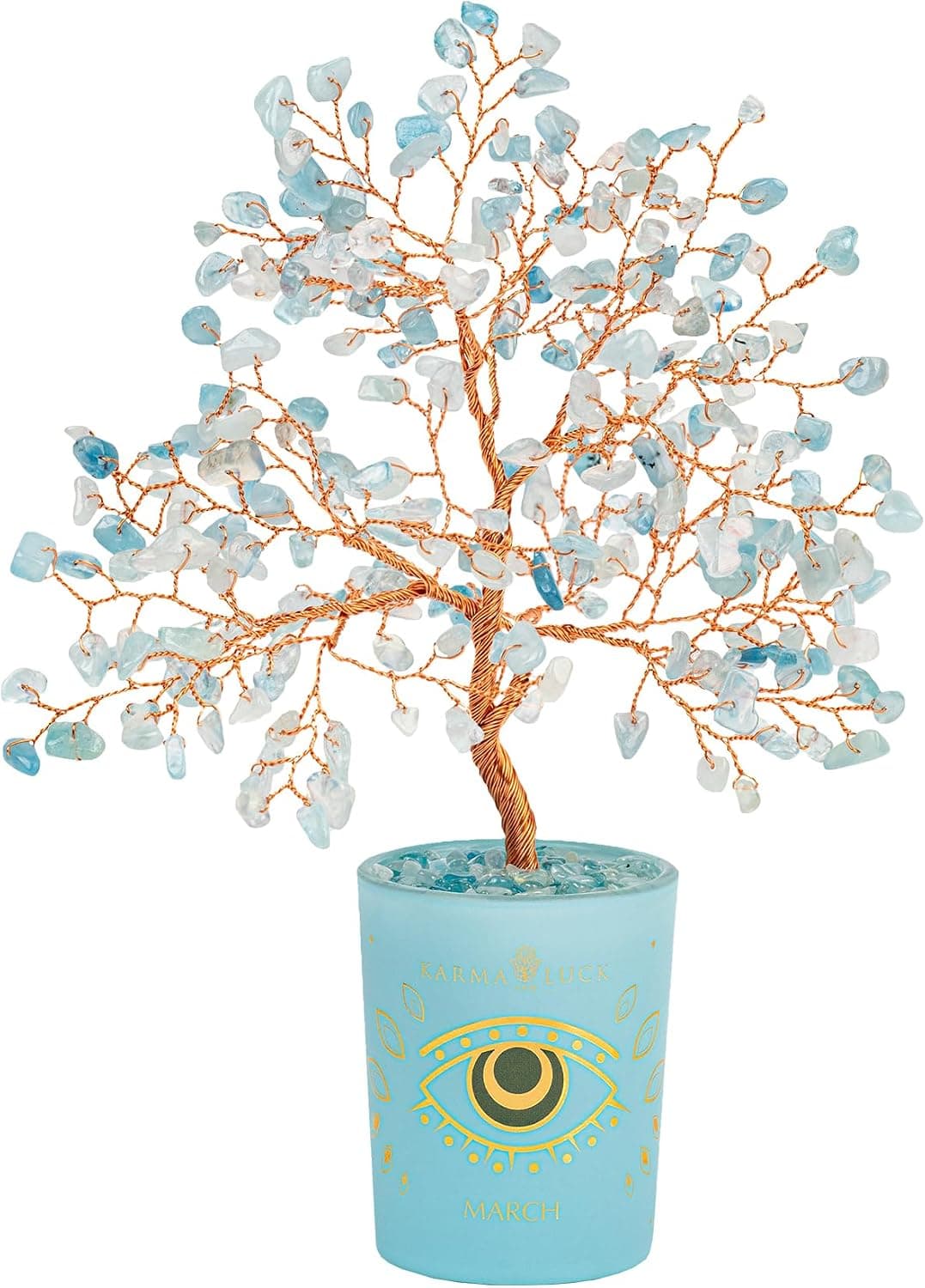 -29%
-29%Karma and Luck March Birthstone Crystal Tree of Life, Aquamarine Gemstone Fen...
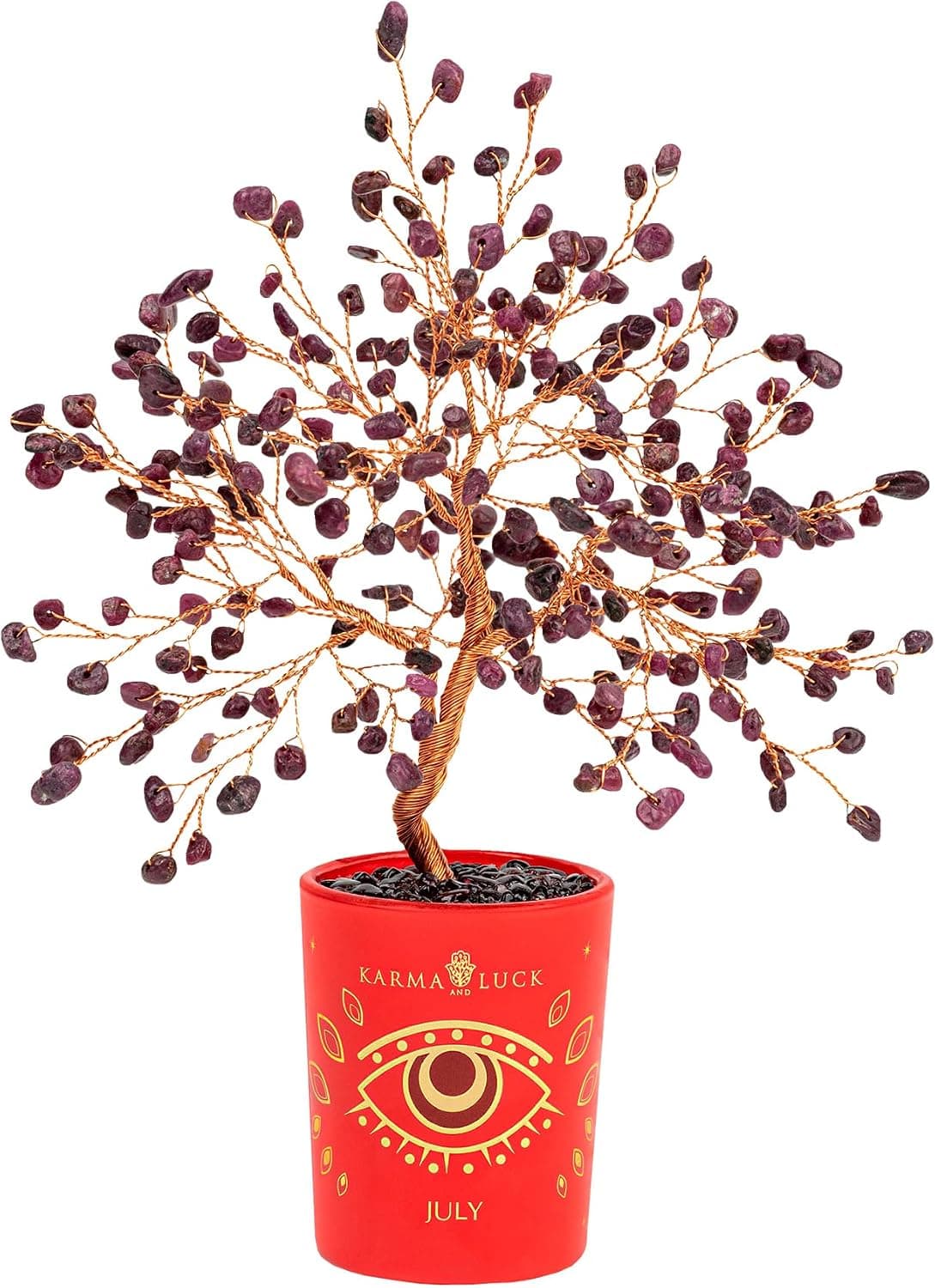 -29%
-29%Karma and Luck July Birthstone Crystal Tree of Life, Ruby Gemstone Feng Shui ...
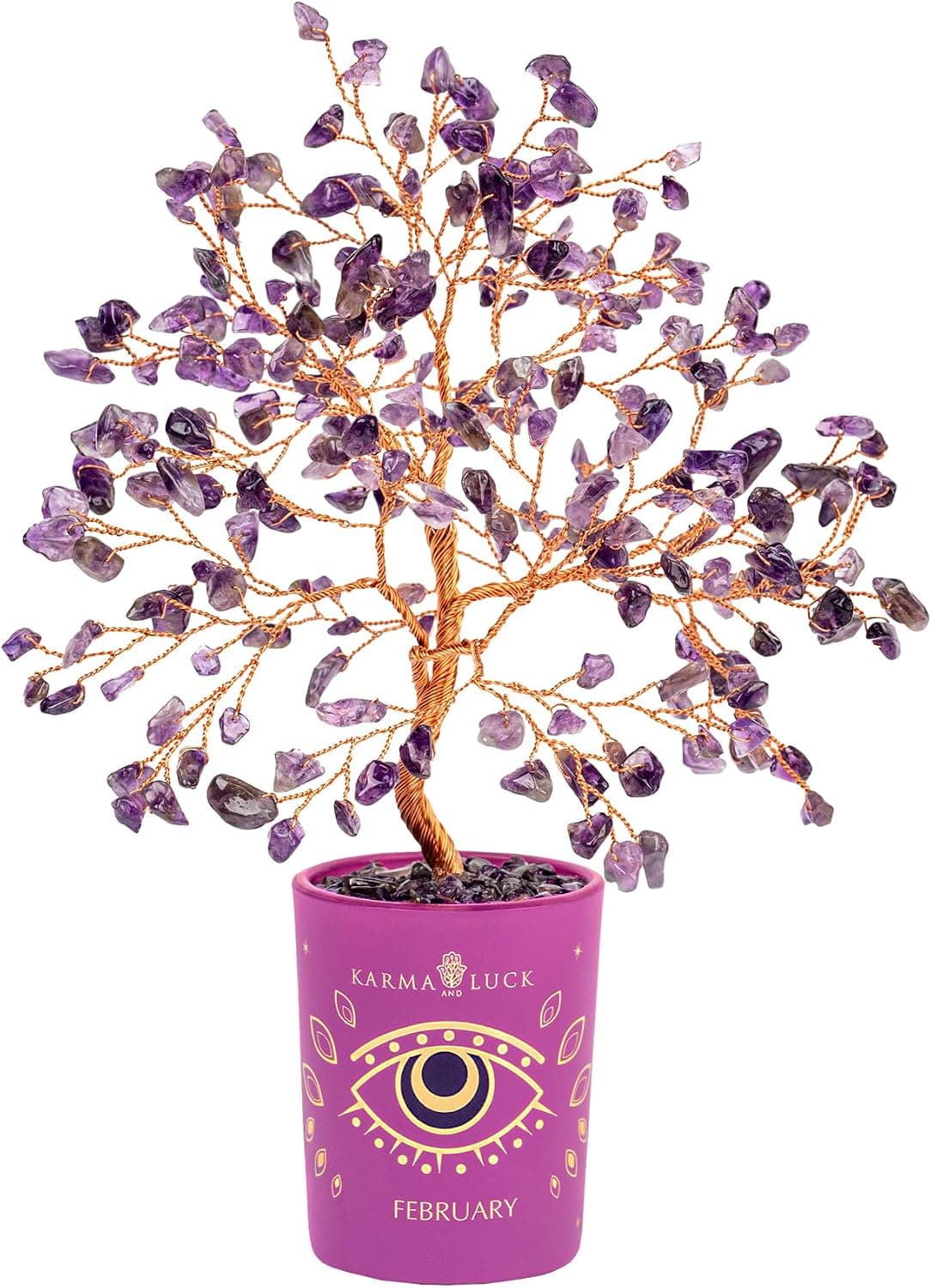 -29%
-29%Karma and Luck February Birthstone Crystal Tree of Life, Amethyst Gemstone Fe...
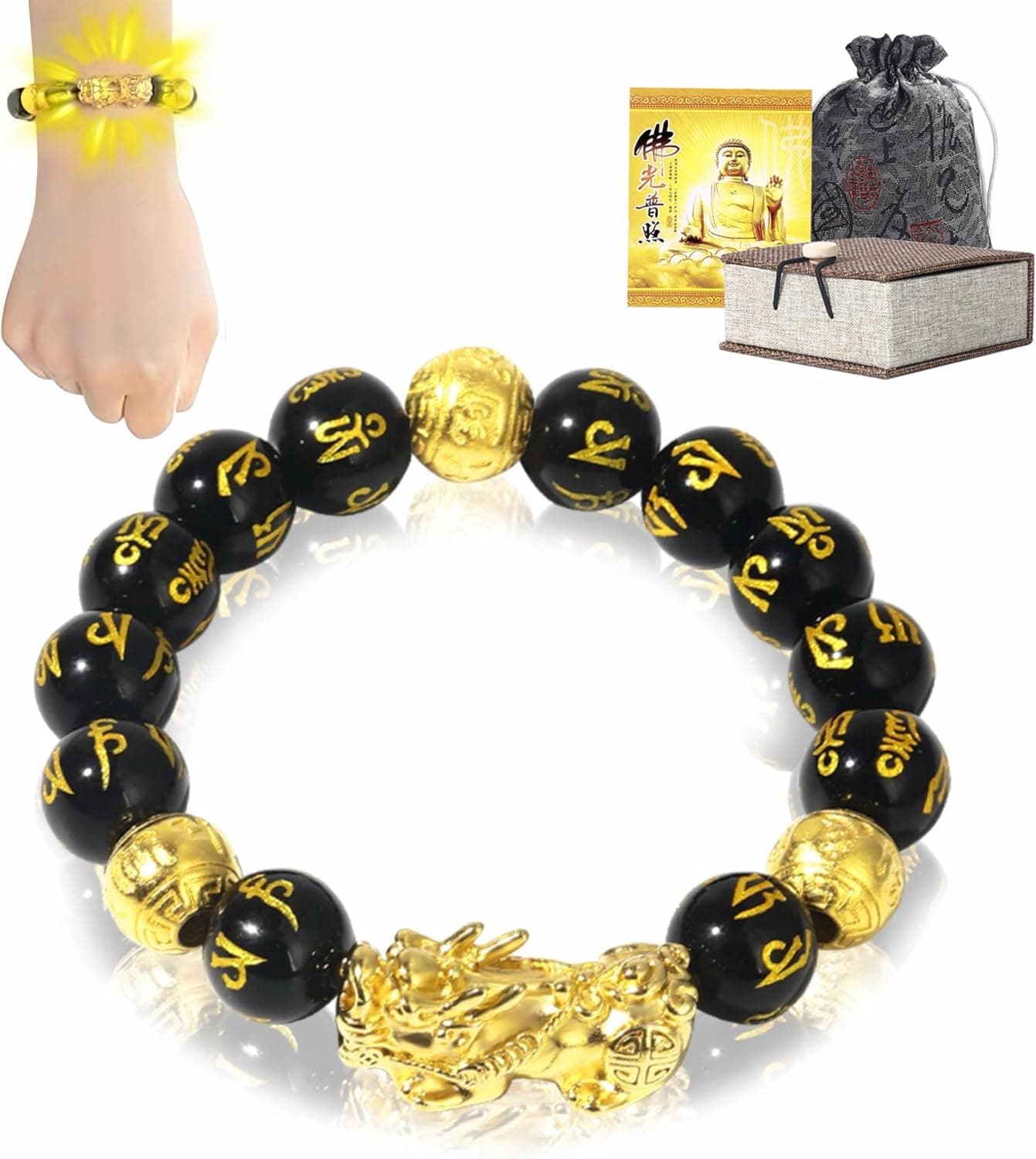 -50%
-50%biuufish Feng Shui Black Obsidian Bracelet for Men Women, 24K Gold Plated Pix...
As an Amazon Associate, we earn from qualifying purchases. We only recommend items our practitioners have personally tested.
Continue Your Journey
Explore these related guides to deepen your understanding:
Ready for Deeper Guidance?
Try our free I Ching reading for personalized wisdom, or explore our curated Feng Shui essentials.