Stop treating the I Ching like a fortune machine; it works better as a disciplined way to think under pressure.
Why does the I Ching still matter in modern life?
Because it gives you a way to think clearly when your own mind is too noisy to help. That is the real value of i ching wisdom for modern life: not prediction, but interruption. A quiet desk, three coins, and a single honest question can slow the reflex that usually rushes a decision.
That pause changes the quality of the answer. I have watched people sit in a north-facing bedroom with laundry on the chair and a phone face down beside the notebook, and the casting itself made the question sharper. Nothing supernatural was required. The room, the rhythm, and the act of waiting did the work.
For a first reading, start with one concrete issue and keep it small enough to hold in your mind. The article your first I Ching reading is useful here, but the habit matters more than the format: ask once, read slowly, then notice which line makes you uncomfortable. That discomfort often points to the real issue.
One sentence is worth keeping in mind: the I Ching is most helpful when you are not looking for reassurance.
It is not a fortune machine
Many people approach the text as if it were a cosmic search engine. That usually leads to disappointment. The book does not hand out clean yes-or-no verdicts, and it rarely behaves like a vending machine for certainty.
The older tradition asked a different kind of question: what pattern is unfolding here, and what kind of conduct fits it? That shift matters because it turns the reading from passive waiting into active judgment.
What the I Ching gives you is not a fixed future, but a way to read momentum. That is why the same answer can be useful in very different situations: it highlights whether the issue is consolidating, weakening, obstructed, or ready to move. Once you see that, the reading becomes less about prediction and more about orientation.
Modern spiritual culture often dresses the method in heavy language, with destinies, downloads, and glowing promises. Some of that is atmosphere, not tradition. Classical readers were usually more restrained, more attentive to timing, and less interested in theatrical certainty.
In a work setting, that difference becomes obvious fast. A person facing a difficult conversation may receive a reading that points toward patience, preparation, or restraint. The text is not taking responsibility away. It is showing where pressure is distorting perception, so the next step can be chosen with less panic and fewer mistakes.
So the practical test is simple: if a reading only flatters your hopes or confirms your fears, you are probably using it as reassurance. If it changes how you frame the situation, it is doing its real job.
What the classical tradition actually gives you
The classical I Ching gives you a language for change that is specific enough to guide judgment but flexible enough to fit messy reality. That is why it has survived. It speaks well in situations where blunt advice would be false and vague advice would be useless.
Historically, the Book of Changes belonged to a world shaped by cosmology, ethics, and careful attention to context. Later Western readers often pulled it away from that setting and turned it into a personal oracle. That made it easier to use, but also easier to oversimplify. The tradeoff matters: you gain intimacy, but you can lose the discipline that keeps interpretation honest.
The historical roots of the Book of Changes are worth remembering because they keep expectations realistic. If the tradition began as a way to track transformation, it makes little sense to treat it as a prose horoscope. Its value lies in pattern recognition: it asks what kind of season this is, what forces are active, and what action fits the season instead of fighting it.
The psychological side is useful too. Symbols are ambiguous, and ambiguity invites projection. That is not always a flaw. Sometimes a reading reveals what you had not been willing to say plainly. In that sense, the book works like a disciplined mirror: it reflects your situation, but it also exposes the bias in the way you were already looking at it.
Here is the practical lesson: the I Ching often tells you what you already sensed, but were avoiding. The difference is that it gives that intuition a structure, so you can examine it before you act on it.
How a reading works from cast to judgment
Begin with a real question. Not a cloud of feelings, not a dramatic complaint, but one decision or one tension. Then cast with coins or yarrow and build the six-line figure. The structure is simple to see, yet it is strong enough to force your attention into a pattern.
Changing lines matter because they tell you where movement is concentrated. They behave like pressure points in a landscape. That is one reason a reading can feel strangely specific even when the symbols themselves are ancient.
Interpretation is where people often rush. They seize on the first sentence that sounds comforting and stop there. Better reading takes a slower route: primary hexagram first, changing lines second, resulting hexagram if present, then comparison with the actual question.
The physical setup helps more than people expect. The scratch of a pen, the weight of the paper, and the pause before you turn to the line text create just enough friction to interrupt impulse. That friction is not decoration. It gives the mind time to revise its own assumptions.
Randomness has a place here too. When the answer is not authored by your ego, it is easier to hear something uncomfortable without immediately defending against it.
A hexagram chart becomes easier to use once you stop treating it like code. Think of it as a map of conditions, not a locked message. The point is not to force a decision. The point is to see the situation more clearly before you make one.
Where modern Western use changed the tone
Western readers often want two things at once: meaning and emotional customization. That can produce insight, but it also encourages exaggeration. Not every reading is a secret destiny waiting to be unveiled.
New Age presentations often amplify feeling until the reading sounds more dramatic than it is. That can be confusing for someone working in a cramped home office, where the consequences of a choice are immediate and practical. A symbolic answer is useful only if it helps you act.
Picture a folded desk by a window, a pile of unopened mail, and a notebook with half-finished plans. In that setting, the useful question is not, “What cosmic story am I living?” It is, “What pattern is visible right now, and what should I stop forcing?”
The meaning of the trigrams helps here because it keeps the reading grounded in forces, movements, restraint, and danger. The tradition offers structure. It does not need to flatter the reader.
Personal resonance has value, but it can easily turn into inflation. If every line feels fated, the reading has stopped being a dialogue and become self-admiration in symbolic clothing.
How to use it without mysticism overload
Use the I Ching for decisions that are real but not yet clear. Should you reduce commitments? Push a stalled project? Speak now, or wait? Those are the kinds of questions the method handles well.
If you are overloaded by messages, obligations, and too many tabs open in your head, the reading may point toward subtraction instead of effort. That does not require a supernatural explanation. It simply reflects the fact that attention has limits.
For creative work, the book is especially practical. A designer stuck on a landing page, a writer revising the same paragraph, or a musician looping a chorus can use a reading to decide whether to continue, pause, or change direction. The answer often concerns timing more than talent.
Money questions work for the same reason. Money questions in the I Ching often reveal the difference between urgency and pressure. If the reading points to restraint, do not dress that up as failure. It may simply mean the situation is asking for patience, not action.
A simple practice helps: ask, cast, note the key images, then write one sentence about what the reading asks you to stop doing and one sentence about what it asks you to begin. That turns symbolism into movement.
The mind likes ambiguity when it is pretending, and hates it when it is being corrected. The I Ching often exposes that contradiction.
What to do after the reading
Do not rush back for a second reading. That usually means you want relief, not guidance. Give the first answer at least a day to meet reality.
If the message feels harsh, write down your reaction before arguing with it. That reaction is data. Many readers say the I Ching “throws them off,” when in fact it has named a belief they were using to avoid change.
Environment matters too. In a small apartment, glare, clutter, noise, and poor boundaries make indecision worse because the room keeps interrupting thought. A reading will not clean the room for you, but it can show whether the next step is external order or internal restraint.
Hexagram 11, Peace is a good example of why classical language can be more exact than modern optimism. Peace is not a mood. It is ordered flow. That distinction matters when you want to act well, not just feel inspired.
And one more thing: if your reading tells you to wait, the waiting is part of the answer.
Where the tradition helps most now
The I Ching is strongest in transitional periods, when life is moving but not yet clear. That describes a lot of modern experience. Career changes, relationship strain, digital overload, and stalled creative work all create conditions where obvious thinking fails first.
That is why a relationship reading or a decision in a narrow hallway of a home can feel so clarifying. The book does not replace judgment. It teaches judgment to notice timing, pattern, and limits.
People sometimes assume ancient wisdom must be mystical to be valid. That is a romantic assumption. The traditions that last are usually the ones that help human beings orient themselves when the future will not sit still.
If you want a clean way to understand i ching wisdom for modern life, keep it simple. It is disciplined reflection, symbolic feedback, and practical restraint. That is modest, but it is enough.
FAQ
Can I use the I Ching if I am not spiritual? Yes. Plenty of people treat it as a decision tool rather than a religious practice. If you use it to slow down, frame the question clearly, and notice your own resistance, it still has value.
What if my reading seems to talk about something else? That usually means the question was too broad, or you were circling the real issue instead of naming it. Try again with one choice, one deadline, or one relationship tension.
Is it okay to ask about everyday things? Absolutely. In fact, the method is often most useful before a conversation, a workload change, or a boundary you need to set. It does not need crisis to be useful.
How do I know if I am overreading it? If your interpretation cannot change what you do next, it has probably drifted into fantasy. A good reading should sharpen action, not create a haze around it.
Why does the answer sometimes feel uncomfortable? Because it may be pointing to a habit you already knew was costing you energy. Discomfort is not proof that the reading is wrong. Sometimes it means the reading found the pressure point.
What is the difference between the I Ching and tarot? Tarot tends to build a scene through images. The I Ching builds a pattern through structure and change. That makes it feel less theatrical and more architectural.
David Liu
Traditionally informed guidance • Cross-referenced with classical Chinese source texts
Interpretations cross-referenced with the Zhouyi (周易) and Wilhelm/Baynes translation.
Practitioner-Selected Tools for This Topic
Items our team has tested and found effective for the principles discussed above. Individual results may vary.
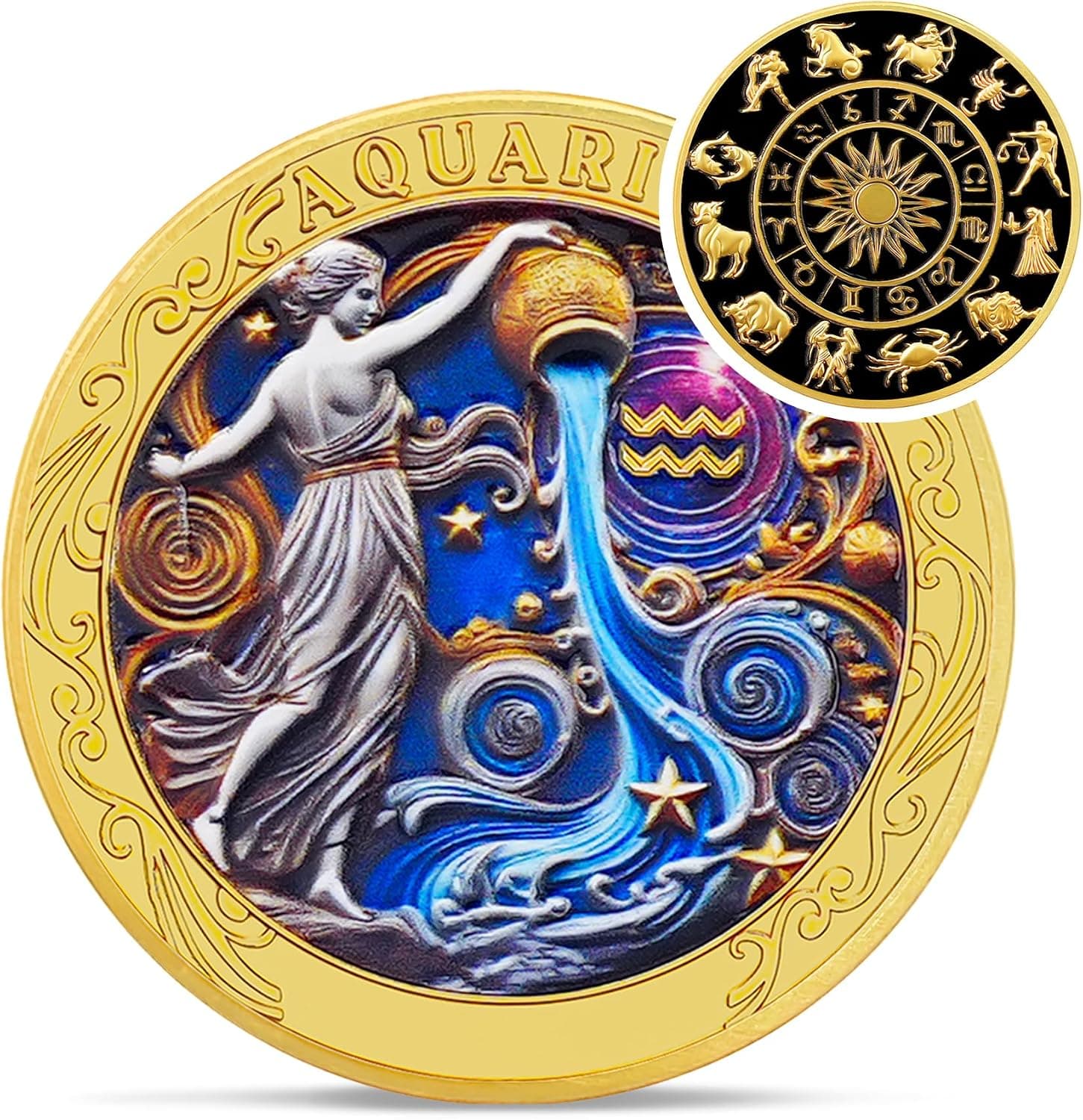 -20%
-20%Aquarius 12 Zodiac Challenge Coin - Twelve Constellations Aquarius Protective...
 -29%
-29%Karma and Luck March Birthstone Crystal Tree of Life, Aquamarine Gemstone Fen...
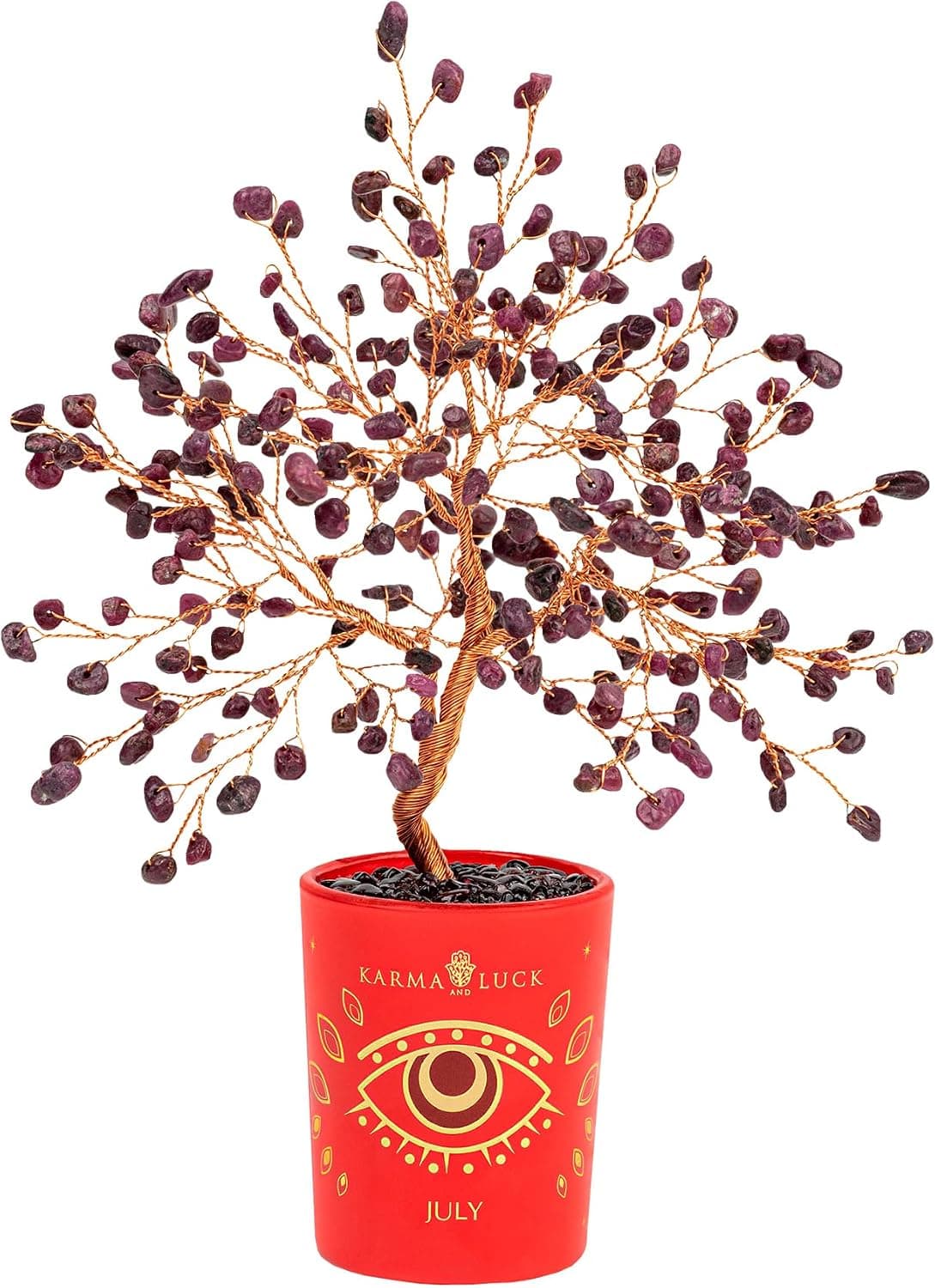 -29%
-29%Karma and Luck July Birthstone Crystal Tree of Life, Ruby Gemstone Feng Shui ...
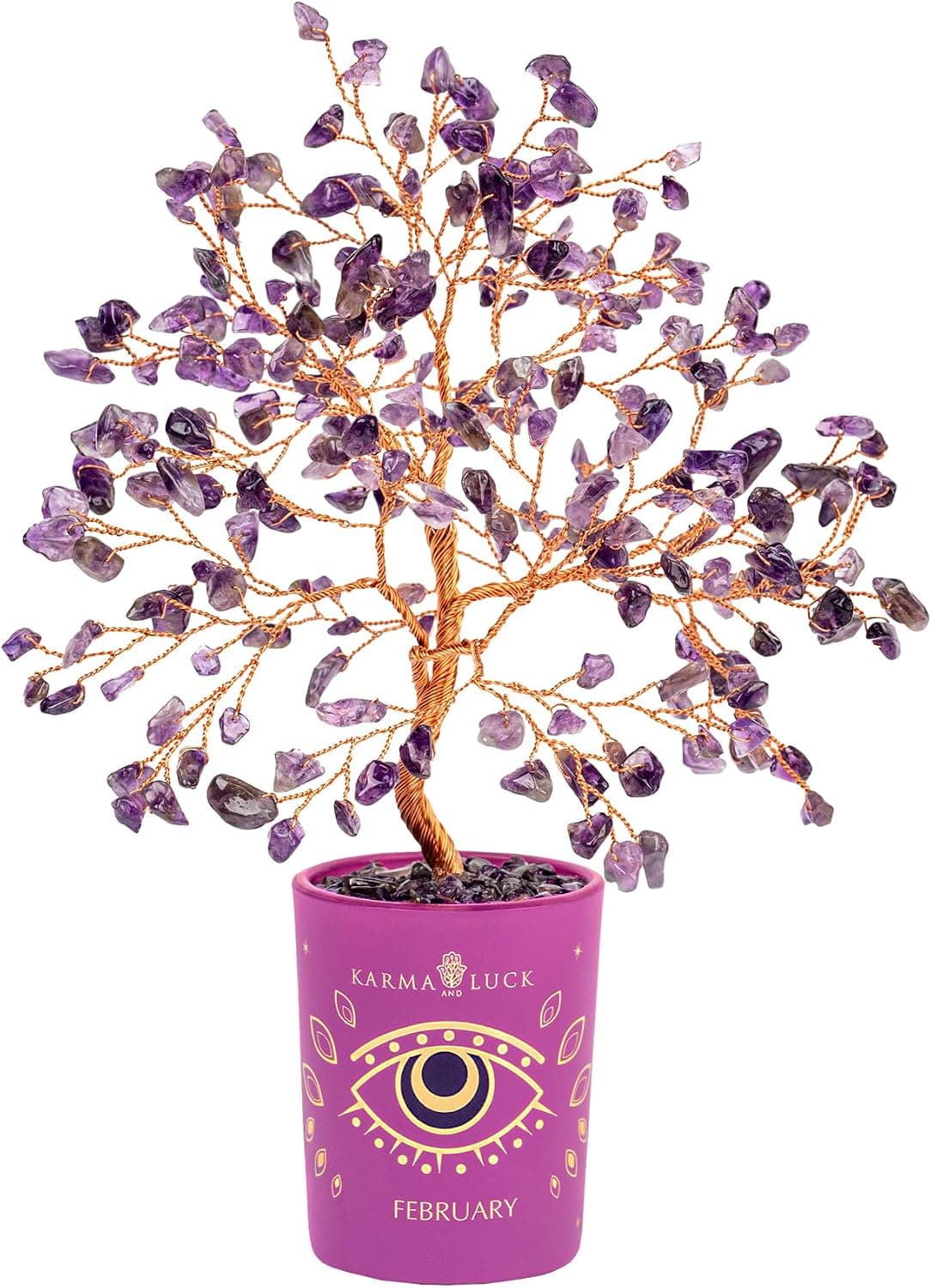 -29%
-29%Karma and Luck February Birthstone Crystal Tree of Life, Amethyst Gemstone Fe...
As an Amazon Associate, we earn from qualifying purchases. We only recommend items our practitioners have personally tested.
Continue Your Journey
Explore these related guides to deepen your understanding:

The I Ching Doesn't Answer Lazy Questions — Here's What to Ask Instead
8 min readConfucian Commentary Turns the I Ching Into a Moral Floor Plan
9 min readBroken Lines, Solid Lines, and the Real Yin-Yang Logic of the I Ching
11 min readThe Wilhelm I Ching Feels Deep Because It Slows Your Reading
11 min readReady for Deeper Guidance?
Try our free I Ching reading for personalized wisdom, or explore our curated Feng Shui essentials.