The usual money-corner fixes fail when the room itself keeps leaking attention.
The Hidden Truth About how-to-activate-money corner feng shui
People place a plant, add a coin tree, maybe light a candle, and then wonder why the checking account still feels thin. I’ve seen that pattern in a north-facing living room with a dusty brass bowl on the southeast shelf: the objects looked “correct,” but the corner sat beside a roaring hallway and a half-open utility closet, so money symbols were competing with traffic, noise, and visual clutter.
The mechanism is simpler than most advice admits. A wealth corner does not “create” money out of nothing; it changes how a room stores attention, and attention is what keeps habits organized long enough for income to behave. If the corner is visually chopped up, too dim, or loaded with broken items, the mind keeps registering interruption, and that interruption shows up as late bills, missed follow-ups, and purchases made on impulse.
That is why mapping the room correctly matters before you add anything. A southeast sector in a cluttered studio behaves differently from the same sector in a calm dining room, because the surrounding activity either supports accumulation or keeps scattering it. One shelf of objects cannot override a whole circulation pattern.
And yes, the common advice can backfire. Someone follows every online instruction, fills the corner with a red ribbon, a laughing Buddha, three citrine pieces, and a stack of old receipts “for reference,” then complains that spending gets worse. No surprise: the corner now reads like a storage nook, not a container.
Wealth corners work through sequence, not decoration. First you stop the leak, then you give the eye a resting place, then you add one clear symbol that matches the room’s use. Skip the first two and the cure becomes another object the mind learns to ignore.
Try this in practical terms. Stand in the southeast area and look for three things: items you never touch, surfaces you cannot see, and anything broken, half-finished, or waiting for repair. Move the dead stack out, brighten the area with a lamp that washes the wall rather than blasts the eyes, and keep the display low and deliberate so the corner feels collected instead of crowded.
One short test tells you a lot.
If the corner looks better in a photo than it does in real life, it still needs work.
There’s a deeper reason the photo test matters. Cameras flatten clutter, but your nervous system does not. The body notices edges, shadows, and unfinished business instantly; that is why a wealth area full of mixed signals can make you avoid opening mail, postpone invoices, or leave an important notebook buried under shopping bags.
Common mistakes cluster around the same error: people confuse symbol density with support. A room does not become steadier because it contains more objects; it becomes steadier when each object has a job and enough surrounding space to perform it. That idea shows up again in the threshold mistakes that drain wealth areas, especially where entrances and side passages keep dragging the eye away.
Another point most guides skim past: the wealth corner should not fight the room’s real function. In a bedroom, a bright money display can keep the mind awake; in a dining room, the same arrangement may feel balanced because the room already supports nourishment and gathering. Context changes the result, which is why the same cure works in one apartment and falls flat in another.
Step 1: Remove the interruptions first
Start with the physical leak. Clear dead plants, bent paper clips, old packaging, tangled cords, and anything that visually says “pending.” The corner should not ask a question every time you walk by.
Then examine the nearby path. If a door swings hard into that area, if a pet bed sits there, or if a laundry basket keeps drifting in, the corner is being used as overflow rather than a holding place. That use pattern matters more than the object you place on top of it.
Noise counts, too. A wealth corner beside a speaker, TV, or entry path is like trying to balance a tray on a moving train. Reduce the movement around it, because accumulation needs a slower rhythm than transit.
Step 2: Make the sector feel held, not stuffed
After the leak is gone, give the eye one anchor. A ceramic bowl, a healthy plant, a framed landscape, or a pair of coins can work, but only if the display is clean, intentional, and not competing with five other messages. For many homes, a simple arrangement supported by careful coin placements that feel orderly does more than a crowded altar ever will.
Material choice matters because each texture sends a different cue. Matte surfaces feel quieter than glittering ones; wood steadies more easily than plastic; a heavy base tells the room that the object belongs there. I have watched a corner settle immediately after a client replaced a shiny red acrylic tower with a low wooden tray and a single round bowl.
Keep scale in mind. A tiny charm lost on a large shelf looks accidental, while an oversized object in a narrow alcove feels aggressive. The goal is a clear visual sentence, not a speech.
Natural light helps, but harsh glare does not. If the sun blasts the area in late afternoon, soften it with a curtain or a lamp that spreads light sideways. Wealth likes warmth; it does not enjoy being interrogated.
Step 3: Match the cue to the room’s actual behavior
Here is the part most people miss. The money corner only holds when its symbol matches the room’s daily pattern. In a workroom, a small file box or ledger can be a better cue than a jade plant, because the space already teaches follow-through. In a dining area, fruit, ceramics, and a tidy centerpiece may support the function more naturally than a “wealth statue.”
That is also why the five elements matter. Wood can support growth, but too much Wood in a narrow room creates visual sprawl; Fire can energize, but too much of it turns the corner noisy; Earth stabilizes, yet heavy Earth can make the area feel stuck. If you want the reasoning behind that balance, see why five elements explain so many mixed results.
In one small home office, the southeast corner held a black printer, three stacked folders, and a green lamp with a chipped shade. The owner had already added a “wealth crystal” on the printer lid, but the area still felt tense because the printer’s open tray and loose cords made every glance land on unfinished work. Once the cords were bundled, the folders were moved into one box, and the lamp shade was replaced, the same corner stopped feeling like a project dump.
That change was not mystical. It was sequence. The room stopped signaling delay and started signaling storage.
Step 4: Choose one adjustment, then watch the response
Do not change five things at once. Pick one move, live with it for a week, and notice whether the corner feels easier to pass, easier to clean, and easier to leave alone. If you keep rearranging every day, you are training restlessness, not stability.
For a budget fix, clear the area and place one honest object there. For a modest spend, add a lamp, a ceramic vessel, or a healthy plant in a pot that drains properly. For a bigger reset, repaint the wall behind the corner in a deeper, quieter tone that makes the space feel contained rather than exposed.
Some readers try to “force” the effect with more symbols, but that usually reveals anxiety. A wealth corner that needs constant babysitting has not become stronger; it has become more fragile. The room should make the object look settled, not the other way around.
You can also cross-check the rest of the home. A weak front entry, a messy kitchen, or a bedroom that never fully darkens will undermine any money area you polish. That is why the full home pattern matters as much as the corner itself, and why the logic in a well-managed front door belongs in the same conversation as wealth.
One more thing: do not place broken, sentimental, or guilt-ridden items in the corner. An old frame with no photo, a cracked bowl from a family move, or unpaid paperwork from three years ago all carry unfinished feeling, and unfinished feeling drains focus. That is not subtle once you notice it.
In the room I mentioned earlier, the telling detail was the closet door. It sat three feet from the southeast shelf and stayed half-open because a vacuum cord kept catching it. Once the cord was rerouted and the door could close cleanly, the owner said the whole side of the living room felt less “watchful.” That is the kind of shift you want.
Small, but not trivial.
Still wondering whether the result depends on the object or the order around it? Order wins first. The object only matters after the room has stopped leaking attention in three directions at once.
Common mistakes that make the corner backfire
People often overload the area with lucky objects because each item seems harmless on its own. It feels safe to add another charm, another crystal, another coin bundle. Then the shelf turns into visual noise, and you start skimming past it the way you skim past a crowded inbox.
Another error: placing the display where it gets kicked, brushed, or used as a dumping ground. The intention seems practical, but the result is a corner that never receives clean attention. That tends to show up as stalled projects and a vague sense that money is always about to be handled, never actually handled.
Leaving dust is worse than leaving the corner empty. Dust tells the eye the area is ignored, and ignored areas rarely support confident decisions. You feel that in small ways first: a bill gets set down “for later,” a transfer waits another day, and the spreadsheet remains open but untouched.
Some people also copy a setup from a video without checking whether the room supports it. A shelf arrangement that looks elegant in a broad, bright loft can feel cramped in a narrow apartment hallway. The mistake is not the style; it is the mismatch.
That mismatch is exactly where bedroom placement rules and wealth placement rules start to overlap. If the room already needs calm, the corner cannot behave like a retail display. It has to serve the room’s nervous system first.
FAQ
Is conventional how-to-activate-money corner feng shui advice reliable? Often not, because it treats the corner like a switch instead of part of a room’s circulation. A lucky object in a noisy, cluttered, or poorly lit area usually gets absorbed into the background. The setup only starts working when the corner can actually hold attention without competing signals.
Can I use a plant if the southeast area gets little light? Only if the plant can stay healthy there. A struggling plant says decline, not growth, and that message is hard to ignore once you walk past it every day. In a dim corner, a lamp, ceramic bowl, or framed image may do a cleaner job.
Do coins have to be tied a certain way? The tying matters less than the placement and the clarity around it. Coins that lie under mail, cords, or random receipts lose their effect because they become part of the clutter story. Tidy presentation is what keeps the symbol legible.
What if my money corner is in a hallway or entry? Then the area is more about flow than display. Hallways move fast, so heavy symbolism can feel awkward; use a small, controlled arrangement and keep the passage clear. If the space gets traffic all day, restraint beats decoration.
Watch the corner after sunset. The room tells the truth then, when reflections fade and the shelf either looks quietly held or strangely exposed.
Mei Chen
Traditionally informed guidance • Cross-referenced with classical Chinese source texts
Rooted in classical Chinese metaphysics and cross-referenced with original texts. Product recommendations are based on traditional symbolism, not guaranteed outcomes.
Practitioner-Selected Tools for This Topic
Items our team has tested and found effective for the principles discussed above. Individual results may vary.
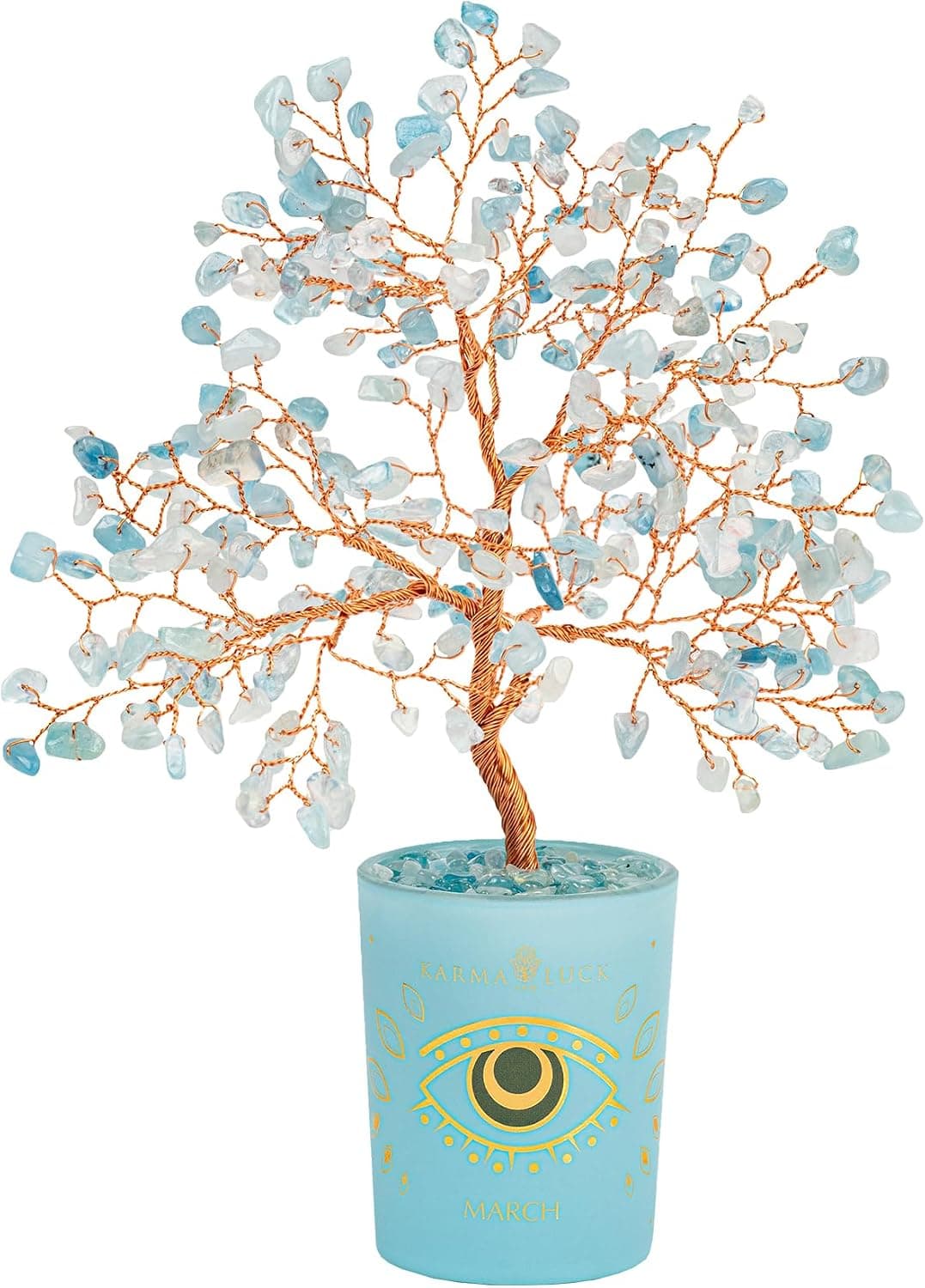 -29%
-29%Karma and Luck March Birthstone Crystal Tree of Life, Aquamarine Gemstone Fen...
 -29%
-29%Karma and Luck July Birthstone Crystal Tree of Life, Ruby Gemstone Feng Shui ...
 -29%
-29%Karma and Luck February Birthstone Crystal Tree of Life, Amethyst Gemstone Fe...
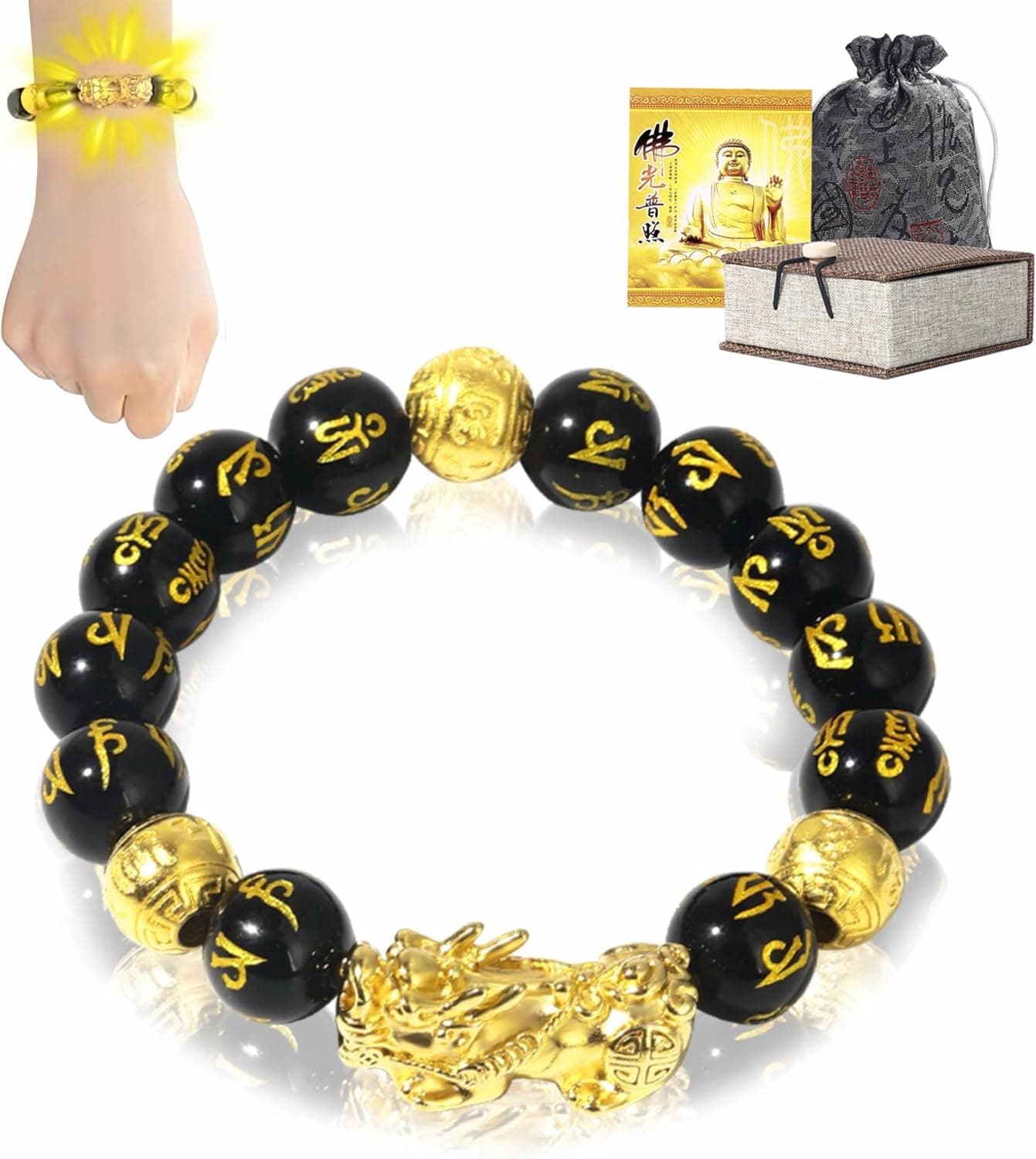 -50%
-50%biuufish Feng Shui Black Obsidian Bracelet for Men Women, 24K Gold Plated Pix...
As an Amazon Associate, we earn from qualifying purchases. We only recommend items our practitioners have personally tested.
Continue Your Journey
Explore these related guides to deepen your understanding:
Ready for Deeper Guidance?
Try our free I Ching reading for personalized wisdom, or explore our curated Feng Shui essentials.