A home can follow every element rule and still feel off; the failure usually starts earlier than anyone checks.
The Hidden Truth About five elements home balance feng shui
I keep seeing the same pattern: people add red for fire, wood for growth, metal for clarity, water for flow, and earth for stability, then wonder why the living room feels busier than before. The problem is not the elements themselves. It is the order in which the home receives them, because a weak input sets off a chain reaction. A little imbalance becomes clutter, then irritation, then poor sleep, then the sense that nothing gets finished.
One east-facing apartment I walked through had a teal rug in the entry, a brass lamp beside a walnut console, a bowl of black stones on the coffee table, and three red pillows on the sofa. On paper, it looked balanced. In practice, the owner said she stopped sitting in that room after 9 p.m., and the mail began piling up beside the front shoe bench. The room was not “wrong” in a dramatic way. It was overloaded in the first ten feet, where energy should have had room to slow down before it spread.
The cascade starts with the doorway. If the entry is crowded or overly stimulated, the rest of the home spends the day compensating. That means the kitchen gets too active, the bedroom gets too warm, and the desk starts feeling like a place for reacting instead of thinking. the front door pattern that sets the tone for the whole home matters more than most people admit, because it decides what arrives calmly and what arrives all at once.
And here’s the part many charts miss: the elements do not behave like decorative colors. They behave like pressures. Too much fire near metal and the room can feel sharp. Too much water near earth and the mood can turn heavy, almost stalled. A home may look complete while still teaching the nervous system to stay on guard.
Balance begins by checking where the strain enters, not by decorating every corner. That sequence matters.
Step One: Find the first point of overload
Start at the room that people cross the most. In many homes, that is not the living room; it is the hallway between entry and kitchen, or the narrow path beside the sofa where everyone squeezes through with bags and shoes. When that route carries too many strong cues at once, the eye keeps jumping, which keeps the body from settling. This is why a house can seem lively at noon and exhausting by evening.
A narrow corridor with bright white walls, a red runner, and a mirror facing the bathroom door will usually produce a familiar result: rushed movement, fragmented attention, and that odd feeling that the home is always half-finished. I have seen people blame the bedroom when the real issue was the corridor teaching the whole body to move too fast. Change the first bottleneck, and the rest of the space stops fighting itself.
mapping the house by function instead of by guesswork helps here, because the five elements only make sense when you know which rooms are doing the heavy lifting. A kitchen does not need the same balance as a study. A bedroom should not sound like a lantern festival. Different zones ask for different temperatures, different textures, different levels of visual noise.
So measure the home by sequence. Entry, route, gathering point, retreat point. That is the machinery.
Step Two: Match the element to the task
Wood belongs where you need growth, but growth is not the same as agitation. A plant on a bookshelf can soften a study; six fast-growing plants crowded around a desk can make the area feel restive, as though every task must happen at once. Fire belongs where expression and visibility matter, yet too much red in a bedroom often produces wakefulness that feels productive for one night and irritating by the third.
Metal suits editing, boundaries, and clean decisions. Put it in a work area with a clear desk lamp, a pale frame, or a round metal bowl, and the mind often stops drifting as much. Push metal into every room, though, and the home can start to feel over-managed, as if nobody is allowed to leave a cup out or breathe slowly. That is not discipline. It is tension dressed up as order.
Earth is the stabilizer. Ceramic, beige, ochre, stone, and square forms can help a room stop wobbling. Yet an earth-heavy room, especially one with tan upholstery, a clay lamp, and thick curtains, can become so static that conversations drag and laundry sits folded but not put away. Water brings movement and depth. Use it in a study or quiet corner, and thought can become more fluid. Place it where energy already sags, and the room may turn damp in mood rather than restful.
The trick is not to “use all five.” That advice sounds complete because it names everything. It fails because it ignores proportion. A mechanic would never add every fluid in equal measure and hope the engine behaves.
Step Three: Watch for the failure cascade
People usually notice the last symptom first. They say they are sleeping badly, or arguing more, or forgetting bills, or snacking late at night. By then the cause is already upstream. A cluttered entry creates split attention. Split attention creates small mistakes. Small mistakes create friction with other people. Friction creates a home that feels louder than it is.
Here is a simple chain I have seen more than once: a red accent wall in a dining room, a glass coffee table in the main seating area, and a black rug under the desk. The owner thought this gave the apartment “all the elements.” What actually happened was more interesting. Meals got rushed, the desk chair felt slightly irritating after lunch, and the evening light made the room look colder than before because the reflective surfaces kept bouncing brightness around without giving the eyes anywhere to land.
a bedroom arranged for rest instead of display breaks that cascade sooner than most people expect. One solid headboard, fewer mirrors, softer contrasts, and no aggressive color near the pillowline can change how the body interprets the room after sunset. That sounds small. It isn’t. Sleep is where the whole system gets repaired.
Notice the logic. When the room keeps asking for attention, your mind keeps answering. When your mind keeps answering, your body never fully drops its guard. Then the home begins to feel like a place you manage rather than inhabit.
Step Four: Make adjustments in the right order
Do not begin with accessories. Begin with the path your eyes take when you enter. Clear the first visible surface. Remove the object that catches the gaze before anything else does. Then look at the dominant surface in the room—the sofa wall, the desk wall, the bed wall—and ask which element is shouting there.
In a west-facing sitting room, a brass floor lamp by the window may support the metal quality of the space, but if the room already contains a chrome side table, a silver curtain rod, and white lacquer shelves, the effect becomes sterile. Warm that room with a plant in a plain clay pot, or a wooden tray on the coffee table, and the temperature changes without making the space fussy. That is the sort of adjustment that restores use, not just appearance.
Some readers want a shortcut, so they ask whether they can simply add the missing element from a chart. Sometimes. Yet the better question is whether the room has too much of one force already. I have seen more homes damaged by overcorrection than by scarcity. A single cure layered onto an already loud room can make the failure cascade faster, not slower.
an apartment with awkward proportions and limited lines of sight needs restraint first, then targeted balancing. A long sofa, one lamp, a plant, a grounded textile, maybe one reflective object. That may sound plain. Plain is often what finally lets the place exhale.
Less noise.
Step Five: Learn the common traps before they spread
Some people add water features because the chart says “flow,” then wonder why the room feels cooler and less settled. Others chase the missing element with bright decor, scented candles, and a shelf full of symbolic objects, then feel oddly overstimulated every time they sit down. A cure can become clutter with a philosophy attached.
The same goes for metallic decor in rooms that already have strong sharp lines. A black-framed mirror, a chrome lamp, and an angular side chair can make a studio look crisp in photos while making it difficult to relax in person. The body notices edges before it notices the logic of the design. It notices glare, too. It notices whether a chair feels like invitation or command.
If you want a sharper read on the mechanics, the deeper logic of why five-element adjustments can backfire is worth studying, because the issue is usually interaction, not absence. Fire feeds earth. Earth holds metal. Metal can cut wood. Water can cool fire. Those relationships help explain why one “helpful” object can stir up three other zones of the home.
Balance is not symmetry.
Common mistakes that make the cascade worse
One mistake is copying a color formula from a blog and applying it room by room. That feels safe because it gives the brain a checklist. The result is usually a home that looks coordinated but functions poorly, especially if the bedroom now shares the same intensity as the dining area.
Another is placing too many symbolic objects in the same line of sight. A dragon here, coins there, a crystal cluster on the shelf, and a plant in every corner can make the room feel like a display case. People rarely say, “I overdid it.” They say, “I can’t focus here.”
A third trap shows up in kitchens. Sharp knives left visible on a counter can make an otherwise calm space feel clipped and impatient, which is why knife placement changes more than most people realize. The kitchen may still be tidy, but meals get rushed and conversations shorten. That is not superstition. It is atmosphere.
Then there is the wealth corner problem, where people keep adding purple, red, coins, and water imagery to the same spot. The corner stops feeling like support and starts looking like an altar to anxiety. If money lives anywhere in a home, it needs steadiness before symbolism, which is why coin placement that feels intentional rather than scattered can do more than a decorative pile ever will.
The final mistake is treating one room as if it should solve the whole house. It will not. A bedroom can only do so much if the entry is chaotic and the kitchen is overstimulating. That is the hard part people resist. They want one fix. Homes usually ask for sequencing.
FAQ
Is conventional five elements home balance feng shui advice reliable?
Often not, because it usually skips the mechanism and jumps straight to objects. A red cushion does not fix a room that is already overactive at the threshold. First you reduce the pressure points, then you add support where the room actually needs it.
How do I know which element my home is missing?
Start with the room you avoid. What color, material, or shape do you keep unconsciously bypassing there? The missing piece is usually less about a symbol and more about what the room has failed to do—settle, brighten, anchor, soften, or guide.
Can I use all five elements in one room?
You can, but not as equals. A room that needs rest may only want one active note, one grounding note, and several quiet surfaces. Too many equal voices turn into static.
What should I change first if my home feels off?
Start at the front door, then the room you use most, then the room you sleep in. That order follows the failure cascade in reverse. Fix the entry, and a surprising amount of internal friction drops with it.
Do I need a full compass reading before making changes?
No, not for the first round. You can make solid adjustments by watching where the eye jumps, where clutter gathers, and where the body speeds up or slows down. A compass refines the work later; it does not replace observation.
One east-side room may need wood softened by earth; another may need fire cut back so the couch stops feeling like a waiting room. Same home, different pressure. Different response. The windows are still open, and the curtains move a little when the hallway door closes—small motion, but enough to tell you the room is listening.
Mei Chen
Traditionally informed guidance • Cross-referenced with classical Chinese source texts
Rooted in classical Chinese metaphysics and cross-referenced with original texts. Product recommendations are based on traditional symbolism, not guaranteed outcomes.
Practitioner-Selected Tools for This Topic
Items our team has tested and found effective for the principles discussed above. Individual results may vary.
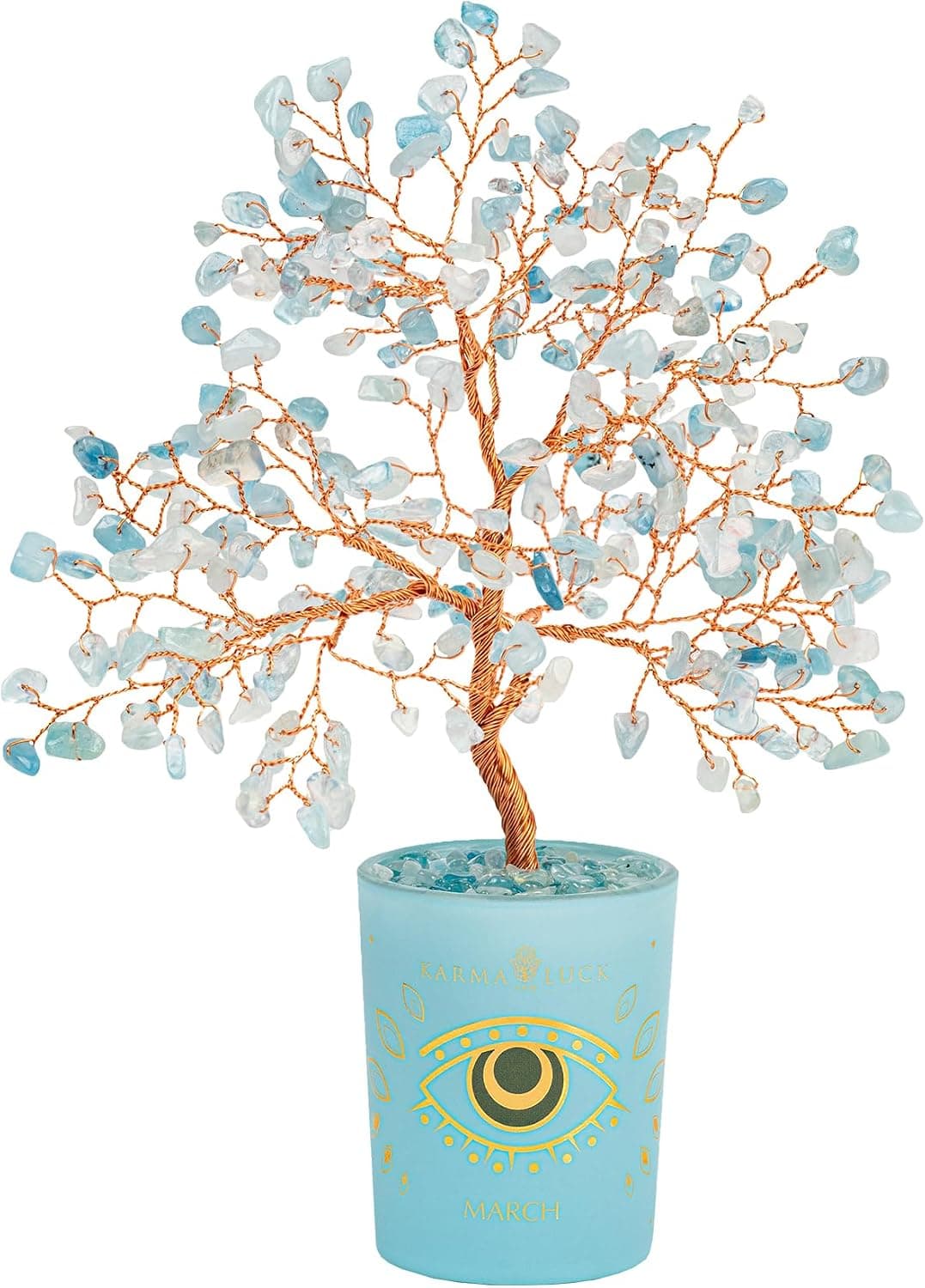 -29%
-29%Karma and Luck March Birthstone Crystal Tree of Life, Aquamarine Gemstone Fen...
 -29%
-29%Karma and Luck July Birthstone Crystal Tree of Life, Ruby Gemstone Feng Shui ...
 -29%
-29%Karma and Luck February Birthstone Crystal Tree of Life, Amethyst Gemstone Fe...
 -50%
-50%biuufish Feng Shui Black Obsidian Bracelet for Men Women, 24K Gold Plated Pix...
As an Amazon Associate, we earn from qualifying purchases. We only recommend items our practitioners have personally tested.
Continue Your Journey
Explore these related guides to deepen your understanding:
Ready for Deeper Guidance?
Try our free I Ching reading for personalized wisdom, or explore our curated Feng Shui essentials.