A desk pushed into the right alcove can calm a room. Put it in the wrong one, and the whole setup starts resisting you.
The Real Story Behind Feng Shui Desk
When you study Feng Shui Desk in depth, patterns emerge that casual guides miss. People keep chasing the same advice: face the door, avoid a wall behind you, keep the surface clear, add a plant, buy a crystal, and call it handled. Then they sit in a bright open room and still feel twitchy by 3 p.m., or they work inside a tidy office and somehow get less done than they did at the kitchen table.
The missing piece is not decoration. It is enclosure. Recessed spaces, alcoves, and little pockets carved into a room can do more for concentration than an expensive desk or a perfect view, because they reduce visual scatter and give the body a sense of a boundary. That boundary matters. The nervous system reads it before the mind explains it.
I walked into a marketing consultant's home office last spring in Oakland and saw the problem immediately: a white desk floating in the middle of a large spare room, a blue file box on the floor, and a laptop facing a blank wall. She had copied every common recommendation, right down to a lucky bamboo plant near the window. Yet she kept missing deadlines and feeling oddly exposed during video calls. We moved the desk into a shallow recessed niche beside the closet, three feet from the north window, and the change showed up within a week: fewer midafternoon distractions, less jaw tension, and a noticeable drop in the habit of wandering into the kitchen for no reason. Not magic. Better containment.
That is why the usual advice can backfire. A desk in the middle of a room may look like command, but it often behaves like a stage. A desk tucked into a well-shaped alcove can feel grounded without becoming boxed in. Wrong. People hear that and assume I am saying every wall is good and every open view is bad. Not even close.
Why the alcove works when a flat open room doesn't
Recessed space changes how qi moves around the body. In a broad open plan, attention leaks sideways. You hear the refrigerator click on, catch movement in the hallway, notice the mirror, notice the pile of mail, and then notice that you noticed all of it. A tucked position cuts down that visual drag. The room stops pulling your eyes in six directions at once.
Think of a desk placed just inside a shallow niche with the chair backed by a solid wall and the opening angled toward the room's center. That arrangement gives you the support of a shell without shutting off awareness. The old texts would call this a place where qi can gather rather than scatter. Modern language says the same thing differently: less stimulation, more sustained focus. I've seen accountants, designers, and a retired high school teacher all respond to that shift within days.
Another detail gets ignored. Many so-called desk rules were borrowed from bedroom logic or from front-door logic and then flattened into one-size-fits-all advice. A work surface is not a bed. It is not a threshold. It is a place where decisions are made, calls are taken, and unfinished thoughts collect. That means the room needs to hold your attention without pinning it down. The alcove does that better than the center of the room when the alcove is open enough to breathe.
You'll notice the difference in the body first. Shoulders drop. Eyes stop roaming. The hand that keeps reaching for the phone slows down. Small changes. Real ones.
Why the conventional setup keeps getting praised
Open placement looks impressive on a camera. That's part of the problem. Social media likes symmetry, empty corners, and desks staged like showrooms. Real work does not care how the frame looks. It cares whether your brain has to fight the environment every ten minutes.
There is also a misunderstanding about the command position. People repeat the phrase as if it means, "Put the desk anywhere you can see the door." That can work in some rooms. It fails in others, especially narrow offices where the doorway is too close or the visual field is too broad. If the chair ends up in a traffic lane, if the desk points into a glare from the west window, or if your left shoulder is brushed by everyone walking past, the setup is restless by design.
I've seen dozens of home offices where the owner believed they had "done feng shui" because the chair faced out. Then the printer sat in the awkward corner, the cable bundle hung like tangled vines, and the desk drifted a little closer to the hallway every time someone needed storage. One software engineer in Portland moved his desk from a window-centered position into a recessed study nook beside a bookcase, and his afternoon headaches eased because he stopped squinting across the room to see who was behind him. The room became quieter to the eye. That was enough.
How to read an alcove before you put a desk there
Start by checking the opening. A good alcove is not a cave. It should allow a clear line of sight toward the room, with enough air on one side so the seat does not feel trapped. If you have to twist your torso to enter the chair or bump your elbow every time you reach for a drawer, the space is too tight.
Look at what sits behind you. Solid backing is helpful. A wall, tall bookcase, or closed cabinet can support the seat far better than a thin curtain or a window that opens to street noise. I prefer the desk to sit about one to two feet inside the recess rather than shoved all the way to the back, because that tiny buffer keeps the workspace from feeling wedged. The body likes a little room to arrive.
Then watch the light at 9 a.m. and again near dusk. A nook that catches sharp glare on the monitor will wear you down fast. If the west sun slices in late afternoon, rotate the desk or use a screen so the light washes the side, not the eyes. If the alcove is dark, add a lamp with a warm shade instead of flooding the room with harsh white light. The point is balance, not drama.
Placement also depends on what happens around the opening. A hallway with constant foot traffic creates a different effect than a quiet corner beside a wardrobe. One feels like a station. The other feels like shelter. Make the office match the life you actually live, not the one you wish you had on a perfect Tuesday.
What to do when the alcove is too small, too deep, or oddly shaped
Small recesses can still work. In fact, some of the best desks I have seen were no larger than a linen closet opening with one side removed. The trick is to avoid pressing the chair so deep into the pocket that the back of your head feels pinched. Leave space for the elbows and for air to move behind the screen. If the surface is cramped, the mind will start feeling cramped with it.
Deep alcoves need a different approach. Break the tunnel effect with something light and upright: a narrow lamp, a vertical art print, or a bookshelf with open sections. A long, shadowy niche can create a kind of mental sinkhole if every surface is dark and heavy. That is where people blame the work when the room is doing the damage.
Odd shapes are common in older homes. I once worked in a 1920s bungalow in San Diego where the "office" was really a notch beside the chimney breast, painted pale sage and cut at a slight angle. The owner thought the slant made it unusable. We placed a compact oak desk on the longer side, put a brass lamp on the opposite edge, and left the angled wall bare except for one framed landscape. Her proposal-writing sessions went from scattered to steady. The angle stopped feeling like a flaw and started functioning like a container.
And no, you do not need to fill every inch. A crowded recess is worse than an open one. Leave some emptiness. That pause is doing more work than the objects are.
Common mistakes people make with desk placement
One mistake is copying bedroom rules into a work zone. A desk does not need the same softening, low contrast, or sleepy stillness that helps a bed. Too much softness can blur the edge of work. The result is procrastination dressed up as comfort, then a stack of half-finished tasks on the right side of the keyboard. See how bedroom habits quietly interfere with other rooms for the crossover problem people miss.
Another is treating every corner as lucky. A corner can hold qi, sure, but a dead corner with no light and no movement can also collect stale air, dust, and hesitation. Put a desk there without checking the flow and you may notice more stale coffee cups, more browser tabs, and a weird resistance to starting. If the room feels like it has to be coaxed into life, that corner is not helping.
People also chase objects before structure. A brass paperweight will not rescue a bad placement. A pile of coins won't fix a desk that sits in a draft or directly in line with a hallway blast. Money pages talk about symbolic objects for a reason, but the setting comes first. See coin placements that make money feel managed, not chaotic if you want to understand why objects only work when the surface underneath them is sane.
Then there is the reflex to force visibility. Some readers believe every desk must face outward like a lookout post. That sounds strong until you realize you're spending your day scanning instead of settling. In a narrow alcove, a slightly angled seat often works better than a perfectly square one because it keeps awareness open without turning your whole body into a guard tower. The room should support work, not put it on patrol.
Mess is another issue, though not in the tidy-blog sense. A single charger, a mug, and one notebook are fine. The problem starts when the recess becomes a parking lot for old bills, spare cables, and dead plants. Then the nook begins to feel neglected, and people quietly avoid it. The work follows the avoidance. Big mistake.
Finally, don't ignore the surrounding room. A desk can sit beautifully inside an alcove and still fail if the rest of the office is noisy, overlit, or emotionally cluttered. A loud print on the opposite wall, a blinking router, or a broken lamp in view can keep the mind on edge. The desk is one node in a larger field. That field matters.
When conventional advice still makes sense
Sometimes the open-room approach is better. A consultant who spends all day on calls may need a wider field of view to stay alert. An artist working on large layouts may need the desk to float so the room can breathe around the project. A parent who checks homework while children move through the space may need sightlines over enclosure. Context decides.
Open placement also helps when the alcove is poorly formed. If the recess is too narrow, faces a laundry basket, or forces the chair under a beam, don't romanticize it. Move the desk out. There is no prize for suffering in a bad nook because someone on the internet said recesses are ideal. The best placement is the one that reduces friction in the actual room.
For a broader map of how a room organizes attention, it helps to read how to map energy in your home without overthinking it. That larger pattern tells you when a tucked workspace belongs in a support zone and when an open one is better left open. Room logic always beats slogan logic.
And if you keep finding that every arrangement feels off, the issue may not be the desk at all. The balance of elements in the room might be skewed toward heat, glare, or stiffness. Five Elements Theory explains why good feng shui still feels wrong when the atmosphere is out of proportion. That mismatch shows up fast at a desk because the desk is where concentration meets the room head-on.
Quick start for a desk in a recessed space
First, pick the alcove with the least visual clutter and the most stable backing. Second, sit in the chair and notice whether you can breathe without feeling boxed in. Third, check the monitor for glare, the seat for draft, and the opening for traffic. Simple. Not easy, but simple.
Then work there for three days before changing anything else. People love to move one lamp, add a plant, then decide the whole setup failed after one distracted afternoon. That is not testing. That is impatience.
What you are looking for is a small shift in behavior: fewer fidgeting breaks, less shoulder tension, a clearer start to the morning. If those appear, the alcove is doing its job. If they do not, the room is telling you something blunt.
And yes, sometimes the room tells you to leave it alone. That answer is annoyingly common.
FAQ
Is conventional Feng Shui Desk advice reliable? Often not by itself. It gives you a few visible rules and leaves out the room's structure, which is usually the part that actually shapes attention. Facing the door can help, but if the chair sits in a draft or the desk floats in a noisy passage, the setup still drains you.
Can a tiny alcove really improve focus? Surprisingly, yes. A small recess can reduce visual noise enough that your mind stops jumping. I've seen a narrow nook beside a stair landing outperform a bigger office because the body felt held instead of exposed.
What if my alcove feels cramped? Then it probably is. Leave space around the seat, raise the lighting a little, and avoid stacking storage above your head. If the shoulders rise every time you sit down, the recess is too tight for long work sessions.
Should I add plants or crystals to the desk right away? Start with placement before objects. A plant in a bad position becomes another thing to ignore, and a crystal on a bad surface just becomes decor. Fix the room first, then decide whether you still need extras.
Does an alcove work for shared offices? It can, especially when one person needs lower interruption. The catch is traffic. If the recess sits beside a printer or a loud doorway, the benefit disappears fast and the desk starts feeling borrowed instead of owned.
How do I know the desk is in the right place? Watch your habits for a few days. Do you stay seated longer, stop scanning the room, and begin work with less resistance? That's the sign. The chair should feel like an anchor, not a perch waiting to be abandoned.
One recessed nook, a brass lamp, a cedar file box, and a chair that no longer drifts toward the doorway. Sometimes that is all it takes to change the mood of a workday, and the room keeps its reasons to itself.
The question is whether your desk is actually being held, or just parked where it happens to fit.
Mei Chen
Traditionally informed guidance • Cross-referenced with classical Chinese source texts
Rooted in classical Chinese metaphysics and cross-referenced with original texts. Product recommendations are based on traditional symbolism, not guaranteed outcomes.
Practitioner-Selected Tools for This Topic
Items our team has tested and found effective for the principles discussed above. Individual results may vary.
 -29%
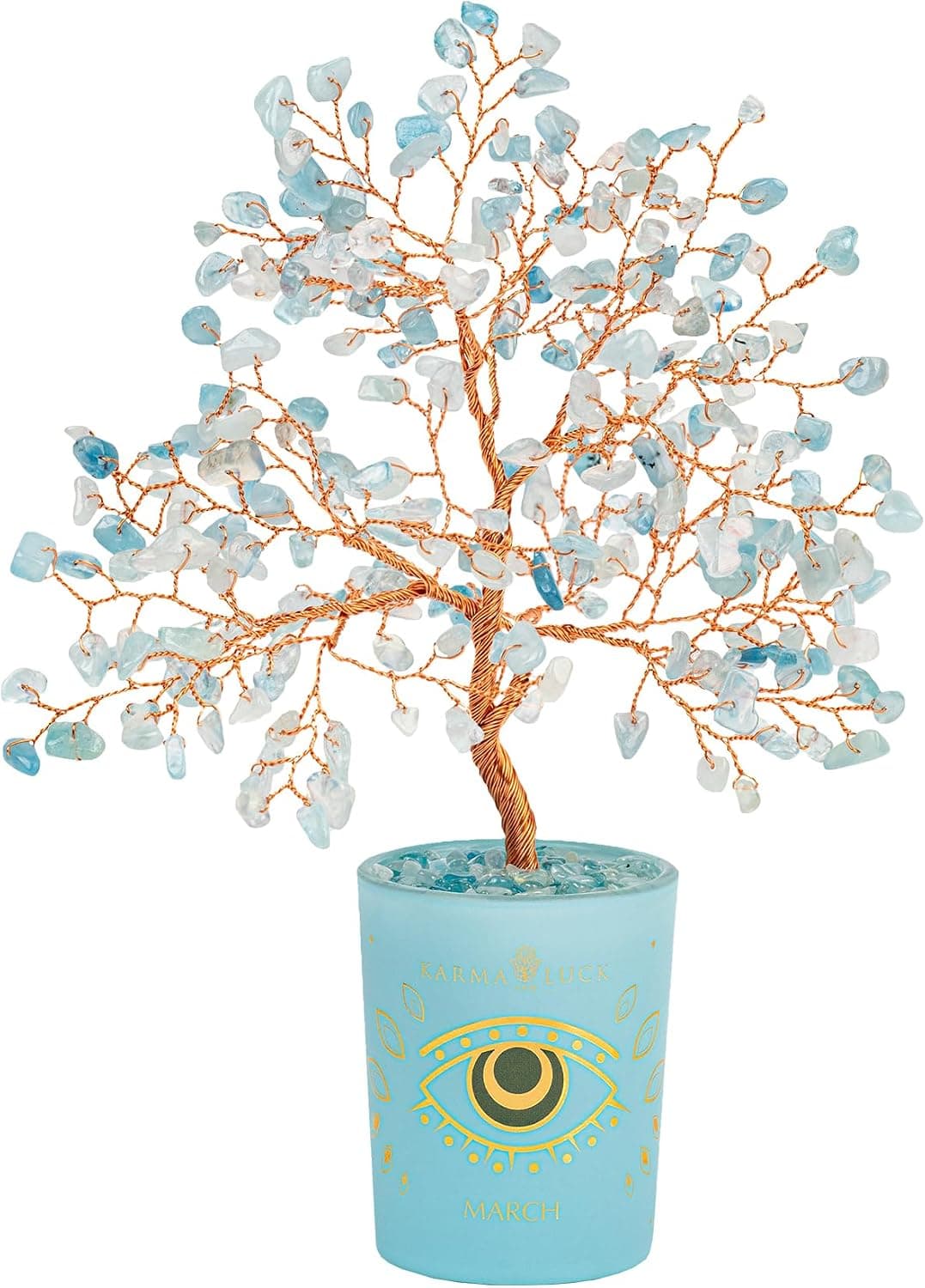
-29%Karma and Luck March Birthstone Crystal Tree of Life, Aquamarine Gemstone Fen...
 -29%
-29%Karma and Luck July Birthstone Crystal Tree of Life, Ruby Gemstone Feng Shui ...
 -29%
-29%Karma and Luck February Birthstone Crystal Tree of Life, Amethyst Gemstone Fe...
 -50%
-50%biuufish Feng Shui Black Obsidian Bracelet for Men Women, 24K Gold Plated Pix...
As an Amazon Associate, we earn from qualifying purchases. We only recommend items our practitioners have personally tested.
Continue Your Journey
Explore these related guides to deepen your understanding:
Ready for Deeper Guidance?
Try our free I Ching reading for personalized wisdom, or explore our curated Feng Shui essentials.