Your front door color can look right and still fail when the stairs behind it pull qi in the wrong direction.
The Real Story Behind Feng Shui Front Door-color-meaning
The popular narrative around Feng Shui Front Door-color-meaning doesn't hold up under scrutiny. I noticed it in a narrow townhouse in Jersey City, where the front door was painted a confident lacquer red, the brass knob had been polished until it flashed, and a straight staircase rose six feet behind the entry like a conveyor belt. The owner had done what every blog told her to do, and yet the house felt restless the second you stepped inside. Not dramatic. Worse. Restless in a way that made you want to leave your shoes on and your coat half-zipped.
She had expected the red door to attract opportunity. Instead, her mail piled on the small black console table by the entry, her sleep got lighter, and her husband kept forgetting to answer messages from clients. I asked her to stand at the threshold and look up the stairs. The problem was obvious the moment she did. The door said “welcome,” but the staircase said “move on.” That vertical pull changed everything.
People love to treat the front door as a standalone symbol. It isn't. The door is part of a sequence: street, threshold, entry, stair, upper floor. If that sequence rushes upward too fast, the color choice at the door has less influence than people think. A color can support the mouth of qi, but it cannot stop a house from funneling energy upward the second the frame opens.
That is why the common advice feels incomplete. Red for fame. Black for flow. Green for growth. Fine, in a vacuum. In a house with a stair landing directly across from the entry, the real question is not only what color sits on the wood. It's what happens to the body when it crosses the threshold. The shoulders lift. The breathing shortens. The mind starts scanning for the next task instead of settling into the room.
The staircase changes the meaning before the color does
A front door facing a staircase creates movement that feels almost impatient. In classical terms, you get qi arriving and immediately climbing, which weakens the sense of anchoring at ground level. A bold color can intensify that motion. A softer tone can calm it, but only if the rest of the entry supports landing, not launching. This is where mapping the home without guessing at sectors matters more than copying paint advice from a comment thread.
Think about the physical experience. In a house in Oakland, I saw a deep blue door paired with white stairs only four feet beyond the foyer. The family thought blue would feel peaceful. Instead, the entry felt like a tunnel. Their teenage daughter never put her backpack down there; she ran straight upstairs, and the kitchen table became the real drop zone for everything. That detail mattered. The house trained them to bypass the entry entirely.
Color does have language, but it speaks through context. Blue can quiet a hot, overactive entrance. Red can stimulate reputation and visibility. Green can soften an overly harsh approach. Yet if the first thing the eye hits after the latch is a staircase, the doorway becomes a launch pad. The color is a note. The stairs are the melody.
Wrong. People keep buying paint samples as if the door were a poster on a wall. It isn't. It is a threshold that either slows the body down or sends it rushing upward.
What happened when the door was corrected, not just recolored
I returned to that Jersey City townhouse two weeks later after the owner had repainted the door from bright red to a muted charcoal with a warm bronze knocker. She had also added a runner in the entry, a low ceramic bowl on the console, and a pendant light that cast a softer pool instead of a hard glare. The staircase remained. We did not pretend otherwise. Still, the change was immediate. The entry felt lower, heavier in the best sense, like the house had finally put both feet on the floor.
The husband stopped forgetting his evening calls within a few days. The mail stopped disappearing into a corner because the console no longer looked like a dumping ground. Even the dog—an anxious terrier who used to race upstairs the moment the door opened—paused at the landing and sniffed before choosing a direction. These are small details, but small details reveal whether a home is supporting pause or only velocity.
Here's the part people resist: the best front door color for a staircase house may be the one that does less. Not dull. Not dead. Controlled. A softened black, a clay red, a deep olive, even a creamy neutral can work better than a bright, high-gloss statement when the architecture is already shouting. Stronger isn't always better. Sometimes it just means louder.
That is why I send readers to the full front door placement guide for larger homes and awkward entries when they need the whole picture. A color decision made without considering the stairs is like choosing a tie before checking whether the jacket fits. You can do it, but you may dislike what the rest of the outfit says.
How to choose a door color when the stairs are doing the real work
Start by standing outside the door, then again just inside the entry. Ask a blunt question: does the space gather me, or does it shoot me upward? If the staircase is visible the moment you enter, use color to slow the pace. Earth tones, softened reds, and restrained darks tend to give the eye a place to rest. High-gloss finishes, neon-bright shades, and sharp contrasts can make the whole entry feel like a starting block.
Direction still matters, but not in the cartoonish way people repeat online. A north-facing door painted a cooler hue may feel balanced, yet if the stair rail is pale metal and the wall opposite is bare white, the house can still feel slippery. A south-facing entry can handle more warmth, but a staircase directly in front of it may amplify impatience and argument. The architectural cue beats the symbolic one more often than people want to admit.
Try this in practical terms. If the door opens to stairs within two to three steps, keep the color grounded and the surrounding surfaces textured. Put a mat with some weight underfoot. Hang one piece of art low enough that the eye pauses before it rises. Use a lamp with a warm bulb near the entry so the space feels inhabited, not staged. The body reads these things instantly, long before the mind starts inventing theories.
And do not ignore what the landing is doing. A mirror facing the stairs can fling movement upward. A shoe rack jammed under the first riser can make the whole zone feel crowded and anxious. For homes where sharp objects and clutter already make the entry tense, placement mistakes in the kitchen show the same energy pattern: too much visual cutting, too little containment. Different room, same mistake.
One family I worked with in Portland had a pale yellow door, a narrow staircase, and a framed mirror hung dead opposite the entry. They thought the mirror made the hallway look bigger. It did, for about two seconds, and then the space felt like a draft. Once the mirror moved and the door became a subdued forest green, their teenagers stopped treating the foyer like a pass-through zone and started dropping their keys in the ceramic dish by the stairs. The house finally asked for a pause, and they gave it one.
That pause is not decoration. It is the whole point.
When the advice online becomes expensive
The internet loves neat matches: red door for fire, black door for water, green door for wood. Clean. Easy to sell. Not even close. A house is not a flashcard. The same color that feels alive on a cottage with a sheltered porch can feel aggressive on a narrow urban rowhouse where the staircase is visible from the street. Context decides more than doctrine.
Another mistake is choosing a color that belongs to a goal, not a building. People paint the door red because they want recognition, then wonder why the foyer gets overstimulated and the home office upstairs becomes noisy. They add black because they want money, then complain that the entrance feels cold and unwelcoming in winter. The color may be symbolically correct and spatially wrong. That split is where the trouble begins.
I've seen the same pattern in homes that felt almost right except for one thin detail: a stair runner that was too shiny, a white door that reflected too much afternoon sun, a dark entry trapped by a dim bulb. These are not minor issues. They shape the first breath you take after opening the lock. They decide whether you linger to take off your shoes or rush through with your bag still on your shoulder.
For a broader framework, the five elements explanation for stubbornly awkward spaces helps make sense of why a door color can be “right” and still fail. If the house is already overactive, more fire doesn't help. If it feels vacant, more coolness can make it feel abandoned. The answer is rarely more of the same.
The colors that tend to settle a staircase entry
Muted red suits homes that need presence without agitation. It can support visibility while keeping the threshold from shouting at visitors. Soft black or deep charcoal works well when the entry needs gravity and a sense of finish, especially if the stairs are pale or the hallway is overlit. Olive, moss, and other grounded greens can soften a sharp rise and give the eye something to land on before it climbs.
Warm neutrals earn their place in houses where the staircase already has a lot of visual movement. Cream, sand, clay, and taupe can make the door feel integrated rather than performative. A bright door can still work, but only when the entry is wide enough, the landing has breathing room, and the stairs don't dominate the first view. In cramped spaces, restraint usually wins.
Then there are the finishes. Matte can calm a restless foyer. Satin gives a little life without turning the surface into a glare trap. High gloss can be beautiful on a very simple façade, but on a tight entry with stairs directly behind it, the reflection often adds a nervous shimmer the homeowner notices only after a week of poor sleep and more forgotten chores.
Want a deeper look at the body-level effect of color in resting spaces? the bedroom color guide for calmer nights shows the same principle from a different angle: if a shade keeps the nervous system alert, the room pays for it later. Different room, same nervous system. The house does not care whether you intended well.
And yes, the front door can still be beautiful. Beautiful, though, is not the same thing as energetic harmony. I've watched people choose a glossy cherry red because it photographed well, then wonder why the entry always felt like a stage set. A house should not make you feel as though you are arriving for an audition.
Common fixes that backfire
Painting the door a brighter color to “lift the chi” often makes the staircase effect worse. The eye catches the color, then shoots upward to the next level, and the whole house starts feeling top-heavy. Adding more decorative objects near the door can create the same problem. Too many accents, too little pause.
Mirrors near the entry seem helpful until they reflect the stairs straight back at you. Then the movement doubles. Big mistake. Another one: darkening the door without improving the lighting. The entrance can tip from grounded to gloomy fast, especially in winter when the interior already lacks daylight.
Clutter gets romanticized as “lived-in.” That's a cover story. A pile of boots by the base of the stairs, a leaned broom, a basket of unopened packages, a cracked umbrella stand—these things tell the body there is no landing place here. Wealth qi does not like being tripped, and neither does a guest.
I've seen people fix the wrong room first. They worry about the living room sofa or the bedroom curtains while the front door keeps acting like a wind tunnel. If the entry is wrong, the rest of the home has to work harder. Sometimes much harder. The old saying about the mouth of qi still holds up, but only if the mouth can actually pause before swallowing the whole staircase.
FAQ
Is conventional Feng Shui Front Door-color-meaning advice reliable?
Often not on its own. A color can be symbolically correct and still fail if the staircase, lighting, and circulation are working against it. The shape of the entry usually decides the outcome first.
Should I repaint if my door faces stairs?
Maybe, but only after you look at the whole entry. If the current color is loud, glossy, or too cool for the space, a more grounded shade may help. If the real problem is clutter, glare, or a mirror at the landing, paint alone won't fix the drain.
What color is safest for a narrow entry with a staircase?
Soft earth tones usually behave well because they slow the eye down. Deep charcoal, muted green, or a clay red can work too, provided the finish isn't flashy and the lighting isn't harsh. The wrong finish can undo the right color quickly.
Does the stair direction matter more than the door color?
In many homes, yes. A staircase that climbs directly from the entry creates vertical momentum that can overpower a clever paint choice. You can support the space with color, but architecture sets the tempo.
What if I love a bright front door anyway?
Then give the entry more weight elsewhere so the color doesn't run wild. A textured mat, a grounded light fixture, and a calmer wall opposite the door can help. The house should hold the color, not chase it.
Can a door color affect sleep upstairs?
Surprisingly, yes. If the entry funnels movement straight up the stairs, the whole house can feel more alert, and that alertness often shows up in lighter sleep or a harder time settling at night. The first few steps inside can echo farther than people expect.
Stand at the threshold after dark, when the hallway light is on and the stairs are empty. If the door color glows while the landing feels like it is already leaving, what exactly is the house asking you to do first?
Mei Chen
Traditionally informed guidance • Cross-referenced with classical Chinese source texts
Rooted in classical Chinese metaphysics and cross-referenced with original texts. Product recommendations are based on traditional symbolism, not guaranteed outcomes.
Practitioner-Selected Tools for This Topic
Items our team has tested and found effective for the principles discussed above. Individual results may vary.
 -29%
-29%Karma and Luck March Birthstone Crystal Tree of Life, Aquamarine Gemstone Fen...
 -29%
-29%Karma and Luck July Birthstone Crystal Tree of Life, Ruby Gemstone Feng Shui ...
 -29%
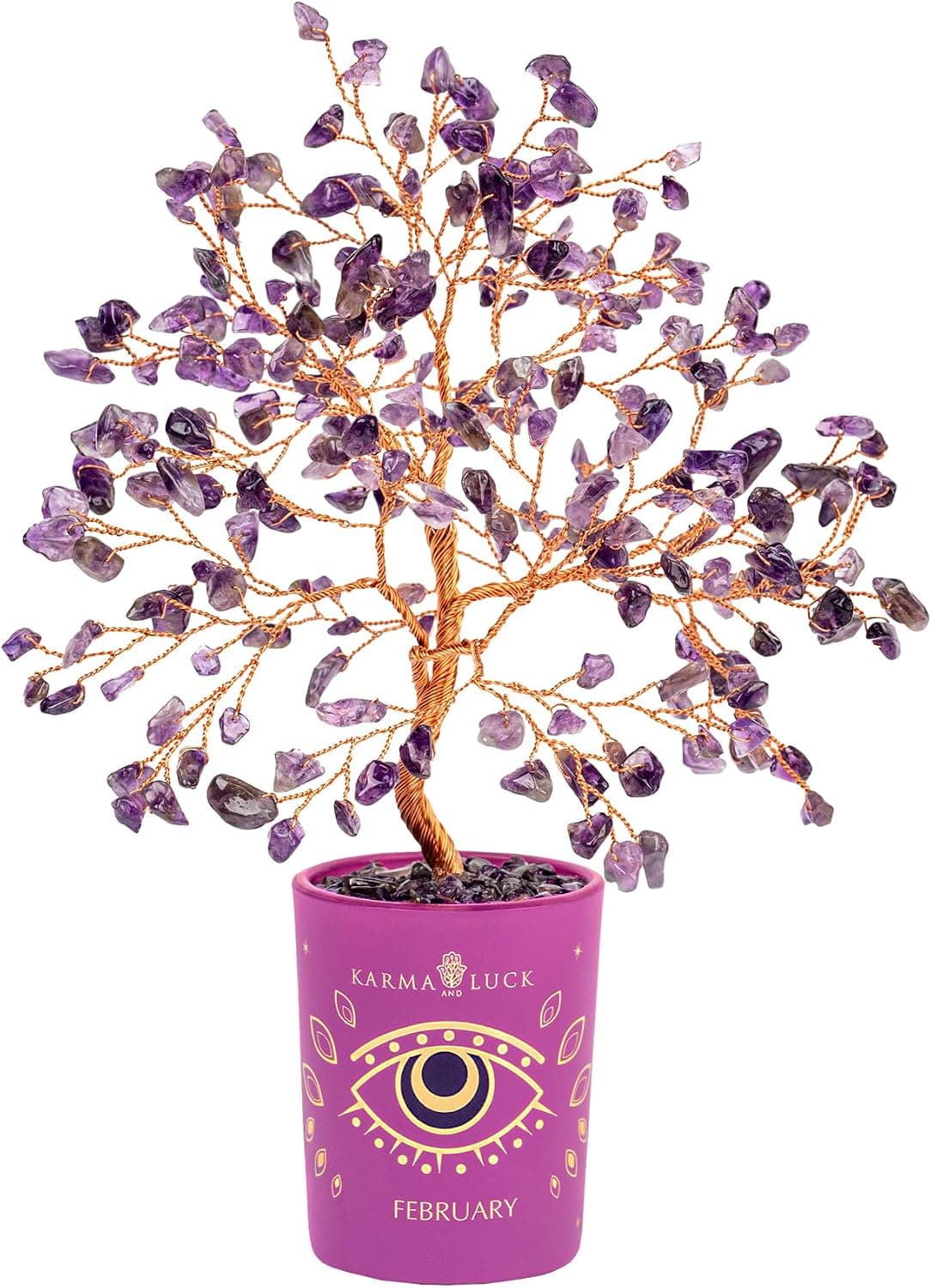
-29%Karma and Luck February Birthstone Crystal Tree of Life, Amethyst Gemstone Fe...
 -50%
-50%biuufish Feng Shui Black Obsidian Bracelet for Men Women, 24K Gold Plated Pix...
As an Amazon Associate, we earn from qualifying purchases. We only recommend items our practitioners have personally tested.
Continue Your Journey
Explore these related guides to deepen your understanding:
Ready for Deeper Guidance?
Try our free I Ching reading for personalized wisdom, or explore our curated Feng Shui essentials.