
Remove a wall, and you may remove the very boundaries that let zodiac-based adjustments work at all.
The Hidden Truth About tips chinese zodiac feng shui
in open plan homes. Strip out the walls, and the usual advice loses the rooms it was meant to organize, which means the cure can start leaking into the wrong part of the house.
I saw that happen in a loft with a charcoal sofa, a brass floor lamp, and one long kitchen line that ran straight into the dining area. The owner had placed horse-year accents in the living zone, metal objects near the entry, and a water feature by the window because every chart she read said the same thing: match the animal, correct the element, improve the luck. Yet her sleep got lighter, her work desk felt restless by 3 p.m., and every conversation in the apartment turned sharp by evening. Not because the symbols were wrong. Because the space had no containment. A cure dropped into an open field behaves differently than one set inside a room with a door.
That is the first mechanism people miss: zodiac guidance assumes you can localize influence. In a segmented home, the bedroom can be calm while the kitchen stays active, the entry can receive movement while the bed stays protected, and a single adjustment can influence one sector without spilling everywhere else. Remove the walls, and the movement pattern becomes continuous. Sound travels farther, sightlines stretch, and your nervous system stops “closing” one area at a time. The result feels subtle at first, then obvious: you eat at the counter, answer messages from the sofa, and keep seeing the same bright objects from every angle. The house never gets to switch states.
That is why the advice sounds convincing and still fails. It names the animal. It names the element. It forgets the container.
For a deeper map of room boundaries and flow, pair this with how to map energy in your home without overthinking it, because the bagua only makes sense when you know where one activity stops and another begins. If your layout has already erased those edges, the usual zodiac fix needs restraint, not more objects. A bedroom can still be a bedroom in an open layout, but only if you create visual and behavioral borders that the floor plan forgot to give you.
One more complication: people think more openness equals more freedom. Sometimes it does. Sometimes it just means your feet, eyes, and attention never stop moving. That's not spaciousness. That's scatter.
How the Problem Builds, Step by Step
The failure usually starts with input conditions. The home is open plan, the entrance lands directly on the living area, the kitchen shares sightlines with the sofa, and the bed sits where a partial wall used to stand. Then the owner adds zodiac-friendly objects in separate spots, expecting each one to act like a local signal. But the signal has no border to work inside.
Step one is visual dominance. A red object near the entry draws the eye across the whole apartment, so the bright influence does not stay at the door. Step two is movement bleed. People cross the same path to cook, relax, and work, which means the same qi pattern gets reinforced all day. Step three is behavioral mixing. You open mail at the dining table, then answer a call from the couch, then brush your teeth while checking a chart on your phone. The space teaches your body that no activity deserves a firm finish. If your chart asks for wood in one area and water in another, the home may keep flattening both into one blur.
There is a reason old layouts separated functions. Not for nostalgia. For friction control. Boundaries slow the wrong transfer.
That is also where bedroom rules that affect both sleep and relationships become more useful than generic zodiac slogans. A sleeping area in an open loft needs more than a lucky color. It needs a line of behavioral command. In practice, that can mean a tall headboard, a rug that defines the sleep zone, a lamp that stays off after dark, and no work papers within arm's reach. The point is not decoration. The point is state change.
Consider the psychology. Your brain reads open sightlines as unfinished business. It keeps scanning for the next task, the next person, the next object that might need attention. A room with edges tells the body, “this part is for rest.” A room without edges keeps saying, “just one more thing.” That tiny message repeats until your sleep lightens, your temper shortens, and your focus slips.
Ask a different question than the usual one. Don't ask, “Which zodiac cure should I place?” Ask, “Where does this influence stop?” That single shift changes the whole job. It also changes how you use annual remedies for 2026 flying stars, because annual cures behave better when they are placed in a clear, bounded sector rather than sprayed across a room that has no sector logic left.
What Actually Works in an Open Layout
Start by rebuilding borders before you add more symbols. A low bookshelf behind a sofa can separate the resting zone from the passageway. A runner rug can make a hallway feel like transit instead of storage. Even a change in lighting does real work: a brighter lamp over the dining table and a softer pool of light near the sofa create two different moods, which helps the house stop behaving like one undifferentiated surface.
Then place zodiac adjustments where they can influence behavior, not just appearance. If you are trying to support a wood-sign year, put the living plant in a spot that is seen from one angle, not all angles. If metal is the need, keep the metal object near an edge, such as a side table beside the entry, rather than in the center of the shared room. If water belongs in the plan, let it sit where it does not flash at the bed or reflect the stove. That sounds fussy until you notice what happened when the same shiny bowl kept catching the morning sun and bouncing light onto the pillow at 5:40 a.m. The room looked elegant. Sleep got shorter.
People rarely want to hear that the missing cure may be less decoration and more restraint. Gentle confrontation helps here. The popular advice often says to “enhance” the sector. In an open plan, enhancement without containment can make the whole apartment noisier. Sometimes the better move is subtraction: fewer reflective surfaces, fewer open shelves filled with bright objects, fewer competing focal points. A quieter room reads as more stable, and stability is what a zodiac adjustment actually needs.
If your floor plan merges kitchen and living room, keep sharp objects and active cooking visuals out of the main sitting line. The kitchen already carries heat, motion, and decision-making. When that sits in direct view of the sofa, the body stays half-alert. I have seen a white galley kitchen with stainless-steel appliances keep a family in a state of low-grade irritation because the couch faced the oven, the snack jar, and the sink all at once. Nobody said the apartment felt “bad.” They said they were tired.
For home placement that manages resources instead of scattering them, see coin placements that make money feel managed, not chaotic. Coins work best when they mark a stable edge, such as a drawer, a small dish, or a cabinet shelf. In an open layout, they should not float around as decorative clutter. Give them a job. Otherwise, they become visual static.
And do not ignore the front door. It remains the home’s first choke point, even when the floor plan is wide open. A strong entry contains movement before it spills into the rest of the house, which is why the principles behind the alcove advantage that changes a front door fast still matter. In a loft, the entry may need a screen, a plant, or a narrow console to slow the rush of outside energy before it floods straight to the sofa.
One practical test is simple. Stand in the doorway at night with the main lights off. Can you see the bed, the sink, the desk, and the TV in one line? If yes, your home is behaving like one continuous trigger. Break that line first. Add cures second. You will feel the difference before you can explain it.
Common Mistakes People Make After They Remove Walls
They use one zodiac cue for the entire apartment. It feels efficient, because a single object seems easier than redesigning boundaries. What actually happens is that the cue gets diluted across sleep, work, cooking, and social time, so nothing receives a clear signal. The result can be disrupted sleep, constant snacking, or the strange sense that every room starts in the middle.
They fill the open area with many symbolic items. That looks informed. It also creates visual noise. The eye jumps from figurine to plant to crystal to framed print, and the mind never lands. I have watched that kind of setup turn a calm evening into a restless one, especially when the surfaces were glossy white and the whole room reflected lamp light back at the person sitting there.
They forget acoustics. Open homes bounce sound. A small metal object on a shelf, a hard dining chair, and an echoing wall together can keep a room feeling sharper than intended. That sharpness matters. It pushes people to speak faster, interrupt more, and leave the room sooner than they planned.
They copy sector advice from a traditional floor plan without checking the actual room edges. In one apartment, the so-called wealth area sat partly in a hallway because the wall had been removed years earlier. The owner kept placing bright cures there and wondered why the effect never held. A hallway is not a holding zone. It is a pass-through. Wealth advice that lands in transit tends to leave with the transit.
They ignore the way a bed, stove, or desk points through space. Direction still matters, but not as a standalone trick. A bed facing an open kitchen sees movement and heat all night; a desk facing the main walkway gets interruption; a stove aligned with the front door can feel exposed. Those details are not symbolic trivia. They shape behavior, and behavior shapes whether the space feels settled.
For anyone dealing with sharp edges and overstimulation, this connects directly with kitchen knives carry more energy than you'd think — here's why placement matters. Knives left in view add tension to an already open layout, because the eye keeps registering threat even when the kitchen is clean. Hide them, close the drawer, and let the space stop broadcasting urgency. That alone can change how quickly your shoulders drop.
There is another mistake that sounds harmless: using only colors and ignoring function. A red pillow does not fix a room that lacks separation. A green accessory does not repair a layout where the bed, desk, and stove all compete for attention. Symbols can support the structure, but they cannot replace it. People want the shortcut because it feels like less work. The house usually disagrees.
How to Test Whether the Adjustment Is Working
Watch the first ten minutes after you enter the home. Do your eyes settle, or do they keep darting? Can you set down your bag and stay put, or do you drift toward the kitchen and start reorganizing the counter? Those small reactions tell you whether the space is containing activity or broadcasting it.
Track one room at a time. If the living area is meant to host conversation, it should not also make you feel like answering emails. If the sleeping zone is meant to restore you, it should not display work folders or bright red accents that pull the mind back online. If the dining area is supposed to gather people, it should not sit in the path of every delivery box and laundry basket. The job of each zone needs to be obvious.
Here is the surprise: many open plan homes improve when they become slightly less “beautiful.” Not ugly. Just less exposed. A screen, a curtain, a taller plant, a closed cabinet, or a shift in furniture orientation can make the whole place easier to inhabit. The eye stops working overtime, and the body gets a chance to follow.
For readers who want a deeper layer of placement logic, reading a feng shui compass wrong is more common than you'd think. In open layouts, a compass reading only helps if you know where the active edges are and where the home has blurred them. Otherwise you are measuring a map that no longer matches the terrain.
One last check: if the apartment feels louder at night than during the day, your arrangement is probably too exposed. Night reveals what daylight hides. The lamp glow catches the metal bowl, the hallway mirrors the bedroom, and the kitchen carries its shine into the sofa zone. That is the moment when the house tells on itself.
FAQ
Is conventional tips chinese zodiac feng shui advice reliable?
Often not by itself. It assumes the home has rooms that can hold separate influences, and open plan layouts erase that assumption. Once the boundaries go missing, the advice needs to be adapted to the actual flow of the space.
Do I need to avoid zodiac cures in a loft or studio?
No, but you should place them with more discipline. Put them near a clear edge, a shelf, or a zone that has one job, because mixed-use areas dilute the effect. A small adjustment with a defined purpose usually beats a larger one floating in the middle of the room.
Can furniture alone fix the problem after walls are removed?
Furniture helps, but only if it creates a believable boundary. A sofa with its back to the room, a rug that anchors one zone, and a screen that stops direct sightlines can change how the home behaves. Without that, the room keeps acting like one long corridor of attention.
What should I change first if my open plan home feels unsettled?
Start with the bed, the front entry, and the main sightline between kitchen and living area. Those are usually the fastest leak points. Once those stop pulling energy in every direction, the rest of the placement work becomes easier to read.
Sometimes the clearest sign is the quietest one: a room where you can finally hear the clock again, because the apartment has stopped shouting through every surface.
Mei Chen
Traditionally informed guidance • Cross-referenced with classical Chinese source texts
Rooted in classical Chinese metaphysics and cross-referenced with original texts. Product recommendations are based on traditional symbolism, not guaranteed outcomes.
Practitioner-Selected Tools for This Topic
Items our team has tested and found effective for the principles discussed above. Individual results may vary.
 -29%
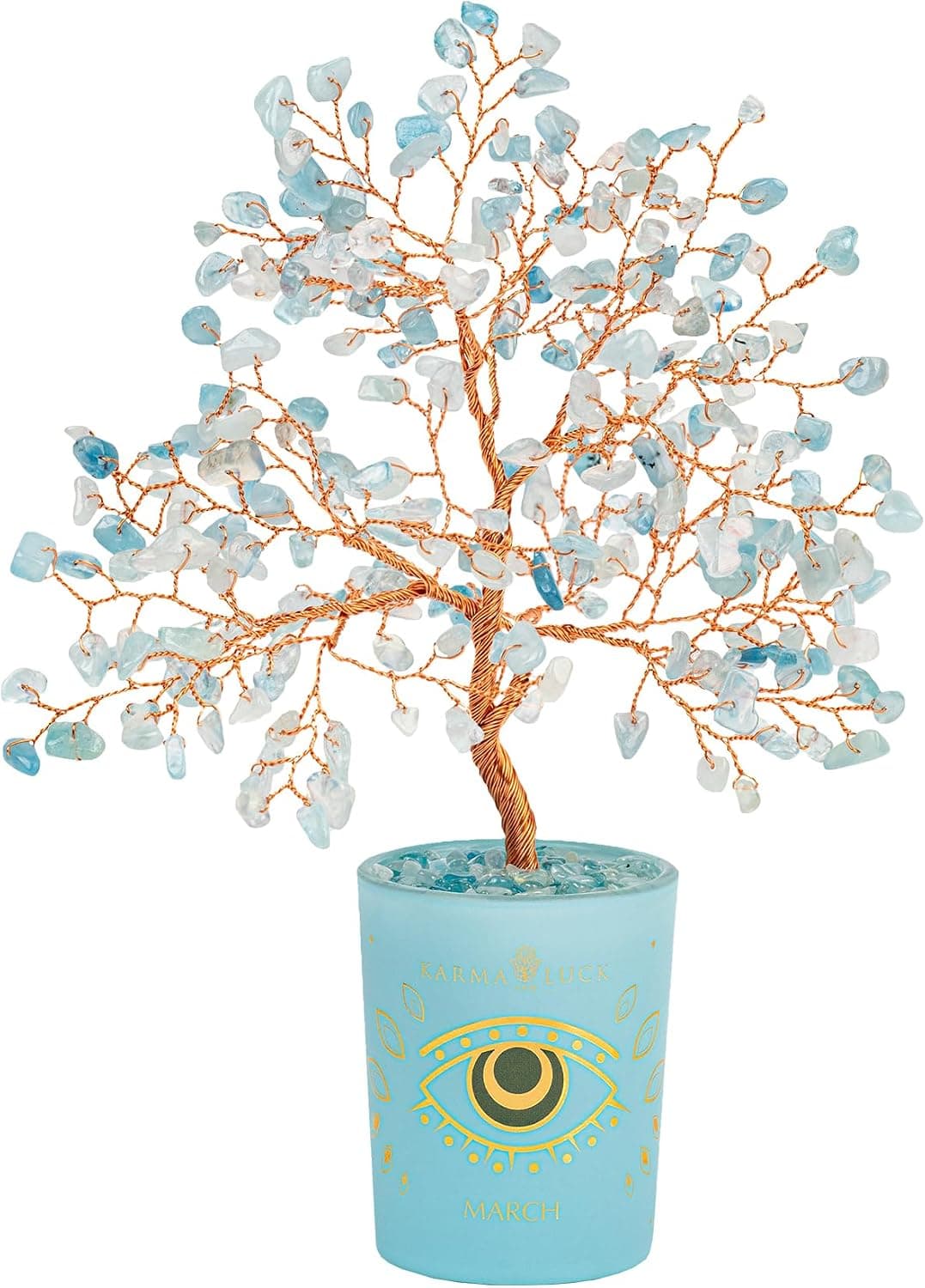
-29%Karma and Luck March Birthstone Crystal Tree of Life, Aquamarine Gemstone Fen...
 -29%
-29%Karma and Luck July Birthstone Crystal Tree of Life, Ruby Gemstone Feng Shui ...
 -29%
-29%Karma and Luck February Birthstone Crystal Tree of Life, Amethyst Gemstone Fe...
 -50%
-50%biuufish Feng Shui Black Obsidian Bracelet for Men Women, 24K Gold Plated Pix...
As an Amazon Associate, we earn from qualifying purchases. We only recommend items our practitioners have personally tested.
Continue Your Journey
Explore these related guides to deepen your understanding:
Ready for Deeper Guidance?
Try our free I Ching reading for personalized wisdom, or explore our curated Feng Shui essentials.