The best English I Ching edition is the one that matches your use: study, divination, or first serious consultation.
Choose the edition that matches the room, not the myth
The best English I Ching translation is usually not the one with the biggest reputation. It is the one that fits the way you actually read. A scholar needs different support than a person asking a question at 11:40 p.m. with a pencil in hand.
That sounds obvious until you stand in a bookstore aisle. I have watched readers hold two editions of the same hexagram the way an architect studies floor plans: one version feels like a clean corridor, bright and efficient, while the other feels like a shaded chamber with more layers, more objects, more reasons to linger. Both can be useful. They solve different problems.
Use this as your quick start: choose for purpose first, then compare translation style, then check notes and layout. If you want close study, favor editions with Chinese text, line-by-line comments, and editorial transparency. If you want fast consultation, favor clear prose, lighter annotation, and a rhythm that gets you from question to answer without friction. If you want a first serious reading, look for balance rather than prestige.
The mistake people make is treating “best” as a single crown. Translation is a tool choice. And tools behave differently in different hands.
Why the ‘best’ version is usually the wrong question
The I Ching resists a one-winner ranking because the text serves more than one function. It is a classic, a divination manual, a literary artifact, and for many readers a daily decision aid. A version that excels in one role may feel clumsy in another.
Traditional knowledge matters here. Older commentarial traditions did not imagine a single flat reading experience. They expected layers: text, image, line, judgment, and later explanation. Modern readers often want the opposite—a direct answer, clean and quiet. That tension explains why two people can praise opposite editions with total sincerity.
Historical context also matters. Some English translations lean toward fidelity to classical structure, preserving the feel of an older threshold. Others aim for readable English that opens quickly, like a door already standing ajar. Neither choice is neutral. Each one shapes what the reader notices first.
the text’s historical roots help explain why translation debates never settle down neatly.
Psychology enters the room too. Readers usually return to editions that match their habit loops. If you like quick, repeated consultation, a dense apparatus can create resistance. If you study slowly, a bare page can feel underfed. Habit is not a trivial detail. It is part of how meaning sticks.
And yes, the market still rewards familiar names because familiarity feels safe. People confuse social proof with fit. That is a costly mistake.
Accuracy, poetry, and usability pull in different directions
Every translation makes trade-offs. A version can be close to the Chinese phrasing yet feel stiff in English. Another can read beautifully while smoothing away important edges. A third can be highly usable for divination but leave a scholar wanting more structure.
Think of it like light in a building. Some editions are bright and direct. Others are filtered through historical panes, which softens the glare but changes the color of the room. Bright text is easier to scan. Filtered text often carries more atmosphere and memory.
Poetic prose has a real advantage: it lingers. You are more likely to remember a resonant line than a dry one. But poetry can also increase projection. When a sentence is beautifully open-ended, the mind fills the gaps fast. That can help reflection. It can also blur a decision.
Usability is different again. In a practical divination setting, the reader needs movement. Too much explanatory scaffolding slows circulation through the text. Too little explanation can leave a nervous reader stranded in uncertainty. The sweet spot is not maximal detail. It is enough detail to orient you without locking the door behind you.
I have seen this repeatedly in a north-facing study with a narrow desk and a brass lamp. One reader had a lush, literary edition open beside a more spare version. The lush text gave them a deep emotional hit; the spare one gave them a clean decision. They kept turning back to the spare copy when the question was urgent, and to the richer one when they wanted to sit with the answer. That is not inconsistency. That is use-case clarity.
Compare the same hexagram before you buy anything
Do not judge a translation from the cover blurbs. Judge it from the same passage, ideally a hexagram you already know well. Compare how each edition handles the judgment, one moving line, and the commentary surrounding it. The differences will show themselves fast.
Read the pages as if you were moving from an entry vestibule into a reading room. Some editions usher you in with a few clear steps and ample page air. Others narrow the threshold with footnotes, alternate renderings, and cross-references. Neither layout is automatically better. The question is whether you want open circulation or side passages.
The most useful comparison tests four things: precision, readability, cadence, and guidance. Precision asks whether the wording tracks the original structure. Readability asks whether the English sounds alive. Cadence asks how the sentence lands in the mouth. Guidance asks whether the notes clarify or over-determine.
One edition may feel crisp, spare, and almost dry on the tongue. Another may feel warm, textured, and resonant, with a longer aftertaste. A third may sound like steady footsteps. A fourth may ring like a bell with a long decay. Those sensory differences matter more than people admit, because they shape how long you stay with the text and what kind of question you think you are asking.
a hexagram reference layout can help you compare how efficiently an edition guides you through each stage of the reading.
Conventional ranking lists usually miss this. They praise “accuracy” as if it were one thing. It is not. There is philological accuracy, interpretive accuracy, and practical accuracy. A book can score differently on each measure.
Which translation fits study, divination, or first contact
If you are studying the I Ching seriously, choose an edition that gives you the Chinese text, transliteration or character-level support if possible, and notes that explain why the translator made specific choices. Scholarly readers need the historical threshold preserved. They do not want the text over-cushioned.
If you are using the book for daily divination, favor a translation that moves quickly. The ideal edition for this work acts like a workshop: sturdy, clear, and free of clutter. You want the judgment, the line text, and enough commentary to illuminate the point without hijacking the reading.
For a first serious reading, the best option is usually not the driest or the most poetic. It is the one that balances accessibility with enough depth to prevent shallow overconfidence. Readers often underestimate how much a pleasant page design affects return use. A book that feels inviting gets opened. A brilliant but intimidating one gets shelved.
your first cast can teach you more about your needs than any review list can.
There is also a psychological wrinkle here. A more explanatory translation can reduce uncertainty too quickly. Some readers feel relieved by that. Others lose the space they need for insight. A more open translation does the opposite: it preserves ambiguity, which can feel uncomfortable, but sometimes that discomfort is exactly what keeps the consultation honest.
That is why one person swears by a richly annotated edition and another by a spare, almost austere one. They are not arguing about truth alone. They are arguing about pacing.
What notes, Chinese text, and commentary really change
Supplemental material is not decoration. It changes the reading environment. Dense footnotes create visual weight on the page. Clean pages create air. Some readers lean in when they see scholarly density. Others feel their attention fragment before they finish the first paragraph.
the trigram structure underneath each hexagram becomes much easier to see when the edition actually shows its work.
Chinese text matters for two kinds of readers. Scholars use it to verify choices and track recurring terms. Practitioners use it to sense when a translation has flattened a phrase that once carried more breadth. Even if you cannot read classical Chinese, its presence changes the authority of the page. It reminds you that the English is an interpretation, not the original object.
Commentary works like circulation paths in a building. More commentary means more side passages, more doors, more chances to compare, question, and refine. Less commentary means a quicker route from question to meaning. If you are new and anxious, some support can help. If you are experienced and decisive, too much support can become drag.
Hexagram 11 and its calm balance is a good example of how commentary can either clarify a pattern or over-explain it.
The wrong assumption is that more notes automatically mean more usefulness. Not true. More notes can also mean more dependence on the author’s voice. That can be helpful, but it can also make the reader stop trusting their own response.
A practical decision frame before you spend the money
Start with your use case. If the book will live on your desk for consultation, choose circulation and clarity. If it will live on a study shelf, choose depth and documentation. If it must do both, accept that you may be buying a compromise rather than a single perfect edition.
Then inspect the threshold details: does the edition include the Chinese text, line notes, and a clear explanation of its translation philosophy? Does it distinguish between the core text and later commentary? Does the layout feel spacious or crowded? These are not minor concerns. They change how your body responds to the page.
Now test the emotional effect. Read two or three passages aloud. One version may sound like a bell with lingering decay; another may sound like measured footsteps across stone. If your shoulders drop with one and tighten with another, pay attention. That reaction is information, not fluff.
money questions in the I Ching tend to expose this difference quickly, because urgency makes sloppy translation choices obvious.
If possible, compare the same hexagram in a bookstore or preview. Do not buy the most famous title by reflex. I have seen readers spend good money on a prestigious edition that looked noble on the shelf and felt dead in use. Beautiful cover. Wrong circulation.
The best English I Ching translation for you is the one you will actually return to. Repeated use beats theoretical perfection. Habit shapes meaning, and meaning shapes results.
FAQ: Choosing an English I Ching edition
Which translation should a beginner start with? Start with an edition that is readable, well organized, and not overloaded with scholarly apparatus. A first book should invite repetition. If it feels intimidating, you will not use it often enough for the language to settle in.
Is the most literal translation always the most accurate? Not in practice. Literalness can preserve structure while still missing the lived sense of the passage in English. Accuracy has more than one layer, and readers often confuse word-for-word fidelity with effective meaning.
Do I need Chinese characters in the book? If you plan to study seriously, they help. They anchor the English to a source text and make the translator’s choices visible. If you only want occasional consultation, they are useful but not mandatory.
Why do some editions feel better for divination? Because they keep the reading moving. A good divination edition gives you enough interpretive support without turning the page into a lecture. That balance reduces friction at the moment of consultation.
Can a poetic translation still be useful? Absolutely. Poetic language can deepen memory and emotional resonance. The trade-off is that it may also invite projection, so it works best when you are comfortable holding ambiguity.
Should I buy a famous translation just because many people recommend it? Surprising answer: no, not automatically. Popularity often reflects availability and tradition, not fit. If the page does not match your reading habits, the famous edition will still sit unopened.
relationship readings also reveal whether a translation supports nuance or pushes you too quickly toward certainty.
David Liu
Traditionally informed guidance • Cross-referenced with classical Chinese source texts
Interpretations cross-referenced with the Zhouyi (周易) and Wilhelm/Baynes translation.
Practitioner-Selected Tools for This Topic
Items our team has tested and found effective for the principles discussed above. Individual results may vary.
 -20%
-20%Aquarius 12 Zodiac Challenge Coin - Twelve Constellations Aquarius Protective...
 -29%
-29%Karma and Luck March Birthstone Crystal Tree of Life, Aquamarine Gemstone Fen...
 -29%
-29%Karma and Luck July Birthstone Crystal Tree of Life, Ruby Gemstone Feng Shui ...
 -29%
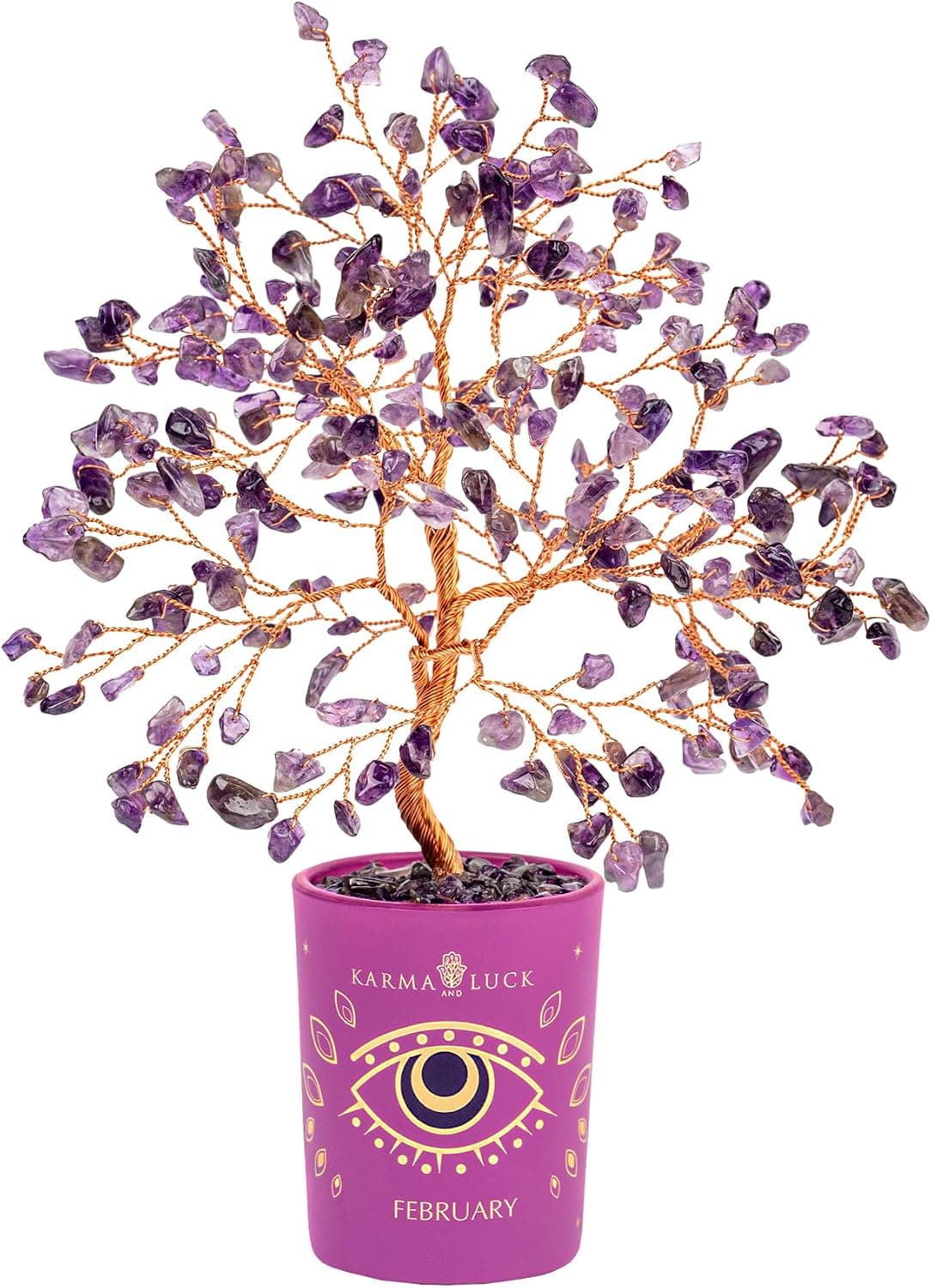
-29%Karma and Luck February Birthstone Crystal Tree of Life, Amethyst Gemstone Fe...
As an Amazon Associate, we earn from qualifying purchases. We only recommend items our practitioners have personally tested.
Continue Your Journey
Explore these related guides to deepen your understanding:

The I Ching Doesn't Answer Lazy Questions — Here's What to Ask Instead
8 min readConfucian Commentary Turns the I Ching Into a Moral Floor Plan
9 min readBroken Lines, Solid Lines, and the Real Yin-Yang Logic of the I Ching
11 min readThe Wilhelm I Ching Feels Deep Because It Slows Your Reading
11 min readReady for Deeper Guidance?
Try our free I Ching reading for personalized wisdom, or explore our curated Feng Shui essentials.