Put a crystal in the wrong leg of an L-shaped room and you may amplify the very restlessness you were trying to calm.
Beyond the Surface of best-Feng Shui Crystals-for-home
when the room itself is broken into angles, because a crystal doesn't work in a vacuum; it works inside a geometry that either gathers attention or scatters it.
I walked into a narrow L-shaped living room in Portland last spring and found a smoked quartz sphere on a white shelf at the end of the short leg, directly under a slanted ceiling. The owner, a nurse named Marisol, had placed it there after reading that crystals “anchor” scattered energy. She was sleeping worse, not better. Her bills were getting missed. The tea kettle kept whistling until the water boiled dry. That wasn't the crystal failing. It was the room shape sending the current around a blind corner.
In a square room, a crystal can act like a focal node. In an L-shaped room, the missing corner changes the path of attention because qi, like people, follows the visible route first. The long leg pulls movement forward; the short leg often becomes a dead zone, a place where objects get parked and intentions go soft. Put the wrong stone there and you don't get calm. You get a still pocket that quietly collects dust, clutter, and half-finished plans.
Common advice misses this because it treats every home as if the floor plan were a neat box. It isn't. Not even close.
How the Mechanism Actually Works in Irregular Rooms
First, the eye reads the room before the mind does. A strong angle, an open mouth of space, or a cut-out corner tells the nervous system to keep scanning. That scanning matters because crystal placement changes what you notice every time you cross the threshold. A faceted piece in the wrong branch of an L can become a visual interruption rather than a stabilizer, and the body responds by staying slightly alert.
Next comes circulation. In an ordinary rectangle, movement distributes evenly. In an L-shaped layout, the bend creates a directional bias. Air, sound, and footsteps all favor the wider run, so the quieter leg can become underused. I have seen this in dining rooms where a rose quartz tower sat on the inside corner beside a linen napkin basket; the couple using the room argued less at the table but more in the hallway. Why? Because the crystal softened only one pocket of the home while the rest of the route remained agitated.
Then the element story kicks in. Crystal is mineral, which belongs to the metal family in many feng shui interpretations, and metal can sharpen or condense. In a cramped notch of an L, that condensation can feel dense rather than settling. In a sunlit outer bend, the same stone may create clarity, because the light has room to move around it and the room doesn't trap the effect like a box traps a sound.
Finally, the mind assigns meaning to placement. A stone on a bookshelf near old bills says one thing. The same stone centered on a console at the room's visual hinge says another. People think the object does the work alone. Wrong. The object, the sightline, and the pathway all vote. The room keeps the final say.
That is why a beautiful amethyst cluster can feel useless in a crooked den while a plain bowl of clear quartz on a better line of sight changes how quickly people clear the table and answer messages. You are not decorating a shelf. You are editing a route.
Where Crystals Help in an L-Shaped Home
Start with the hinge, not the dead end. The hinge is the point where the two legs of the room meet, or the place your eyes naturally pause when you enter. A crystal there can act as a visual stop, which helps the mind register completion before it starts scanning again. For a home office in the larger leg, that can mean less frantic switching between tabs and fewer abandoned notebooks.
Try a clear piece if the room already feels heavy with dark wood, deep paint, or crowded furniture. Clear quartz works best when you need brightness without more visual weight. Place it on a chest or small table about three feet from the inner corner, angled so it catches the main doorway view. If the room is already too active, don't use a crowded cluster. One clean point beats a pile of sparkling distraction.
Rose quartz belongs where people actually sit and speak, not on some lonely high shelf no one notices. A low side table near a sofa arm, especially in a family room that bends left or right, can soften the edge of repeated arguments because it sits at face height and becomes part of conversation. I watched this happen in a gray apartment in Brooklyn: one pale pink stone moved from a windowsill to the side table between two chairs, and within a week the couple stopped using that room as a battlefield for bill-paying.
Amethyst can help in the quieter branch of an irregular room, but only if that branch is used for reading, meditation, or sleep prep. Put it beside a lamp, not in a dark recess. Deep shadows swallow form. When that happens, people forget the object is even there, and forgotten cures do very little except gather a film of dust.
Need a deeper layout check before choosing any stone? See how to map a home without forcing it into a square, because the room's geometry tells you where the placement should even be attempted.
Where Crystals Backfire
One mistake: parking a large cluster in the cut-off end of an L-shaped room because it looks “symmetrical.” It may feel balanced to the eye, yet the room doesn't experience it that way. The stone becomes a stranded landmark, and that stranded feeling can mirror the owner's life: delayed replies, unpaid invoices, and a habit of leaving errands half-done.
Another: using too many faceted objects in the same sightline. Sparkle sounds uplifting until it starts scattering attention. In a dining room with two mirrored candle holders, a crystal bowl, and a faceted lamp base, I once saw a family begin eating in the kitchen instead because the main room made them feel oddly restless. That is the cost of overamplification. Your home starts behaving like it has caffeine in the walls.
Don’t tuck a crystal behind furniture to “keep it discreet.” Hidden placement usually means invisible effect. The room can’t register the object if nobody sees it during daily movement, and feng shui works through repeated perception, not secret hope. A dim shelf behind a loveseat is a graveyard for good intentions.
And please stop treating every neglected corner as if it wants a cure made of sparkle. Some corners need light, a lamp, or a plant more than another polished mineral. A crystal in a corner that already lacks circulation can harden the stillness. That's the part people hate hearing.
Before you buy another object, look at the room's current behavior. Does everyone bypass one leg and crowd the other? Do shoes, mail, and charging cords collect at the bend? Those are not random habits. They are the floor plan speaking in plain language.
How to Read the Room Before You Place Anything
Walk the space slowly from the front door and notice where your body turns without thinking. The bend, the pause, the place you naturally set down a cup — those are the points that matter. A crystal placed where attention already lands can settle a room faster than an ornate one hidden in a forgotten recess.
Use light as your test. If a spot gets morning sun and the rest of the room stays dim, a transparent stone may lift the area; if a spot already glares with reflected light, choose something softer or move the cure elsewhere. In feng shui, the question is not “What crystal is best?” It is “What will this shape do to the object once the day starts moving through it?”
One more thing: sound matters. In an office nook carved out of an L-shaped den, I once placed a small amethyst on a walnut tray beside a brass lamp and listened for the room after the change. The keyboard clicks sounded less abrupt. The owner, a teacher grading papers, said the corner stopped feeling like a cul-de-sac. That is the kind of change you can use: not magic, but friction reduced by design.
Wherever the room folds, ask whether the crystal will mark a threshold or get trapped at the end of one. That question saves more trouble than any shopping list ever will.
For a broader framework on the room itself, pair this with the center-driven approach to living room layout and why five-element balance can still feel off when the geometry keeps overriding the cures.
Common Mistakes People Make With Crystals in Odd Floor Plans
People put the stone where the problem looks smallest, not where movement actually fails. That feels sensible. It usually doesn't work. A tiny dead zone at the end of an L can be tempting because it seems tidy, but if no one ever looks there, the cure can't interact with daily life.
They also confuse quantity with correction. Two or three small stones scattered around a bend can create visual noise, especially in rooms with too many edges already. One deliberate placement, chosen for sightline and use, tends to change the atmosphere more cleanly than a cluster that looks like a gift shop display.
Another habit: matching the crystal to a wish instead of the room condition. Someone wants more abundance and buys citrine, but the bigger issue is that the L-shaped entry to the office feels unfinished, so invoices get lost on the side table. In that case, the fix is structure first, symbol second. Otherwise the stone becomes decoration with a story attached.
And yes, placement near the wrong furniture can sabotage sleep. A bedroom that shares an awkward bend with a closet nook may feel calmer with a small clear stone near the door frame, but a large shimmering cluster on the dresser can keep the room emotionally lit. See how a bedroom becomes a real sanctuary and compare that with the placement mistakes that quietly disturb sleep.
When the shape is irregular, the cure must be more disciplined than the advice usually given online. That is the whole point.
Practical Adjustments That Make the Right Stone Work Better
Choose one focal point in the room and let the crystal support that point only. If the room bends toward a sofa zone, place the stone near the conversational center; if it bends toward a desk, place it where you first sit down, not where you eventually drift. The object should catch the beginning of the action, because that is where habits form.
Give the stone a clean base. A plain tray, a wood coaster, or a small ceramic plate can help define its territory, especially in rooms already full of visual interruptions. That boundary matters more than people expect. It tells the eye, “Here is the stop.” Without that cue, even a decent placement can dissolve into the furniture around it.
Brightness should match the job. Clear and pale stones suit places that need lift; deeper-toned stones suit spots that get too much activity. A smoky piece near the entry to a noisy family room can reduce the feeling of being hit by the space all at once, while a rosy stone near a reading chair may ease the shoulders. The shape of the room decides how much of that effect survives.
Seasonal drift matters too. In winter, a shadowy leg of an L may need a lamp before any mineral can do useful work. In summer, the same area might become too hot and overexposed, which means the object needs less glare and more containment. Homes change pace. Your placements should too.
I've seen dozens of homes where people kept chasing the “right” crystal while ignoring the room's bad turn. Once the turn changed — a lamp moved, a side table shifted six inches, a mirror came off the wrong wall — the same stone started behaving differently. That is not inconsistency. That is mechanism.
FAQ
Is conventional best-Feng Shui Crystals-for-home advice reliable?
Often not, because most advice assumes the room is a clean rectangle with equal circulation everywhere. In an L-shaped space, the bend changes how attention and movement travel, so a placement that looks correct on paper can underperform in real life.
Which crystal works best in an awkward room shape?
Start with the room's job, not the stone's reputation. Clear quartz helps when you need visibility and order; rose quartz suits social zones; amethyst fits quieter corners. The right answer depends on where people actually sit, pass, and pause.
Should I put a crystal in the missing corner of an L-shaped room?
Surprisingly, that is often the worst place if the area is dark or unused. A dead corner can swallow the effect, so look for the hinge, the sightline, or the place your body naturally slows down.
Can one placement fix the whole room?
No, because the room is behaving as a system. A crystal can help direct the eye and soften a rough patch, but if furniture, light, and clutter keep forcing traffic around the bend, the shape will keep speaking louder than the cure.
Some rooms feel fine the moment you enter; others make you unconsciously choose the same chair, the same shortcut, the same corner with the dim lamp and the blue ceramic bowl. Which one is your home doing right now?
Mei Chen
Traditionally informed guidance • Cross-referenced with classical Chinese source texts
Rooted in classical Chinese metaphysics and cross-referenced with original texts. Product recommendations are based on traditional symbolism, not guaranteed outcomes.
Practitioner-Selected Tools for This Topic
Items our team has tested and found effective for the principles discussed above. Individual results may vary.
 -29%
-29%Karma and Luck March Birthstone Crystal Tree of Life, Aquamarine Gemstone Fen...
 -29%
-29%Karma and Luck July Birthstone Crystal Tree of Life, Ruby Gemstone Feng Shui ...
 -29%
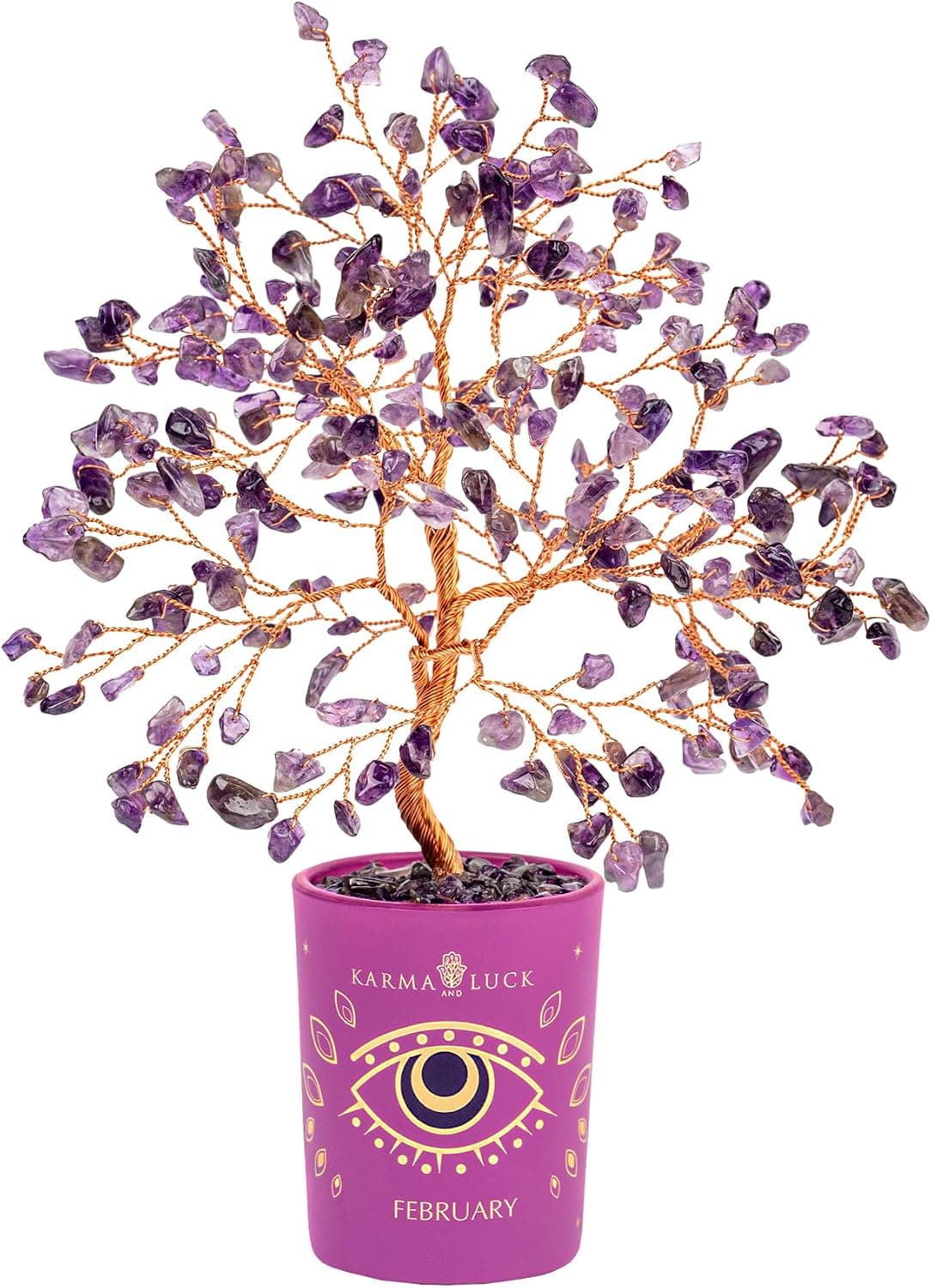
-29%Karma and Luck February Birthstone Crystal Tree of Life, Amethyst Gemstone Fe...
 -50%
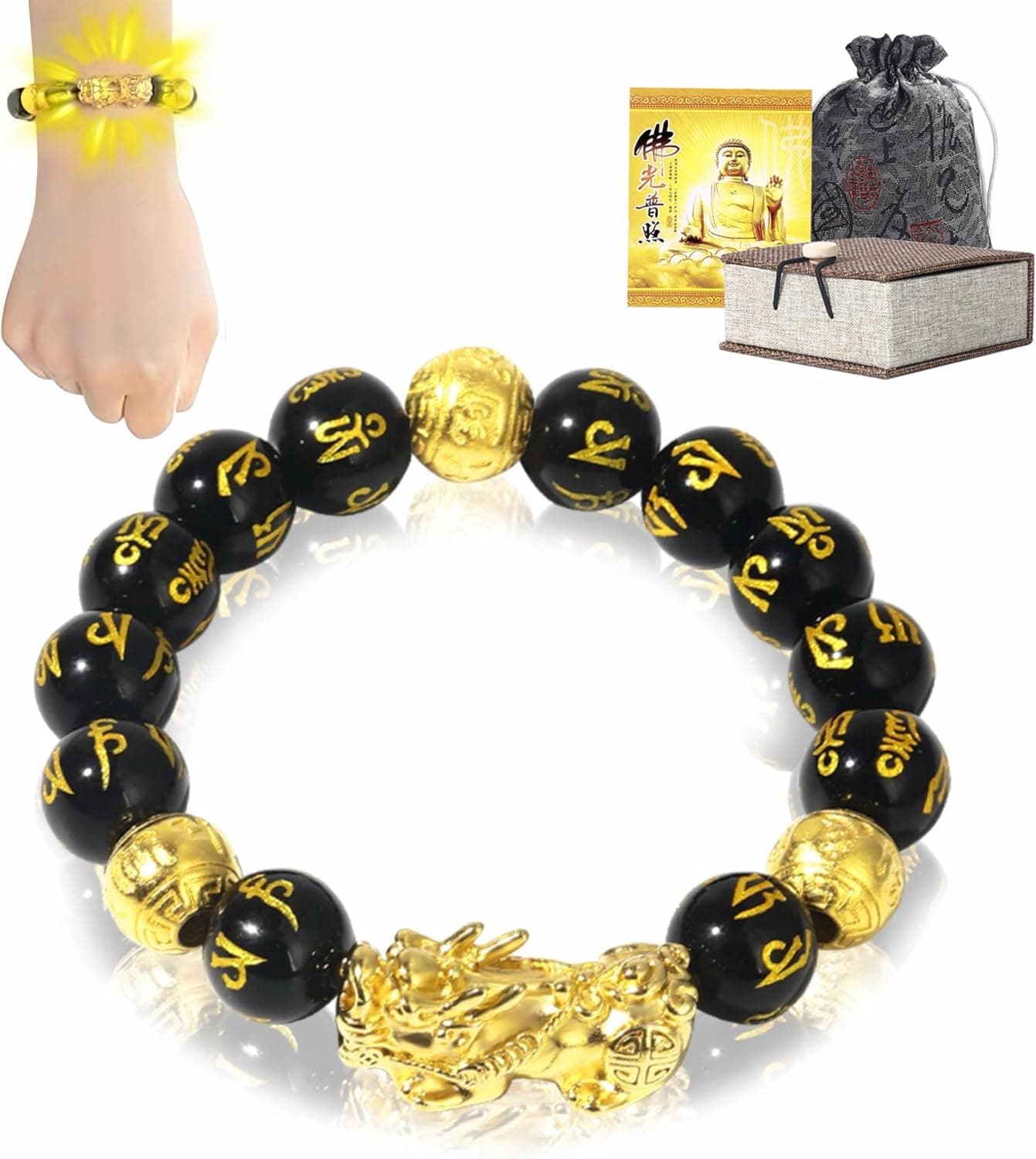
-50%biuufish Feng Shui Black Obsidian Bracelet for Men Women, 24K Gold Plated Pix...
As an Amazon Associate, we earn from qualifying purchases. We only recommend items our practitioners have personally tested.
Continue Your Journey
Explore these related guides to deepen your understanding:
Ready for Deeper Guidance?
Try our free I Ching reading for personalized wisdom, or explore our curated Feng Shui essentials.