The wrong cure in the right room still fails. Angle the remedy badly, and the room answers back.
Beyond the Surface of Five Elements Feng Shui Mistakes
Common assumptions about Five Elements Feng Shui Mistakes often don't survive scrutiny. A woman I worked with in a narrow London terrace had done everything “right”: a green plant in the east, a metal bowl in the west, a blue glass vase near the entry, even a red lamp on the desk because a blog told her to “activate fire.” Her study still felt jagged. She kept snapping at her partner by 9 p.m., and by the second week she was sleeping with the door open because the room felt too tight to breathe in. The issue wasn't the objects. It was the angle.
That surprises people because decoration advice teaches placement as if every cure radiates evenly in all directions. It doesn't. A brass cure placed square to the wall behaves differently from the same object turned toward the doorway by fifteen degrees. In classical work, direction isn't a garnish. It is part of the remedy. Miss the compass line and you can improve the look of a room while making the actual flow worse.
I've seen this in a Queen Anne bedroom with cream walls, a walnut headboard, and one silver lamp on the left nightstand. The couple had followed a balanced five-element plan from a magazine, yet the husband woke at 3:10 every morning and the wife started moving into the sofa on weekends. When we checked the room with a compass, the lamp sat just off a weak directional line, and the mirror across from it was throwing the eye back toward the door instead of settling the bed. Wrong angle. Wrong result.
reading a feng shui compass correctly matters more than almost any object you buy. That is not a glamorous answer, which is probably why so many people skip it. But the moment you stop treating the room like a flat picture and start reading it like a field with edges, diagonals, and pressure points, the whole system makes more sense.
One client, a software engineer named Priya, followed every five-element rule she found for her east-facing apartment and still felt stuck. She added wood tones, swapped in a ceramic tray, and even moved her desk under a skylight. The headaches eased for a few days, then returned. We rotated the desk a quarter turn so she sat with a cleaner sightline to the room center, moved the red stapler out of her direct peripheral vision, and the change was immediate: fewer shoulder knots, less jaw clenching, better focus by the following Monday. Not magic. Geometry.
Why the usual remedy advice fails at the compass level
Most advice assumes each element works like a sticker you place on a map. That sounds tidy. It also breaks down in a real room, where a north wall may be partly blocked by a wardrobe, the west sector may be cut by a corridor, and a cure meant to settle metal may instead bounce attention toward a mirror or stair landing. The room doesn't care about the diagram on your phone.
The old texts never treated direction as decoration. They tied form, sector, and movement together. A water cure facing a harsh hallway can feed motion where you wanted calm. A wood remedy placed too close to a hot afternoon window can overheat the whole corner and make the space feel nervous. Even a bowl of coins in the right sector can fail if it sits on the wrong axis and gets visually “pulled” toward a door.
Common advice also ignores human behavior. People stop in the places their eyes land first. They choose the chair with the open view, avoid the corner that feels pinched, and leave the laundry basket in the path that already looks annoying. So when a cure is angled badly, the body notices before the mind does. The room starts generating avoidance, delay, and tiny irritations that pile up into sleep problems, money friction, and petty arguments. That is the real mechanism.
five elements theory and the missing layer most people skip explain why matching color alone rarely solves anything. The element matters, yes. The line it occupies matters too. Put the right thing on the wrong bearing and you have a decoration, not a correction.
Big mistake. People love symbolic shortcuts because they are fast. The room wants precision, not enthusiasm.
How the backfire starts in ordinary rooms
A kitchen is where this becomes obvious fast. Take a matte black knife block on a pale counter near the southeast corner. On paper, the dark metal tone may sound grounding. In practice, the block sits at the edge of traffic, the blades catch the eye, and every time someone reaches for a mug they also notice something sharp pointing back at them. That can make meal prep feel tense, not efficient. I have watched a cheerful household start eating separately for weeks because one person kept resenting the constant visual reminder of knives on display.
Bedrooms show the same pattern in softer form. A blue throw at the foot of the bed may look restful, yet if the bed itself is angled so the sleeper's feet point toward a busy hallway, the body stays half-alert all night. You may call it “light sleep.” The body calls it vigilance. One retiree in Bath had a pale gray room with a cedar chest and two framed prints. The prints were fine. The bed angle was not. She kept waking to check whether the landing light had changed, and by the time we corrected the line, her afternoon naps stopped because she was finally sleeping through until dawn.
Living rooms can fool you because they seem social and forgiving. A red candle on the coffee table near the fireplace can look elegant, then create a hot focal point that makes conversation feel sharper than it should. Add a metal tray on the opposite side, and the eye keeps pinging back and forth. That constant visual ping is not abstract; it turns into restlessness, phone checking, and the odd feeling that nobody wants to sit down for long. The furniture may be expensive. The arrangement may still be hostile.
There is a simple test I use before I touch any cure: stand in the room and notice where your shoulders drop, where they climb, and which object your eyes keep returning to. Then check whether that object sits on a clean directional line or at an awkward angle to the door, window, or bed. The body usually tells the truth before the compass does.
What to change before buying another cure
Start with the main line of movement. Not the wall color. Not the candle. The path. If the entrance sends you straight into the back of a sofa, a dresser corner, or a row of decorative sticks pointed at the wrong seat, the room will keep feeling snagged no matter how carefully you match elements. Move the obstruction first, then test the angle of the objects around it.
After that, turn the cure so it speaks to the room instead of the wall. A plant on a shelf can look lively while leaning away from the space you want to support. Rotate the pot, or better, shift it three feet so the leaves open toward the center rather than the corridor. The same goes for metal pieces, glass, and mirrors. A mirror aimed across a doorway behaves like a rebound. A mirror angled to catch side light and soften a dark corner can settle the room instead.
One small adjustment often beats a grand makeover. In a spare room off the hall, I once turned a wooden picture frame six inches clockwise so it no longer pointed at the bed. That was all. The owner, a teacher with a stack of exam papers on the desk, stopped stacking the papers in the windowsill because the corner no longer felt hostile. She noticed it first in her shoulders, then in her schedule. The room stopped asking for as much defense.
a bedroom layout that actually supports rest gives you the structure, but the angle is what makes the structure usable. You can get the right pieces and still miss the effect if they are all aimed in different directions.
Keep an eye on these three signals: the thing you keep walking past without seeing, the thing you keep straightening, and the thing you keep avoiding after dark. Those are the places where direction has gone wrong. Not even close.
The mistakes people make when they copy element charts
First, they overstack one sector because they want to “strengthen” it. Too much wood in a cramped study, for example, can make the room feel like a forest path after rain: damp, crowded, and impossible to finish a thought in. The chart looks balanced on paper. The chair becomes harder to use.
Second, they ignore the room’s actual shape. A cut-off corner, slanted ceiling, or narrow corridor changes how qi moves, so a cure that works in a square room may wobble in a long hallway. I have seen people place crystals in a perfect triangle and then wonder why the area still feels thin. The triangle was neat. The room was not.
Third, they copy someone else’s direction without checking their own layout. A west cure that helps one apartment can irritate another if the entry, window, and furniture create a different pull. That is why “my friend tried it and loved it” is weak evidence. Their door might have been on the opposite side. Their sofa might have absorbed the pressure. Yours may not.
Fourth, they use bright cures to solve what is actually a line-of-sight problem. Red objects, shiny metal, and blue glass all have their place, but if the room already feels busy, more stimulation only increases the noise. The result is relationship tension at dinner, shallow sleep, and the bizarre sense that the room is always asking for one more adjustment. Enough.
money corner errors that quietly drain momentum show the same pattern in a different part of the home: the wrong object in the wrong orientation can make a promising corner behave like a dead end.
How to read a room the way practitioners do
Walk it slowly, and pay attention to the first two steps after you enter. That is where the room introduces itself. If your gaze shoots straight to a bright object on the far side, the room is pulling attention through rather than holding it. If you naturally drift toward one chair and avoid another, the angle of the furniture is already doing work before you touch the decor.
Then check the major directional anchors: door, bed, desk, stove, and any mirror large enough to catch a full reflection. Those are not interchangeable. A bed that faces a busy threshold can keep the nervous system on alert. A desk tilted slightly toward the door can improve alertness or destroy it, depending on the rest of the layout. A stove aligned with a reflective surface can feel hot in a way that encourages rushing and impatience at the very moment you want steadiness.
Do not get trapped by pretty symmetry. Perfectly matched lamps can still produce a lopsided room if one lamp sits on a line of pressure and the other does not. A plant near the window may look healthy while the actual support it gives is negligible because everyone walks around it instead of toward it. Form comes first. Then orientation. Then the object.
mapping a home without getting lost in the diagram helps you see the sectors, but the sectors still need to be read against real movement. Otherwise you end up arranging symbols in a box that nobody inhabits.
Sound matters too. A hallway that echoes can make a cure on the far wall feel harsher than the same object in a cushioned room. Smell can even reinforce or weaken this. I once walked into a kitchen in Brighton where the element setup looked textbook, yet the air held old dishwater, citrus cleaner, and hot radiator dust. The owner kept buying new remedies because she was trying to solve a sensory problem with objects. The room needed ventilation and a new line of sight, not another ceramic bowl.
Why the compass angle changes the result
The compass angle tells you where the room receives and releases force. That sounds abstract until you watch what happens when a desk is turned ten degrees. One direction catches the door traffic and makes the sitter alert, another direction turns the same desk into a trap where the neck stiffens and the inbox starts to feel like punishment. The object did not change. The relationship did.
In traditional terms, this is why form and direction are never separated. The element gives texture; the bearing gives behavior. Wood can grow, but if it is angled into a bottleneck it becomes restless. Water can soften, but if it runs straight at a sleeping area it tends to keep the body on watch. Metal can clarify, but at the wrong angle it can sharpen criticism and make every conversation feel clipped.
That is also why some people report “nothing happened” after trying a cure. They used the right object, at the wrong facing, in a room that already had pressure built into the layout. The cure was drowned out by architecture. Or worse, it amplified the problem by highlighting the very line the occupants had been trying to ignore.
I've seen a spare hallway in Manchester where a single white ceramic vase, placed at a slight turn toward the stair landing, softened the whole approach. The owner had been convinced she needed something stronger. She did not. She needed the vase to meet the movement instead of sitting square to the plaster like a sticker on a wall.
What actually works when the room keeps resisting
Strip the room back, then rebuild the directional logic. Remove one cure at a time and see what changes in your body. If the chest loosens when the shiny object comes out, you found a pressure point. If sleep improves when the mirror is rotated away from the bed, you found a rebound effect. Practical work beats symbolic clutter every time.
Use the room's strongest line of movement as your guide. In a dining room, that may be the line from door to table. In a bedroom, it is usually the path from door to bed and bed to window. In a study, it is the line from chair to door and chair to wall. Put the element where it supports that line instead of crossing it.
Then test the room at different hours. Morning light can make a metal object look crisp and helpful; evening light can make the same object feel severe. A plant may seem fresh at noon and droopy at dusk. That time shift matters because people experience the room across a day, not in a photograph.
bedroom choices that protect sleep and closeness are a good place to start if your main trouble shows up at night. The same principle applies there: direction first, decoration second.
One last thing. If a cure only works when you stare at it, it is probably not solving the room. It is entertaining you.
FAQ
Is conventional Five Elements Feng Shui Mistakes advice reliable? Often not on its own. A lot of it assumes the object matters more than the room's direction, and that is where people get burned. The advice may look sensible in a diagram, yet fail the moment the furniture or doorway changes the flow.
Do I need a compass for every correction? Not for every shelf or plant, but for the main pieces, yes. The bed, desk, stove, and entry deserve actual direction checks because they shape how you move, sleep, and work. Guessing there is expensive in time and frustration.
Can I fix a problem just by adding the right element? Sometimes, but that's the lazy version. A blue object in a hot room may feel better for a day and then do nothing if the angle keeps pushing attention into a corridor. Shift the line, then choose the element.
What if my home layout is awkward? Then you work with the awkwardness instead of pretending it's square. Narrow rooms, cut corners, and long hallways all change how a cure behaves, so the answer is usually rotation, repositioning, or reducing visual noise. The room will tell you quickly if you listen long enough.
How do I know I changed the right thing? Watch for small bodily clues before you look for dramatic events. Better sleep, less jaw tension, fewer arguments over trivial things, and a habit of using the room more naturally are all good signs. When a room starts feeling easier to enter, you are close.
Mei Chen
Traditionally informed guidance • Cross-referenced with classical Chinese source texts
Rooted in classical Chinese metaphysics and cross-referenced with original texts. Product recommendations are based on traditional symbolism, not guaranteed outcomes.
Practitioner-Selected Tools for This Topic
Items our team has tested and found effective for the principles discussed above. Individual results may vary.
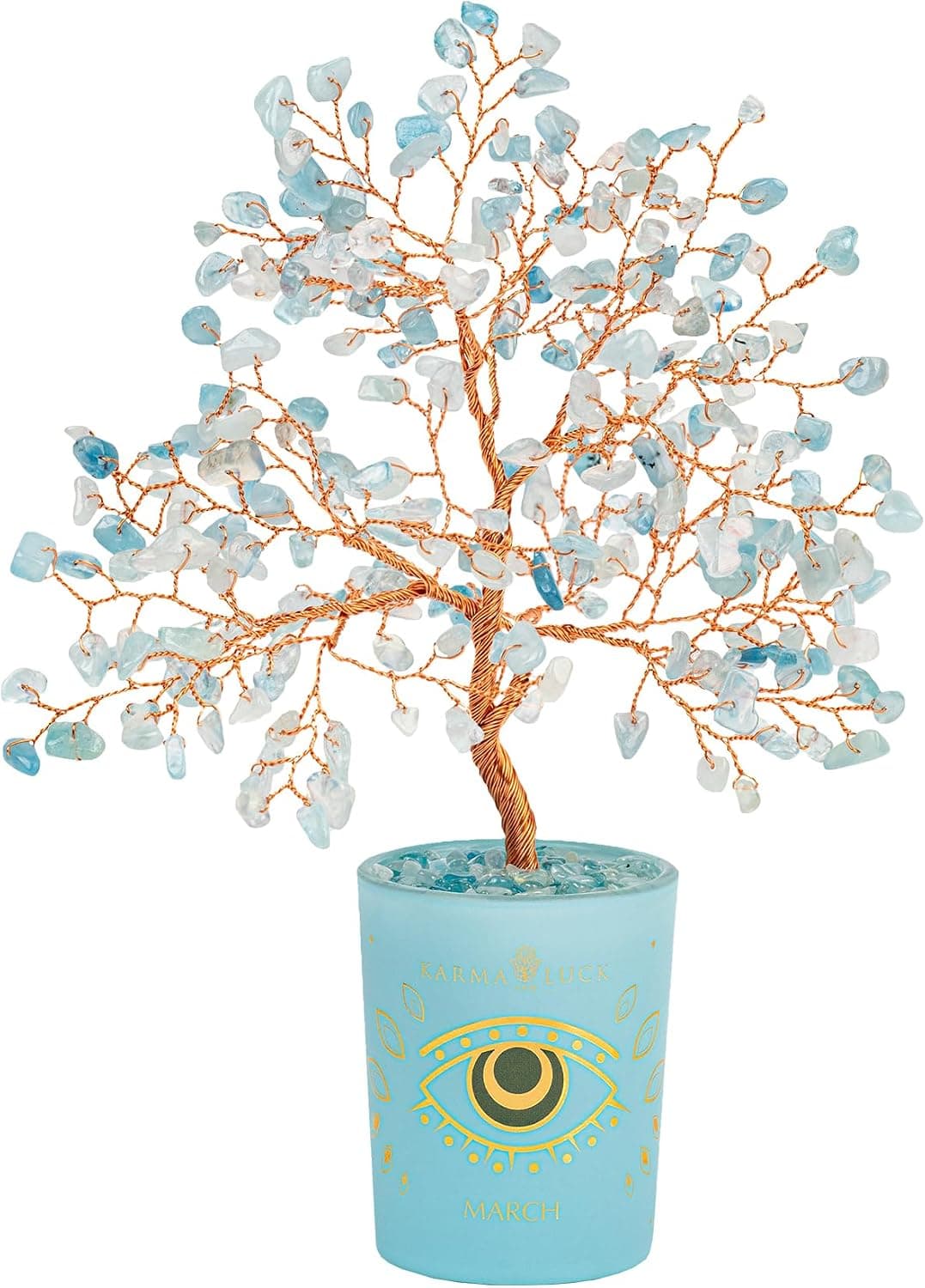 -29%
-29%Karma and Luck March Birthstone Crystal Tree of Life, Aquamarine Gemstone Fen...
 -29%
-29%Karma and Luck July Birthstone Crystal Tree of Life, Ruby Gemstone Feng Shui ...
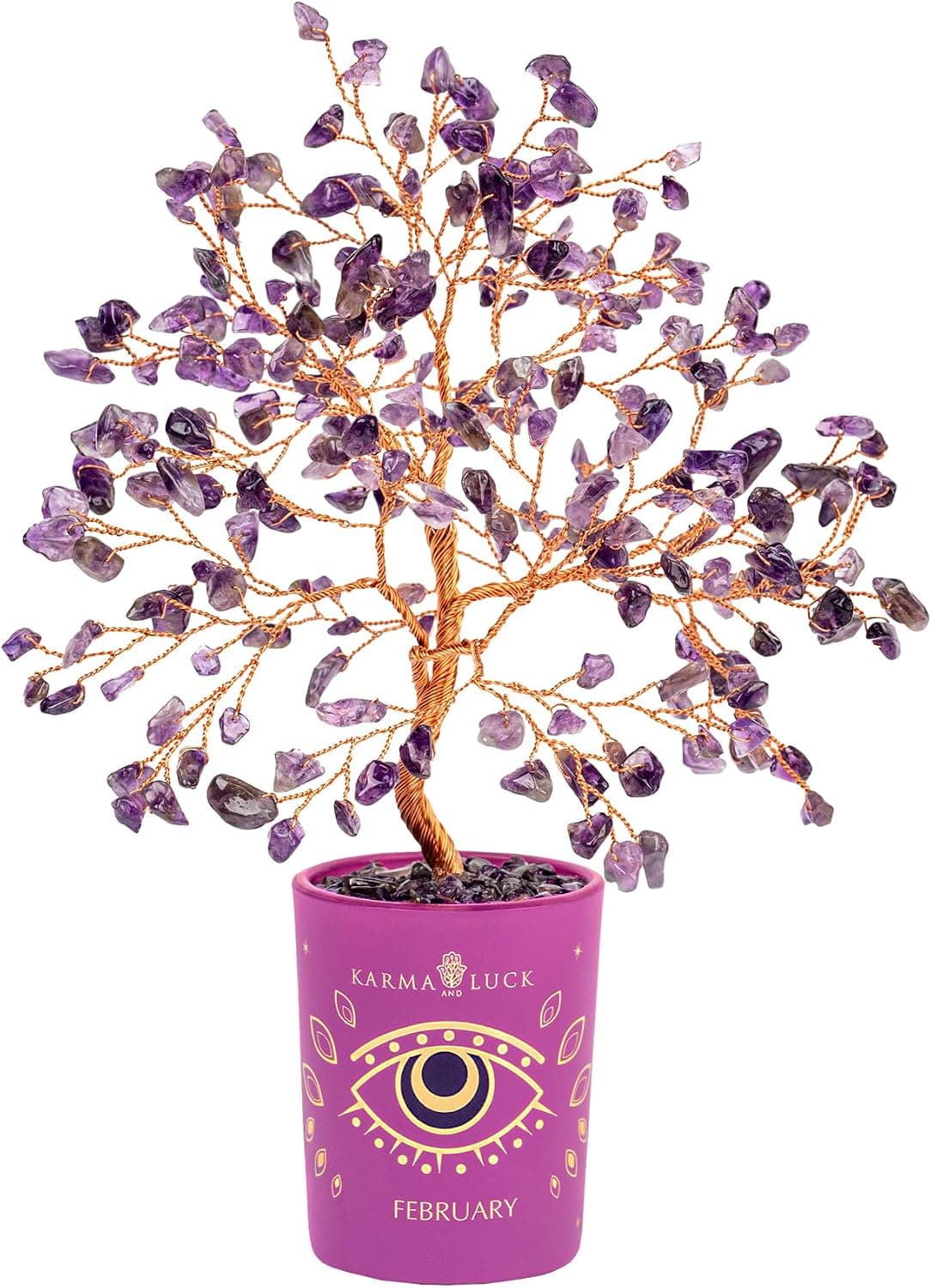 -29%
-29%Karma and Luck February Birthstone Crystal Tree of Life, Amethyst Gemstone Fe...
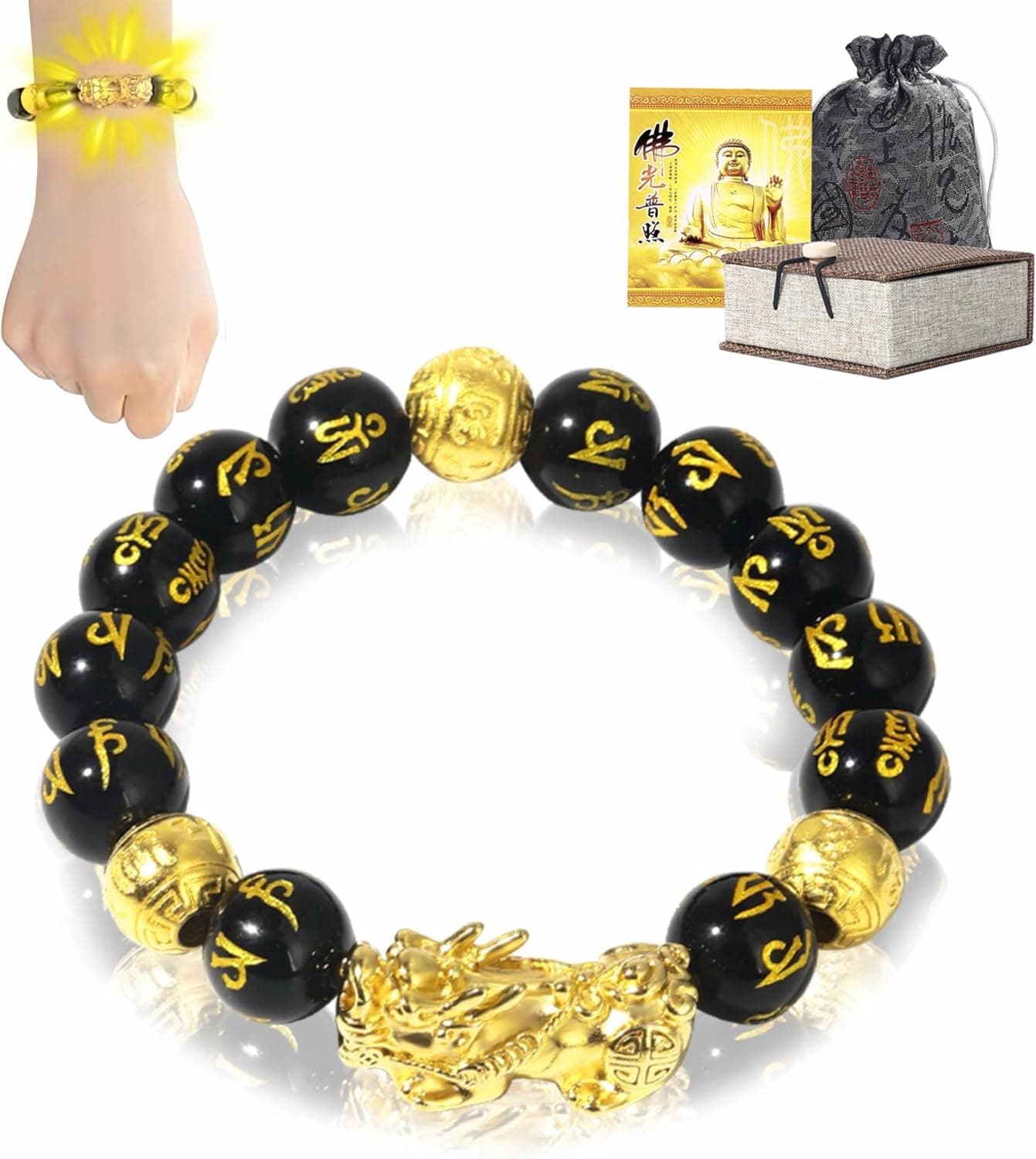 -50%
-50%biuufish Feng Shui Black Obsidian Bracelet for Men Women, 24K Gold Plated Pix...
As an Amazon Associate, we earn from qualifying purchases. We only recommend items our practitioners have personally tested.
Continue Your Journey
Explore these related guides to deepen your understanding:
Ready for Deeper Guidance?
Try our free I Ching reading for personalized wisdom, or explore our curated Feng Shui essentials.