A wealth corner can look perfect and still fail the moment it sits beside a doorway, hall, or open pass-through.
The Real Story Behind Feng Shui Money Corner Mistakes
The popular narrative around Feng Shui Money Corner Mistakes doesn't hold up under scrutiny.
I walked into a narrow apartment in Richmond on a wet Tuesday evening and saw the setup everyone on the internet praises: a jade plant in a brass pot, a faceted crystal, a red envelope tucked under a lamp, and a little shelf dressed like a shrine. The owner, Mara, had done everything “right.” Yet she was exhausted, her bank app gave her a knot in the stomach, and the plant sat one step inside a pass-through between the kitchen and the living room. That boundary mattered more than the objects. The room was not failing because of what was there. It was failing because of where the qi had to cross. Big mistake.
People love to talk about the wealth corner as if it were a sealed box. It rarely is. In real homes, money areas sit near thresholds: beside a hallway, across from a door swing, under a beam, or at the edge of an open-plan break. When the edge is busy, the energy leaks, scatters, or gets hit head-on every time someone walks through with groceries, shoes, noise, and attention. I’ve seen that pattern in studios, row houses, and even polished suburban homes where the “corner” is really a boundary zone. That is why a cure can look beautiful and still behave like decoration.
Mapping the room correctly matters, but it is only the first step. A bagua overlay tells you where the wealth area sits on paper; it does not tell you whether the spot can hold still. Thresholds change the story. A doorway can turn a promising corner into a traffic lane, and a hallway can pinch the room so that whatever you place there gets visually and energetically pushed out. If you want the deeper framework, compare that with what happens at the front entry when qi arrives too fast. Same principle, different room. The problem is movement crossing a boundary faster than the space can gather it.
That is the part most advice misses. Not the symbol. Not the plant. The edge.
When the Corner Is Actually a Border
In Mara’s apartment, the “wealth corner” was only twelve inches from a kitchen opening. Every time she boiled water or opened the fridge, the shelf got a hit of motion and noise. She had placed a red bowl, two coins, and a citrine cluster there because a video told her wealth likes Fire and sparkle. On camera, it would have looked convincing. In real life, the setup sat in a draft from the hallway and a line of sight from the front door. Her sleep got lighter first. Then the impulse to check accounts became compulsive. A few weeks later she stopped using the dining table altogether because the corner made the whole room feel watched.
This is what a threshold does: it asks a different question from a true corner. A corner can gather. A border must buffer. If the space is open on two sides, treat it less like a container and more like a gate. That means height, weight, and visual backing matter more than cute objects. A solid-backed chair, a low cabinet, or even a plant with real mass can slow the rush. A fragile display cannot. Wrong.
Here’s the uncomfortable part. A lot of “wealth cures” are chosen for symbolism alone, then placed in the most unstable part of the room. A shiny bowl at the mouth of a passage looks auspicious, but it also catches the eye and gets mentally processed as something to pass by. The human brain does not settle there; it scans. Once the eye keeps scanning, the space never quite becomes rest. And when a room cannot rest, neither can the part of you that tries to save, plan, or hold onto resources.
The full wealth-corner method handles the broader pattern, but threshold cases need sharper judgment. Ask where people pause. Ask where they turn. Ask whether the corner is receiving weight from a wall or being tugged by a hallway. Those questions matter more than whether the item is jade, quartz, or ceramic. A boundary that cannot settle will chew up almost any cure you put on it.
And no, adding more objects usually makes it worse. Clutter at a threshold does not read as abundance. It reads as friction.
What Actually Works at the Edge
The fix is not dramatic. It is architectural. I start by making the boundary legible. If the wealth area sits beside a passage, I want the eye to understand, in one glance, where the room begins and ends. A small rug can help if it stays low and clean. A cabinet can help more if it gives the corner a back and keeps movement from slicing through the display. A tall lamp placed just inside the room can create a sense of arrival, while a mirror on the wrong wall will bounce motion deeper into the problem. That is why most bagua maps get hung backwards — here's how to know if yours is wrong: they assume square geometry, then ignore how people actually move.
Thresholds also change what colors do. Deep green can calm a corner that faces the kitchen, but a glossy red object at the edge of a hall may act like a visual flare. I learned this in a townhouse in Portland where a retiree named Denise kept a crimson ceramic frog on a narrow ledge beside the pantry opening. Every visitor noticed it. Nobody lingered. Once we moved it back six feet, placed a wooden box beneath it, and added a small stack of books to create visual weight, the whole alcove stopped feeling like a transit point. She told me the first thing she noticed was not money. It was that she stopped avoiding the corner.
That sounds subtle because it is. Subtle changes are often the ones that hold. A corner near a threshold needs backing, restraint, and some kind of pause. Think in terms of deceleration. Can the item sit against a wall rather than out in the current? Can the path be softened so the eye does not slice straight across it? Can the display be reduced until the room feels less busy and more anchored? If the answer is no, then the problem is not placement alone. It is the relationship between the placement and the room’s border.
You can test this in an afternoon. Stand in the doorway and look at the so-called money area. If your eye keeps moving past it, the space is too exposed. If you feel the urge to straighten, clear, or step around the spot, it is asking for containment, not sparkle. The right answer may be boring to the internet: a closed cabinet door, a heavier base, a quieter object, or less stuff overall. Not even close to the glamorous cure people expect.
A healthy plant can help only when it is given room to stand, not when it is used like a prop in a hallway draft. The same goes for crystals. A crystal ball near a window alcove can gather and diffuse light in a controlled way, but at a room boundary it can become a visual interruption that keeps the area feeling active instead of settled. If you want to understand that difference more precisely, see the alcove advantage for crystal placement. Placement changes everything.
The threshold is the real exam. The rest is decoration.
Why Conventional Advice Backfires
Most advice tells people to “activate” the wealth corner with brighter colors, coins, water symbols, or more plants. That sounds logical until you realize the corner may already be overstimulated by traffic. A boundary zone does not need more activation. It needs containment. When someone piles on cures in a noisy edge-space, they often get the opposite result: scattered attention, a restless sleep cycle, and the nagging feeling that money has to be chased. I’ve watched clients start a home budget only to abandon it two weeks later because the room where they work on bills feels like a crosswind.
That is why the kitchen matters so much in these cases. Heat, knives, water, and movement are already changing the atmosphere constantly. If the wealth area shares a wall or opening with cooking space, the effect is not symbolic; it is behavioral. You move faster, spend quicker, snack more, and leave things half-done. The kitchen knives page exists for a reason: kitchen knives carry more energy than you'd think — here's why placement matters. Sharp objects at the wrong boundary don’t just “feel bad.” They keep the nervous system on alert.
Here’s the surprising part: sometimes removing the cure works better than upgrading it. I once advised a designer in a loft with a black metal shelf at the edge of the living room. She had placed three lucky charms, a gold figurine, and a bowl of coins there. The shelf was a visual choke point. We cleared two items, moved the figurine to a closed bookcase, and left one ceramic bowl with nothing inside it. Within a month, she said the room felt less argumentative. Her words, not mine. The money pressure didn’t vanish overnight, but the urge to make the area louder disappeared.
Common guides also miss how thresholds affect relationships inside the home. A money corner beside a bedroom doorway can bleed into intimacy, making one partner feel watched or cornered. That is where bedroom rules that affect both sleep and relationships become relevant, because the same boundary problem can show up as poor rest, tense conversations, or a sense that privacy has thinned. A room edge can carry more than one kind of pressure.
And this is where people get uncomfortable. They want a cure they can buy. They do not want to hear that the shelf should be moved three feet left, or that the pretty lantern should come down, or that the hallway mirror is the thing keeping the corner twitchy. Yet the space keeps telling the truth. Thresholds don’t care about trend lists.
How I Read a Border Before Touching Anything
I begin by watching how a person enters the room. Not the map. The body. Do they cut straight across, pause at the edge, or angle their shoulders away from the corner? In one San Diego condo, a software engineer had a wealth area near an open doorway to his office. He kept his laptop there because it was “convenient,” then wondered why he never stopped checking email. The spot wasn’t bad in a mystical sense. It was bad because it trained him to treat earning, spending, and thinking as one continuous motion. He never left the current.
A true wealth spot should give the body a reason to slow down. That might be a visual anchor at sitting height, a darker wall behind the object, or a piece of furniture that creates a small pause before the eye reaches the passage. If the boundary is too hard, the room needs softness. If the boundary is too soft, the room needs definition. That balance is what the classics call a place with enough support to gather qi without letting it spill. You can feel it in the chest before you can name it.
Five elements theory explains why good feng shui still feels wrong when the environment is overmatched by motion, and threshold issues are a perfect example. Wood can support growth, but too much living green at a busy edge becomes visual noise. Earth can stabilize, but heavy beige clutter blocks movement and creates fatigue. Fire can animate, but at a doorway it often turns into agitation. The element itself is not the problem; the speed of the border is.
One of the quickest tests is the “glance test.” Stand outside the room and look in for five seconds. Then step inside and look back out. Does the corner feel like a destination, or does it feel like a checkpoint? If it feels like a checkpoint, the cure is too exposed. That is the threshold principle in plain English. A wealth area at a boundary must act like a landing place, not a display window.
I have seen wealthy homes with excellent furniture and miserable money flow because the important corner was sitting in the blast of movement from a secondary door. I have also seen tiny apartments improve when a single shelf was moved to create a quiet backrest for a plant. Size does not decide this. Relationship does.
What to Change First, and What to Leave Alone
Start with the edges that move people most: doors, hall openings, and passageways. If the money area sits near one of them, reduce visual traffic before adding anything else. That means fewer shiny surfaces, fewer small objects, and no items that demand constant adjustment. A single grounded object will usually do more than a cluster of lucky symbols. Choose something that belongs in the room even if nobody mentions feng shui at all.
Then check for lines that cut directly through the corner. A direct line from front entry to the area tends to make resources feel provisional. A line from kitchen to living room can create hurry. A line from bedroom to hall can make rest feel interrupted. Those are not abstract claims. They show up as piles of mail, unfinished transfers, and the habit of keeping your wallet on the counter instead of putting it away. You feel the room telling you to move on.
If the space must remain open, build a soft boundary. A plant with breadth, a low screen, a book spine facing inward, or a lamp with a dim shade can all help create a pause. A wide-open shelf stuffed with trinkets will not. It looks busy and goes nowhere. The room needs a sentence with a period, not an endless stream of commas.
One more thing: do not chase every object cure before checking the boundary itself. People blame the wrong thing because it is easier. They buy another crystal. They move a coin jar. They repaint one wall. Meanwhile the problem is still that the corner is acting like a corridor. What your feng shui calculator isn't telling you is that the room may be mathematically correct and energetically flimsy at the same time.
Change the border, and the objects stop fighting the room. Leave the border broken, and even the best-looking arrangement keeps slipping into background noise. That is the difference between a corner and a crossing.
FAQ
Is conventional Feng Shui Money Corner Mistakes advice reliable? Often not, because it usually treats the corner as if it were isolated from the rest of the room. A wealth area beside a doorway, hall, or kitchen opening behaves differently from a sheltered corner, so the same cure can fail or backfire.
How do I know whether my wealth area is a threshold problem? Watch the movement around it for a full day. If people pass through it, glance at it while moving, or unconsciously avoid standing there, you are not dealing with a quiet corner. You’re dealing with a border that needs containment.
Should I remove all symbols if the spot is near a passage? Not necessarily. Start by reducing quantity and giving the space a stronger back, then see whether one item feels enough. A single grounded object usually works better than a crowded display in a busy edge-space.
Can a plant fix the issue by itself? A plant can help, but it won’t rescue a boundary that has no support. Surprising as it sounds, a healthy plant in the wrong spot can still look agitated if it sits in a draft or on a line of constant traffic. Put the room first; then choose the plant.
The apartment in Richmond had one last odd detail. After we moved the shelf back and cleared the clutter, Mara left a hardcover notebook on the table beside a blue mug and, for the first time, did not rush to hide the receipts underneath it. The corner stayed quiet while rain tapped the window above the sink. She noticed that more than the plant. What do you think that means when a room finally stops asking to be crossed?
Mei Chen
Traditionally informed guidance • Cross-referenced with classical Chinese source texts
Rooted in classical Chinese metaphysics and cross-referenced with original texts. Product recommendations are based on traditional symbolism, not guaranteed outcomes.
Practitioner-Selected Tools for This Topic
Items our team has tested and found effective for the principles discussed above. Individual results may vary.
 -29%
-29%Karma and Luck March Birthstone Crystal Tree of Life, Aquamarine Gemstone Fen...
 -29%
-29%Karma and Luck July Birthstone Crystal Tree of Life, Ruby Gemstone Feng Shui ...
 -29%
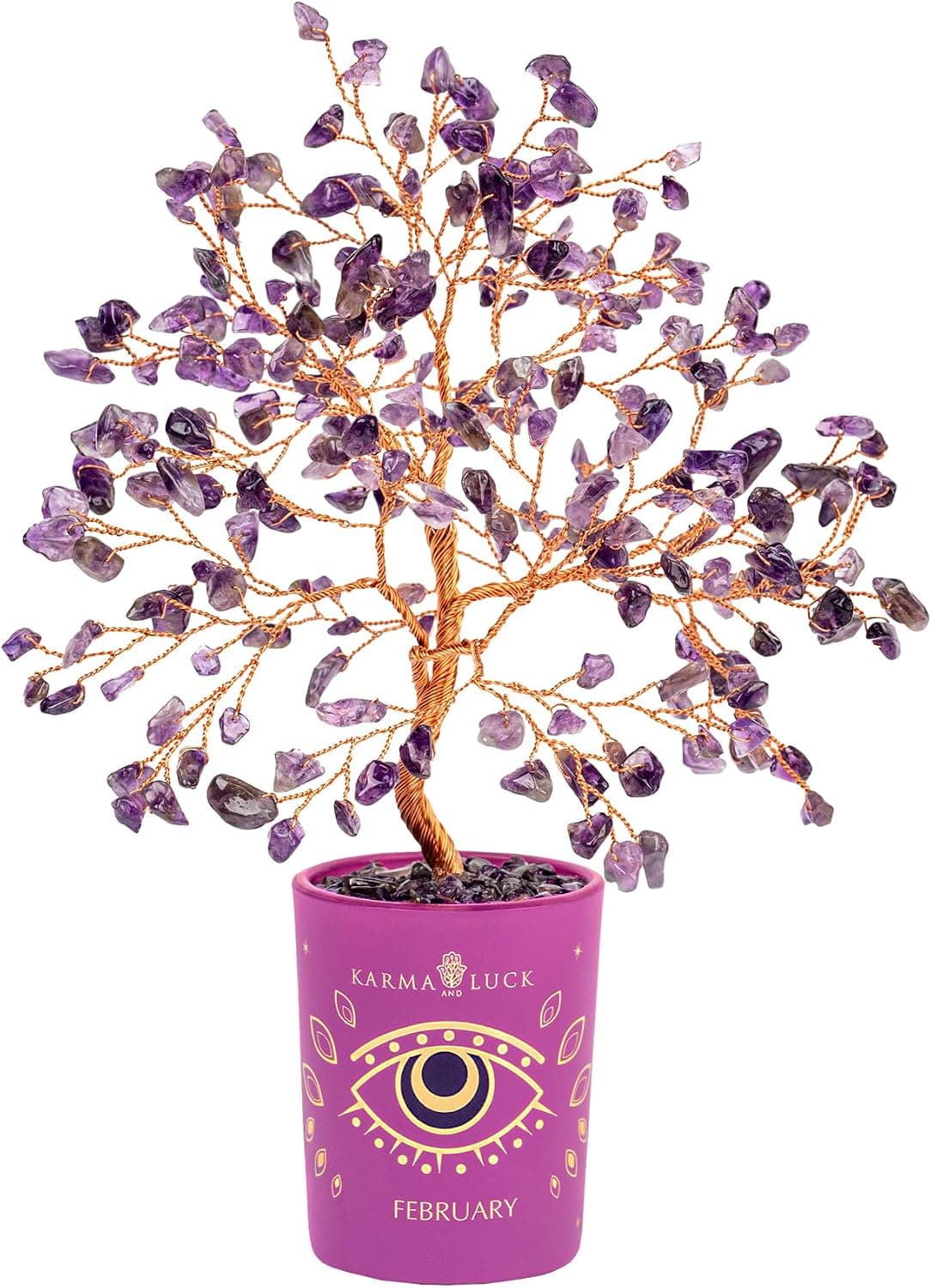
-29%Karma and Luck February Birthstone Crystal Tree of Life, Amethyst Gemstone Fe...
 -50%
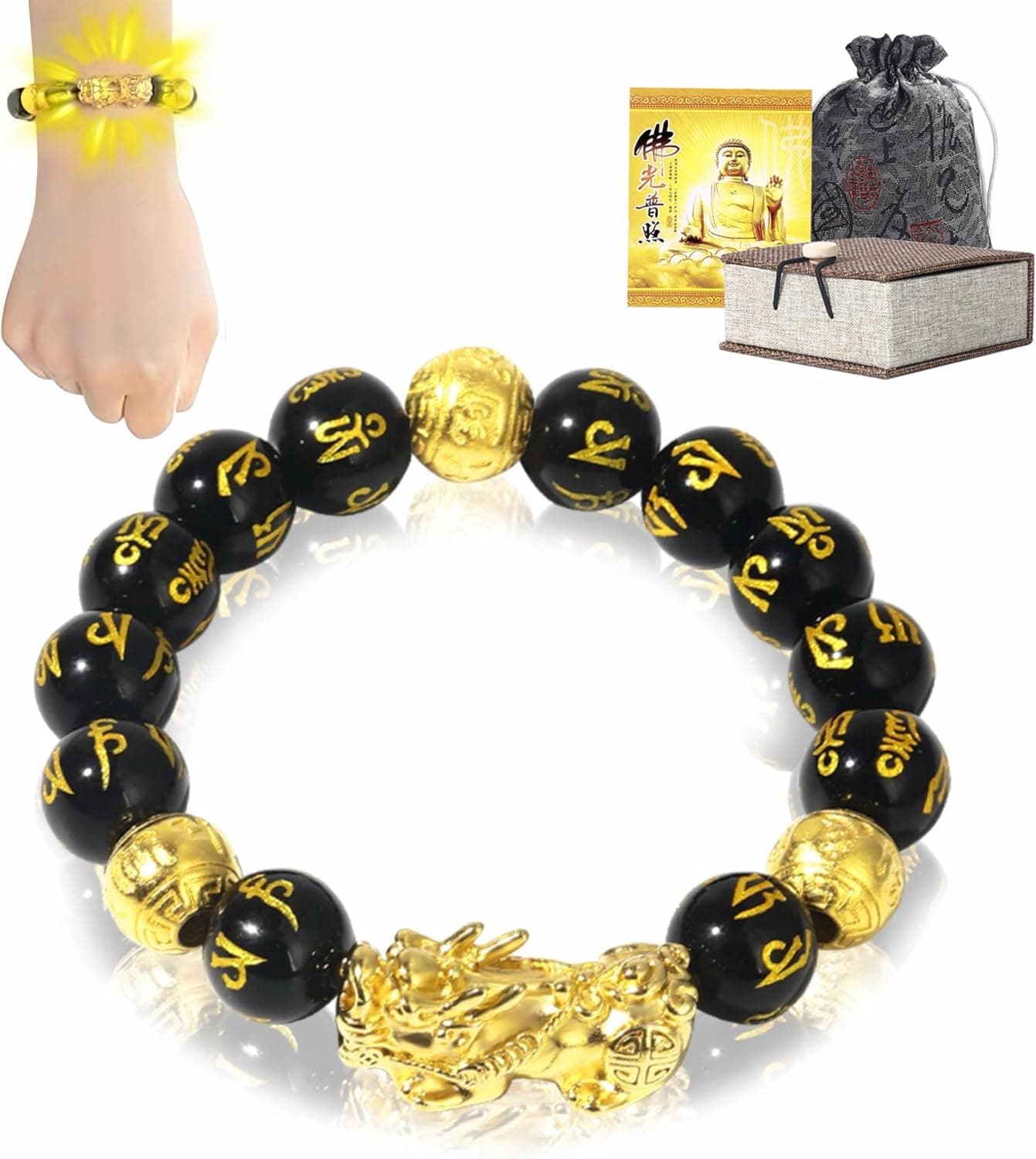
-50%biuufish Feng Shui Black Obsidian Bracelet for Men Women, 24K Gold Plated Pix...
As an Amazon Associate, we earn from qualifying purchases. We only recommend items our practitioners have personally tested.
Continue Your Journey
Explore these related guides to deepen your understanding:
Ready for Deeper Guidance?
Try our free I Ching reading for personalized wisdom, or explore our curated Feng Shui essentials.